
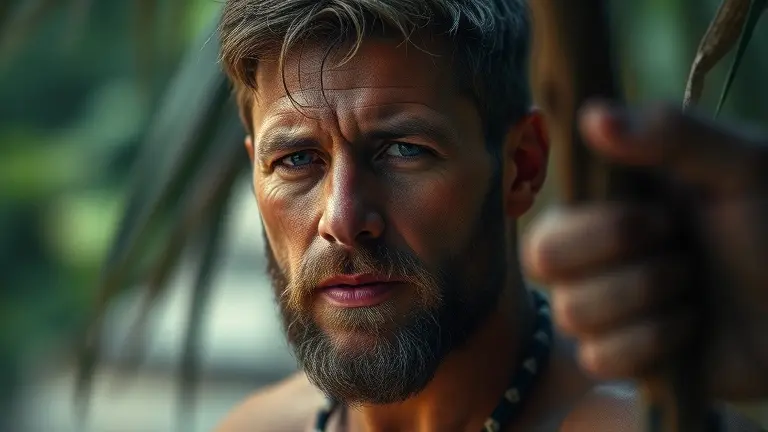
When the dust settled on the Survivor 50 finale on May 20, 2026, the crowning of Aubry Bracco as the Sole Survivor dominated the headlines, but it was Joe Hunter’s runner-up finish that truly ignited the post-game discourse. Hunter’s journey throughout the season was defined by a rare duality: a sharp, calculated strategic mind contrasted with a surprisingly honorable gameplay style—most notably seen in his pivotal decision to assist Rizo Velovic during the game’s final, grueling hours. This act of altruism, while lauded by many fans, has sparked a firestorm of analytical debate regarding whether his ‘pro-social’ approach was the ultimate strategic mistake or the hallmark of a legacy player who prioritized integrity over a conventional path to victory.
As we peel back the layers of Hunter’s performance in season 50, contrasting it against his high-stakes run in season 48, it becomes clear that his game was one of immense cognitive pressure and rapid-fire decision-making. Navigating the treacherous jury management and the psychological exhaustion of the island requires a level of mental acuity that few possess. But beyond the edit and the strategy, what can we learn from Hunter’s ability to remain calm under the immense weight of the spotlight? Understanding the mechanics of his focus reveals the intersection where high-performance strategy meets the necessity of sustained mental clarity.
The Survivor 50 Finale: Breaking Down Joe Hunter’s Runner-Up Journey

The Survivor 50 finale, which aired on May 20, 2026, served as a landmark conclusion to the show’s milestone season, culminating in a tense final tribal council. While Aubry Bracco ultimately secured the win and the title of Sole Survivor, the narrative surrounding the finale was heavily defined by the performance of Joe Hunter. Despite falling short of the top spot, Hunter’s strategic path to the final three solidified his reputation as one of the most compelling players of the modern era. His journey was characterized by a balance of calculated gameplay and a surprising display of altruism that deeply resonated with the viewing audience.
A central point of discussion among fans and critics was Hunter’s pivotal decision to assist fellow finalist Rizo Velovic during the final stages of the competition. This moment of grace, while arguably detrimental to his own win probability, became the defining highlight of his character arc. In post-finale interviews with major outlets like Parade and Reality Tea, Joe Hunter candidly admitted that he realized he had lost the jury vote long before the final ballots were read. Reflecting on his runner-up finish, he noted that his choice to help a competitor was a conscious decision to prioritize his personal integrity over a “cutthroat” victory.
Analyzing Hunter’s Legacy and Jury Management
The reaction to Hunter’s placement has been overwhelmingly positive, with social media sentiment praising his honest gameplay. To understand why he finished as the runner-up, it is helpful to break down the key factors of his performance:
- Pro-Social Strategy: His willingness to aid Rizo Velovic shifted the narrative from purely competitive to character-driven, earning him significant fan admiration.
- Jury Management Realities: Hunter’s post-game commentary suggests that while he maintained strong relationships, his social game lacked the specific leverage required to sway the final votes in his favor against a formidable opponent like Bracco.
- Evolution of Gameplay: By comparing his 4th place finish in Season 48 to this runner-up placement, experts observe a marked improvement in his endurance and social adaptability.
Ultimately, Joe Hunter leaves a complex legacy behind. He proved that high-level strategy and moral consistency can coexist, even if they do not always result in a million-dollar check. His participation in Survivor 50 remains a masterclass in how to navigate the social minefield of the game while maintaining one’s identity.
The ‘Rizo Factor’: Was Helping an Opponent the Ultimate Strategic Mistake?

In the high-stakes environment of Survivor 50, Joe Hunter made a choice during the late-game that has sparked intense debate among the show’s dedicated fanbase. By assisting fellow finalist Rizo Velovic during a crucial challenge, Hunter displayed a level of sportsmanship rarely seen in the modern, cutthroat era of the game. While this act of kindness resonated deeply with viewers, many analysts argue that it served as the defining strategic error that ultimately cost him the jury’s favor. By prioritizing pro-social gameplay over the ruthless efficiency required to secure a million-dollar prize, Hunter provided his opponents with the ammunition needed to paint him as a player who lacked the “killer instinct” necessary to claim the title of Sole Survivor.
Strategic Consequences of Pro-Social Gameplay
The “Rizo Factor” highlights a growing tension in Survivor between fostering genuine human connections and maintaining the cold detachment required for dominance. Evidence from Hunter’s exit interviews suggests he was aware of the optics at the time, yet he chose to prioritize integrity over a more cynical path. The implications of this decision on the jury’s decision-making process were significant:
- Perception of Weakness: Some jury members viewed the assistance as a lack of competitive drive, suggesting that if Hunter wasn’t willing to crush his competition, he didn’t deserve to win.
- Legacy vs. Prize: While Hunter may have lost the game, he successfully cultivated a legacy as one of the most honorable contestants in the show’s history.
- The Jury Management Gap: By helping Velovic, Hunter inadvertently shifted the focus away from his own strong strategic résumé, allowing eventual winner Aubry Bracco to capitalize on the narrative of being the sole survivor who played without compromise.
Ultimately, Hunter’s choice underscores a fundamental dilemma: in the modern Survivor landscape, is it better to be respected for your character or feared for your strategy? While Hunter fell short of the million-dollar check, his decision ensures he remains a focal point in the history of Survivor 50, raising questions about whether the game should prioritize the “best” player or the most well-rounded human being.
Analyzing Joe Hunter’s Legacy: Consistency vs. Killer Instinct
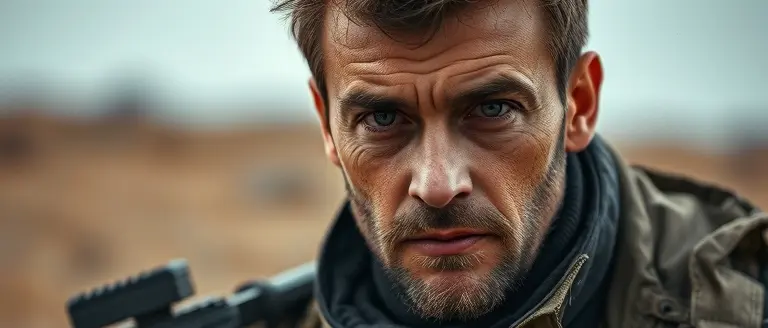
Joe Hunter has solidified his status as one of the most consistent players in modern Survivor history. By following up his impressive fourth-place finish in Season 48 with a runner-up performance in Survivor 50, Hunter has demonstrated a rare ability to navigate complex social structures deep into the endgame. However, his journey also highlights a persistent friction between his honorable, pro-social gameplay and the cutthroat requirements often favored by the jury. While his decision to assist Rizo Velovic during the final stages of the game earned him widespread fan acclaim and cemented his reputation as a high-integrity player, it also served as a focal point for critics who argue that his lack of “killer instinct” may be the exact ceiling preventing him from winning the grand prize.
The Evolution of the “Honest” Survivor Archetype
Hunter’s gameplay forces a critical discussion about whether the modern game has moved beyond the era of the “nice guy” winner. Throughout his two seasons, he has consistently prioritized transparency, which makes for compelling television but often fails to impress juries looking for evidence of ruthless manipulation. His performance suggests that while he is a master of threat management, he lacks the predatory edge required to isolate rivals when it matters most.
- Strategic Consistency: Hunter’s ability to survive back-to-back deep runs indicates a deep understanding of social dynamics and threat mitigation.
- The Jury Paradox: His gameplay creates a “pro-social” legacy that earns him respect but often fails to translate into the specific strategic “resume” required to secure final jury votes.
- The Rizo Moment: His choice to help a fellow competitor at the expense of his own game position reflects a moral compass that may be inherently incompatible with the Sole Survivor title in a high-stakes finale.
Ultimately, Joe Hunter’s legacy is that of a “fan-favorite runner-up.” While he may not possess the ruthless strategic resume of a traditional winner, his repeated success suggests that he is one of the most reliable and socially intelligent players to ever hit the beach. Whether he can pivot to a more aggressive style in future appearances remains the ultimate question for his potential legacy.
The Jury’s Verdict: Why Transparency Struggled in Survivor 50

The Survivor 50 finale left many viewers questioning the disconnect between Joe Hunter’s honorable gameplay and the final jury vote. While Hunter was widely praised for his pro-social strategy—most notably his pivotal decision to assist fellow finalist Rizo Velovic during the endgame—this transparency ultimately failed to sway the jury. In a game that has historically rewarded cold-blooded blindsides and aggressive resume-building, Hunter’s choice to prioritize integrity over cutthroat maneuvers created a narrative gap that winner Aubry Bracco successfully exploited. Evidence from his post-game interviews suggests that Hunter was acutely aware of this shift; he recognized mid-finale that his ethical approach was being perceived by the jury as a lack of strategic teeth compared to Bracco’s more traditional aggressive path.
The Evolving Meta: Ethics vs. Strategy
The outcome serves as a case study in how the Survivor “meta” is evolving to prioritize perceived agency over cooperative play. Modern juries are increasingly looking for a specific type of dominance, one that often minimizes altruism in favor of narrative control. Key takeaways from this dynamic include:
- The Transparency Tax: By openly helping competitors, Joe Hunter signaled a lack of “killer instinct” that a jury, looking to justify their own votes, interpreted as a weaker strategic position.
- Narrative Control: Aubry Bracco succeeded by framing her game around control, whereas Hunter’s narrative remained anchored in his personal character, which the jury eventually viewed as secondary to objective gameplay milestones.
- Jury Management: Hunter’s legacy as a runner-up highlights the inherent danger in being the “nice guy” in an era where jury members often vote based on who played the “hardest” game rather than the “best” game.
Ultimately, Hunter’s experience demonstrates that while pro-social gameplay earns high marks from the viewing audience, it creates a steep uphill battle in the final tribal council. Future players must now reconcile the desire to maintain their integrity with the stark reality that, in the high-stakes environment of Survivor 50, transparency can inadvertently function as a liability rather than an asset.
Sharpen Your Competitive Edge
Joe Hunter’s runner-up finish serves as a profound case study in the importance of maintaining mental clarity when the stakes are at their absolute peak. Whether you are navigating the complex social dynamics of a reality show or managing the high-pressure demands of your daily career, the ability to avoid decision fatigue and maintain a razor-sharp focus is what separates the contenders from the champions. Strategy is not just about the moves you make; it is about the sustained cognitive stamina required to execute those moves without succumbing to the mental fog that inevitably follows long-term stress.
Just as Joe Hunter needed to maintain peak mental acuity to navigate complex jury dynamics, today’s high-achievers need the right tools to sustain focus and avoid decision fatigue. This is exactly where The Brain Song becomes an essential component of your performance toolkit. By leveraging neuroscience-based principles, this program helps you clear the mental clutter, sharpen your decision-making processes, and sustain the cognitive energy needed to dominate in any competitive environment you face.
Don’t leave your success to chance. Much like a master strategist planning their next move, you can optimize your mind to ensure you are operating at your absolute best every single day. Master your own game and sharpen your mental edge; click here to try the 12-minute daily routine that keeps your focus at a competitive level.
 Master your own game and sharpen your mental edge; click here to try the 12-minute daily routine that keeps your focus at a competitive level.Transform My Focus Now!