
Connections hint today: If you found yourself staring at words like ‘shoofly’, ‘pecan’, and ‘pumpkin’ in NYT Connections #1075, you aren’t alone. These delicious entries in the ‘Kinds of Pies’ category are classic examples of how the New York Times craftily leads players down the wrong path. While it is tempting to look for a quick list of answers to maintain your win streak, the true joy—and challenge—of this game lies in training your mind to recognize these tricky semantic associations on your own.
In this guide, we go beyond simple spoilers. We break down the logical architecture of today’s puzzle, explaining the ‘why’ behind the categories so you can better navigate future sessions. Whether you were stumped by the red herrings or just needed a nudge in the right direction, developing your pattern recognition muscle is the ultimate goal. Let’s sharpen your strategy and turn those moments of confusion into a clear, winning streak.
NYT Connections Hint for May 21, 2026 (Puzzle #1075)

If you are currently staring at your screen feeling stuck on today’s NYT Connections puzzle, you are certainly not alone. Players navigating the May 21, 2026, release of puzzle #1075 have reported a particularly high level of difficulty, specifically regarding the “Yellow” category. Maintaining a daily win streak in this popular word game requires a blend of sharp linguistic recognition and tactical patience, especially when the game introduces clever “red herrings” designed to lead you astray. This guide is crafted to offer essential connections hints today that provide just enough guidance to nudge you toward the correct solution without spoiling the entire board prematurely.
Navigating the Tricky Categories of Puzzle #1075
When approaching this grid, it is vital to acknowledge the trap set by the game designers. Many players have noted that the sheer volume of overlapping terms creates a “brutal” experience, particularly when items like shoofly, pecan, and pumpkin are presented alongside other common food-related words. Because these specific terms are traditionally associated with dessert, the brain naturally gravitates toward grouping them immediately. However, the game thrives on these associations, often masking the true, more specific category—”Kinds of Pies”—behind a cloud of potential misdirection.
To boost your performance and avoid losing your streak, consider these strategic approaches:
- Identify the “Yellow” category first: Look specifically for shoofly, pecan, pumpkin, and chess. These four terms form the “Kinds of Pies” grouping.
- Avoid the Red Herrings: Be cautious of words that seem to fit multiple categories. The game often uses synonyms or common prefixes to distract from the actual logic.
- Analyze the word count: If you have more than four items that seem to fit a theme, look for the outlier that belongs in a more obscure category.
- Leverage LSI terms: When searching for connections nyt guidance, look for breakdowns that explain the “why” rather than just providing an answer key, as understanding the pattern will help you solve future puzzles faster.
By focusing on these patterns, you can effectively navigate the complexities of NYT Connections and ensure your analytical skills keep pace with the game’s increasing difficulty. If you have exhausted all your guesses and still find yourself blocked, the following sections will provide the direct reveal to keep your progress on track.
Hints for Today’s Connections Categories
If you are looking for connections hint today to keep your win streak alive, you are not alone. Navigating the NYT Connections board often requires identifying subtle associations that are specifically designed to trip up players with overlapping concepts. For the puzzle released on May 21, 2026, the grid is particularly deceptive, featuring several “red herrings” that could easily lead you down the wrong path if you jump to conclusions too quickly. Before checking the final answers, consider the thematic nature of these categories to refine your strategy.
Deciphering the Thematic Groups
To solve the puzzle, categorize the words by their functional or contextual similarities. Evidence from community discussions on platforms like Reddit suggests that players often struggle when words seem to fit multiple categories simultaneously. Use these clues to narrow down your choices:
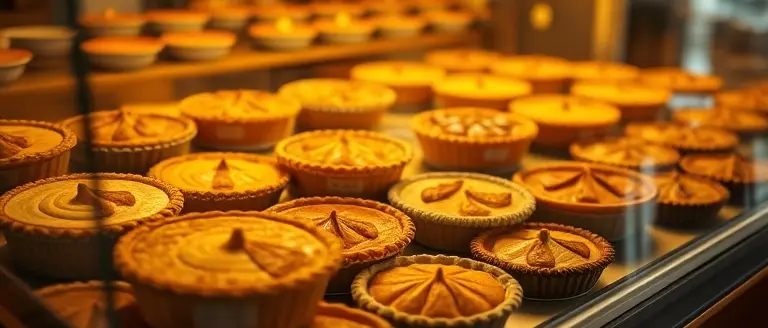
- Yellow Category (The “Food” Group): This group involves various types of baked desserts. If you find yourself looking at words like shoofly, pecan, and pumpkin, you are likely identifying a classic set of American pie varieties. Look for the final member of this quartet that completes the culinary theme.
- Logical Associations: Think beyond literal meanings. Some categories rely on secondary definitions or common linguistic phrases. If a word seems to fit two groups—such as a type of pie and a flavor—examine the remaining words to see which category lacks a clear fourth member.
- Strategic Caution: Be wary of broad categories. Just because a word might be associated with a specific hobby or theme does not mean it belongs there. Always test if all four items in a potential group share a specific, narrow trait before committing your guesses.
By focusing on these patterns, you can effectively manage the connections nyt puzzle without resorting to brute-force guessing. Remember, the goal is to isolate the specific logic governing each of the four colored categories. If you remain stuck, re-evaluating the “Kinds of Pies” group—specifically how shoofly, pecan, and pumpkin relate to other remaining options—is the best way to secure your victory today.
Revealing the Connections #1075 Answers

If you have exhausted your attempts and need to maintain your win streak, here is the complete breakdown for NYT Connections #1075. Players often struggle when the game includes “red herrings”—words that could fit into multiple categories, such as the numerous pastry-related terms present in today’s grid. While connections hints today generally suggest looking for common patterns first, sometimes the vocabulary is designed to overlap, making the logic difficult to isolate without a clear view of the final groups.
The Full Solution for May 21, 2026
To solve today’s puzzle effectively, you must categorize the sixteen words into their four distinct groups. The most discussed category among the community was the “Kinds of Pies” grouping, which successfully stumped many users who were trying to sort between various sweet treats. Below are the verified solutions for connections nyt #1075:
- KINDS OF PIES (Yellow): CHESS, PECAN, PUMPKIN, SHOOFLY. As expected by many enthusiasts of shoofly pecan pumpkin nyt trends, identifying this group early is vital to clearing the board.
- SYNONYMS FOR FAST (Green): DASH, FLY, RACE, RUSH. These terms share a common definition related to speed and movement.
- WORDS WITH DOUBLE LETTERS (Blue): BOOT, COOK, FOOT, LOOK. These entries follow a specific structural pattern often found in more challenging grid layouts.
- WORDS ENDING IN FRUIT (Purple): BANANA, CHERRY, MANGO, MELON. These words all terminate with the names of common fruits, a classic linguistic trick in the nyt connections format.
By reviewing these groups, you can better understand the logic the developers employed for this specific day. If you found “Kinds of Pies” difficult, it was likely due to the inclusion of words like “moon” or “peach,” which were deliberately placed to force incorrect guesses. Recognizing these patterns is the key to improving your daily performance and mastering the nuance of these complex word associations.
How to Master the NYT Connections Game

Mastering nyt connections requires more than just general knowledge; it demands a strategic approach to pattern recognition and logical deduction. The game frequently employs “red herrings”—words that seem to fit multiple categories to distract you from the intended solution. For instance, in puzzles like the one featuring shoofly, pecan, pumpkin, and chess, players often struggle because these terms could easily overlap with other food-related themes. To avoid falling into these traps, assess your grid for structural anomalies rather than just semantic ones. If you find a word that appears to bridge two potential categories, hold off on finalizing your guess until you have verified the internal consistency of the remaining tiles.
To improve your independent solving skills and keep your daily win streak alive, integrate these tactical habits into your routine:
Strategic Tips for Success
- Analyze Word Morphology: Examine the grid for shared prefixes, suffixes, or hidden letter strings that might define a category, even if the primary meanings seem unrelated.
- Identify Red Herrings Early: If you notice five or more items that seemingly belong to a single category (like various types of pies), stop. The game is likely testing your ability to distinguish between “distractor” items and the specific set of four that share a narrower, more nuanced definition.
- Check Grammatical Consistency: Ensure that all four words in a selection are the same part of speech—all nouns, all verbs, or all adjectives. This is a common, subtle indicator of a correct grouping.
- Prioritize the Grid Layout: Sometimes the placement of words is deliberate. If you are searching for connections hints today and feel stuck, step back and look for words that share a common synonym or phrase context, such as words that all follow “apple” or precede “pie.”
By shifting your focus from quick answers to logical elimination, you can navigate even the most complex daily challenges. Mastering the nuances of connections nyt puzzles is about training your brain to see past the obvious bait, ensuring that your logic is as robust as the categories themselves. If you are consistently checking for shoofly pecan pumpkin nyt trends or similar puzzles, practicing these deductive methods will significantly reduce your reliance on external assistance.
Master the Patterns Behind the Puzzle
Solving NYT Connections #1075 is more than just knowing what a chess or shoofly pie is; it is about mastering the art of cognitive association. When you learn to identify the red herrings—like the common culinary terms that distract from the true category—you stop relying on luck and start building the logical foundation required for a consistent win streak. The satisfaction of decoding a tricky group comes from your brain’s ability to swiftly process and connect disparate pieces of information.
However, even the sharpest minds face mental fatigue when patterns refuse to emerge. While today’s hints helped you bridge the gap, the real secret to dominating these daily challenges lies in optimizing your mental performance before you even open the game. You don’t need to struggle through ‘brain fog’ to find those elusive links; you can proactively sharpen your focus and enhance your pattern recognition skills.
By integrating a proven cognitive catalyst into your morning routine, you prepare your mind to process complex information with unparalleled clarity. This isn’t just about winning a game—it’s about training your brain to thrive under pressure, ensuring that your cognitive edge remains as sharp as your competitive spirit. Give yourself the advantage you need to solve puzzles with speed and precision every single day.
 Struggling to spot the connections? Use this 12-minute auditory routine before your next game to unlock sharper cognitive clarity.Unlock My Cognitive Edge Now!