
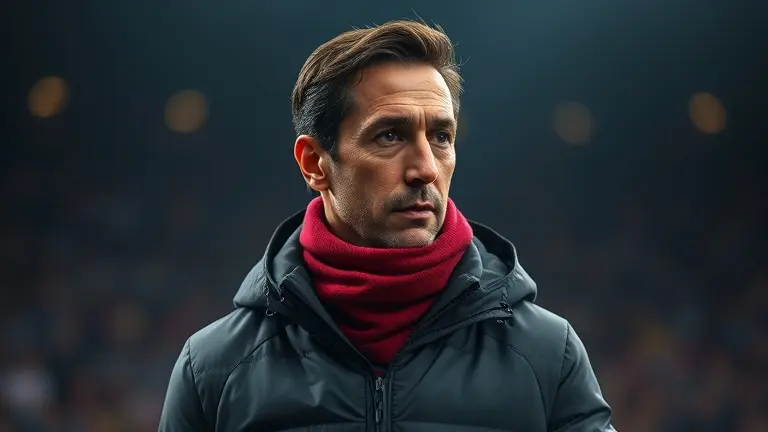
On a historic night in Istanbul, the sound of the final whistle echoed not just across the stadium, but through three decades of longing for Aston Villa fans. With a decisive 3-0 triumph over SC Freiburg, Unai Emery didn’t just capture his fifth UEFA Europa League title; he cemented his status as football’s preeminent architect of victory. This was no fluke or frantic scramble for success; it was a clinical, calculated dissection of an opponent, orchestrated through the relentless precision of Youri Tielemans, the creative flair of Emiliano Buendía, and the intelligent, space-exploiting positioning of Morgan Rogers. By mastering the finer details of the pitch, Emery has officially turned the ‘Emery era’ at Villa Park into a gold standard for European tactical identity.
Yet, the genius of this performance lies hidden in the microscopic adjustments that the average spectator often misses. To truly appreciate this trophy, one must deconstruct the interplay between Buendía’s vision and Rogers’ movement—a synergy built on a foundation of rigorous preparation. Just as Emery relies on thousands of potential tactical variations to remain ahead of the curve, the pursuit of mastery in any discipline requires a shift away from guesswork and toward an unwavering commitment to a proven, structural blueprint.
The Master of Europe: Unai Emery’s Historic Triumph in Istanbul
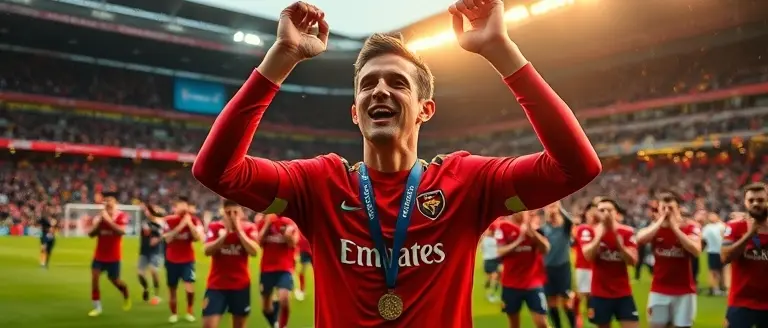
On May 20, 2026, the footballing landscape shifted as Unai Emery cemented his status as the undisputed tactical architect of European competition. In a clinical display of high-level management, Aston Villa dismantled SC Freiburg with a commanding 3-0 victory in the UEFA Europa League final in Istanbul. This historic result serves as a watershed moment for the club, effectively ending a 30-year trophy drought and announcing Villa’s return to the pinnacle of continental football. For Emery, the triumph represents a record-breaking fifth Europa League title, further solidifying the narrative that he is the undisputed “specialist” when it comes to navigating the rigors of mid-week European fixtures.
Key Catalysts for the Victory
The match was defined by a coherent, aggressive tactical approach that stifled Freiburg’s rhythm while maximizing the creative output of the Villa squad. Emery’s selection paid dividends, with three distinct moments of brilliance securing the silverware:
- Youri Tielemans: Orchestrated the midfield tempo, providing the defensive stability and progressive passing required to transition from defense to attack seamlessly.
- Emiliano Buendia: Operated with exceptional spatial awareness, effectively drifting between the lines to disrupt the Freiburg defensive structure and finding the back of the net to widen the lead.
- Morgan Rogers: Showcased his burgeoning talent with a clinical finish and tireless movement, proving to be the ultimate wildcard in Emery’s offensive blueprint.
The victory in Istanbul is more than just a single trophy; it is a testament to the cultural and tactical evolution overseen by Unai Emery. By integrating playmakers like Buendia and high-intensity players like Morgan Rogers into a cohesive system, Emery has provided a clear blueprint for sustainable European success. As Villa supporters celebrate this long-awaited honor, the football world is left to marvel at a manager who continues to redefine the standards of tactical preparation and European consistency.
Frame-by-Frame: Analyzing the Tactical Brilliance of the Second and Third Goals

The tactical masterclass delivered by Unai Emery in the Europa League final was perfectly encapsulated by the clinical nature of the second and third goals. These moments were not merely instances of individual brilliance but the result of a highly disciplined “Emeryball” structure designed to exploit space against a rigid Freiburg block.
The Buendía Breakthrough: Exploiting the Half-Space
The second goal, finished by Emiliano Buendía, highlighted the intricate positional play Emery demands from his attacking midfielders. As the play developed, Buendía occupied the “half-space”—the area between the opposition’s center-back and full-back—forcing the Freiburg defensive line to compress. By dragging his marker inward, he created the necessary lateral channel for the overlapping run. The passing sequence was rapid, characterized by a one-touch transition that bypassed the midfield press entirely. Buendía’s clinical finish wasn’t just about his shot accuracy; it was the culmination of his intelligent movement that kept the defenders in a constant state of uncertainty, effectively breaking the defensive structure before the ball even reached his feet.
The Rogers Finish: High-Press and Verticality
Morgan Rogers provided the final blow, illustrating the lethal efficiency of Emery’s high-press philosophy. The third goal originated from an aggressive defensive trigger deep in the opposition half. Key tactical elements included:
- Aggressive Man-Marking: Rogers initiated the press, forcing a hurried clearance from the Freiburg goalkeeper.
- Vertical Transition: Upon winning the turnover, the transition from defense to attack was near-instantaneous, preventing the opponent from resetting their defensive shape.
- Clinical Positioning: Rogers exploited the vacated space behind the retreating defense, displaying the composure to finish in a high-pressure environment.
These sequences demonstrate the core tenets of the current Aston Villa identity: quick, purposeful vertical passing and the ability to capitalize on forced errors. By demanding high spatial awareness from players like Buendía and Rogers, Emery has successfully created a sustainable blueprint for European success that relies on tactical intelligence rather than simple physical dominance.
The Emery Blueprint: Tactical Versatility as the Foundation for Success
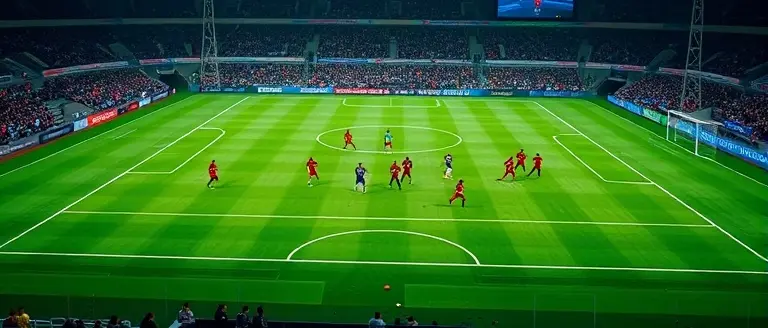
The historic 3-0 triumph over SC Freiburg in the UEFA Europa League final is far from a statistical anomaly; it is the crowning validation of the tactical identity Unai Emery has meticulously constructed at Aston Villa. Central to this success is Emery’s signature adaptability—a high-stakes, high-reward approach that leverages a famously disciplined high defensive line to squeeze opponents, combined with a fluid, interchangeable midfield structure that prioritizes intelligent spatial occupation over rigid positional adherence. This victory underscores his ability to tailor game plans to exploit specific defensive vulnerabilities, a hallmark of his career as the undisputed ‘specialist’ of this competition.
Engineering Victory: The Role of Key Personnel
The tactical masterclass in Istanbul relied heavily on the technical proficiency of Emiliano Buendía and Morgan Rogers, whose roles exemplify the versatility Emery demands from his attacking cohort.
- Emiliano Buendía’s Influence: Operating in the pockets of space between the opposition’s midfield and defensive lines, Buendía acted as the primary creative catalyst, dictating the tempo and threading clinical passes that dismantled Freiburg’s shape.
- Morgan Rogers’ Tactical Positioning: By drifting into wide areas before cutting inside, Rogers provided a constant threat, forcing the Freiburg backline into uncomfortable decision-making moments that eventually led to the team’s decisive breakthroughs.
This win establishes a clear blueprint for European success that the club can replicate. By maintaining a high-press system that transitions instantly into a vertical attacking formation, Emery has ensured that Villa is not just competing in Europe, but dictating terms to opponents. As the ‘Emery era’ moves forward, this commitment to tactical flexibility—shifting effortlessly between possession-based control and lethal counter-attacking efficiency—remains the bedrock of a squad now built to sustain this level of excellence on the continental stage.
The Verdict: Who Was Your Man of the Match?
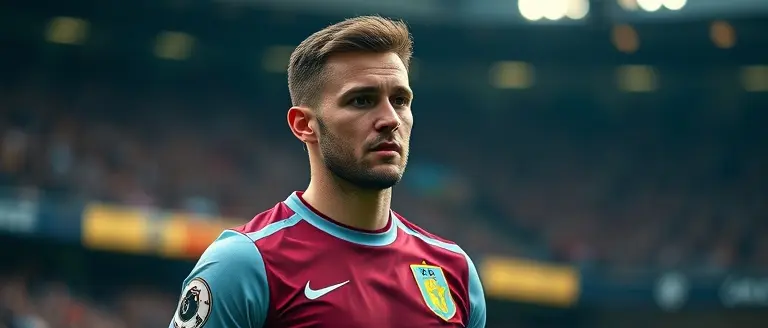
While the headlines rightfully celebrate the attacking masterclass delivered in Istanbul, true tactical appreciation of this historic 3-0 victory requires a closer look at the entire squad. Unai Emery has long preached that his system functions as a collective organism, and the Europa League final served as the ultimate proof of concept. While Emiliano Buendía provided the creative spark and Morgan Rogers showcased clinical efficiency, the foundation of this triumph was built on the tireless work rate of the defensive line and the disciplined transition play of the midfield pivot.
Assessing the Tactical Foundation
To understand the success of this Aston Villa side, one must look beyond the scoresheet. The defensive stability, which effectively silenced SC Freiburg’s late-game pressure, ensured that Emery’s tactical plan never faltered. Consider these pivotal contributors who defined the match’s rhythm:
- Midfield Engine: The screen provided in front of the back four allowed the creative unit to roam freely. Without the disciplined positioning of the holding midfielders, the attacking trio of Tielemans, Buendía, and Rogers would not have found the pockets of space required to dismantle the defense.
- Defensive Resilience: The backline maintained a high-press structure that denied Freiburg any clear sight of goal, forcing long balls that were easily intercepted.
- The Emery Factor: Every substitution was calculated, reinforcing the team’s shape rather than sacrificing control for offensive flair.
Ultimately, the ‘Man of the Match’ debate is a testament to the depth Unai Emery has cultivated at the club. Was it the vision of Emiliano Buendía, the breakthrough performance of Morgan Rogers, or perhaps an unsung hero who tracked back to initiate the counter-attacks? We want to hear from you. Cast your vote in the comments below and tell us which tactical element impressed you most during this landmark European victory.
Mastering the Blueprint of Excellence
The success at Istanbul is a testament to what happens when vision meets meticulous execution. Unai Emery has proven that whether you are managing a squad of elite athletes or pursuing a personal passion, the difference between ‘good’ and ‘great’ is the depth of your planning. The tactical synergy demonstrated by Buendía and Rogers serves as a reminder that every successful outcome is simply the final step in a series of perfectly planned, error-proofed decisions.
Just as Unai Emery proved today that meticulous planning and a rock-solid tactical blueprint are the keys to winning major trophies, you can apply that same ‘architectural’ mindset to your own craft with precision-tested tools. If you are tired of relying on trial-and-error and are ready to adopt a professional-grade framework for your projects, Ted’s Woodworking offers the ultimate collection of project blueprints. This is the definitive tactical handbook for anyone who values structured, high-quality results over amateurish guesswork, providing the comprehensive foundation necessary to move from mere inspiration to a masterfully finished result.
By integrating the same methodical discipline that delivered silverware to Villa Park, you ensure that your own work stands the test of time. Don’t leave your legacy to chance; build with the confidence of a champion.
 Build your own legacy with the same tactical certainty that brought the trophy home to Villa Park; explore the ultimate collection of project blueprints here.Transform My Projects Today!