
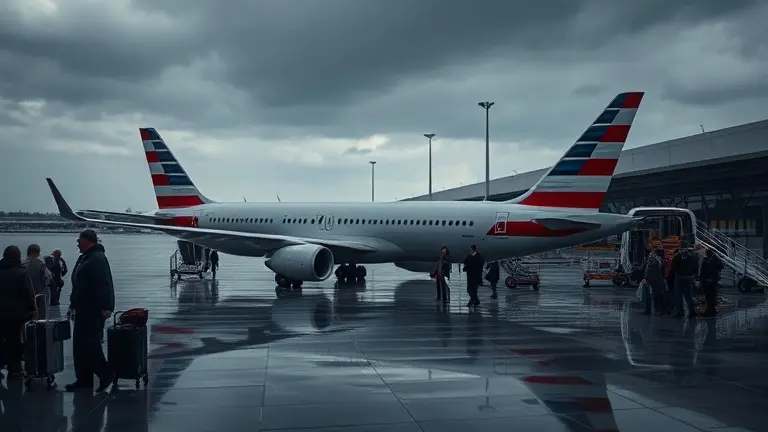
When the Federal Aviation Administration issued a mandatory ground stop at Dallas-Fort Worth International Airport (DFW) on May 19-20, 2026, the resulting paralysis was felt far beyond the North Texas plains. As severe thunderstorms grounded American Airlines flights, thousands of passengers found themselves trapped in a ripple effect of cancellations and long-haul uncertainty just days before the Memorial Day rush. This wasn’t just a weather event; it was a stark reminder of how fragile our national aviation infrastructure remains, even as DFW prepares for massive upgrades ahead of the 2026 FIFA World Cup.
For the traveler, the frustration of these recurring delays goes deeper than a missed connection. It is the overwhelming mental fatigue of navigating complex airline apps, deciphering cryptic status updates, and waiting in endless queues while the stress of uncertainty mounts. Whether you are currently caught in a DFW disruption or planning your next major holiday flight, understanding the mechanics of these events—and how to preserve your own cognitive resilience—is now an essential part of modern air travel.
The May 2026 DFW Ground Stop: Understanding the Disruption
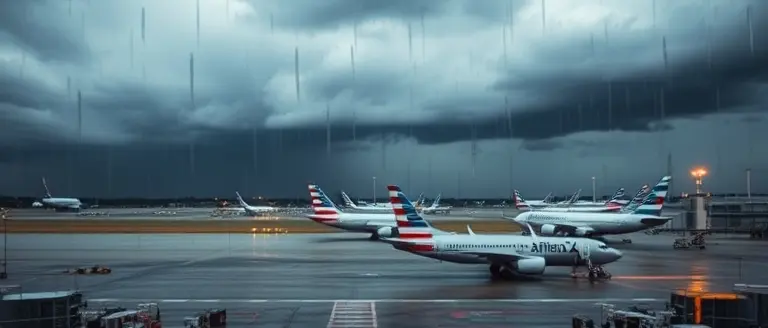
On May 19-20, 2026, the aviation landscape in North Texas faced a significant setback as severe thunderstorms swept across the region, necessitating a mandatory FAA ground stop at the Dallas-Fort Worth International Airport (DFW). This meteorological event paralyzed both inbound and outbound traffic, creating a severe bottleneck within the national airspace system. Because DFW serves as the primary hub for American Airlines, the logistical impact was compounded, leading to the immediate grounding of a vast percentage of the carrier’s fleet. Reports from industry monitors confirmed that this event resulted in over 500 flight cancellations, leaving thousands of passengers stranded and prompting a chaotic scramble for rebooking and accommodation.
The Ripple Effect of Hub Disruption
The timing of this disruption was particularly detrimental, occurring just days before the highly anticipated Memorial Day holiday weekend. As one of the busiest travel periods in the United States, the DFW ground stop caused a systemic ripple effect, causing downstream delays that extended far beyond Texas state lines. The operational strain on American Airlines was acute, as the airline attempted to reposition crews and aircraft across its domestic network while simultaneously battling unpredictable weather patterns that persisted into Wednesday, May 20.
Key factors contributing to the severity of the incident included:
- Operational Concentration: American Airlines relies heavily on DFW for its connecting traffic, meaning localized weather instantly becomes a national connectivity issue.
- Infrastructure Stress: The intensity of the storm system challenged existing traffic management protocols, requiring the FAA to implement strict ground movement restrictions.
- Holiday Surge: Increased passenger loads made it exceptionally difficult for the airline to absorb the capacity loss, as replacement flights were already operating at near-full occupancy.
This event has reignited conversations regarding the necessity for enhanced storm-resilience planning at major hubs. For travelers, the May 2026 disruption serves as a stark reminder of how quickly regional weather events can dismantle complex flight schedules, especially during high-demand holiday windows.
The Ripple Effect: How DFW Disruptions Paralize the National Airspace
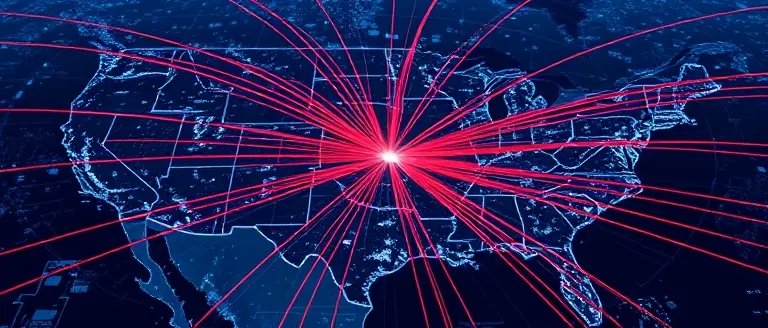
When the FAA issues a mandatory American Airlines DFW ground stop, the consequences extend far beyond the runways in North Texas. Because Dallas-Fort Worth serves as one of the largest and most critical hubs in the United States national aviation network, a total freeze on operations triggers a chaotic, high-stakes domino effect. The hub-and-spoke model, which allows airlines to efficiently funnel passengers through central points, becomes a significant liability during severe weather events. When DFW stalls, the entire domestic system experiences a structural imbalance that can take days to resolve.
Vulnerabilities in the Hub-and-Spoke System
The vulnerability of this model is best understood through the rapid displacement of both flight crews and aircraft. When planes are grounded at a primary hub, they cannot depart for their next scheduled destinations. This creates a bottleneck that forces a cascade of systemic failures:
- Crew Displacement: Federal flight time regulations are strict; when an American Airlines crew is stuck on the ground at DFW, they eventually “time out,” meaning they are legally barred from completing their subsequent shifts. This leaves planes at outstations across the country without pilots or flight attendants.
- Aircraft Misalignment: An aircraft scheduled to depart DFW for Chicago, then on to Seattle, is effectively “trapped” in Texas. This leaves the Seattle outbound flight canceled, stripping capacity from the entire secondary network.
- Downstream Congestion: Even after weather conditions improve, the National Airspace System must manage a massive backlog. Air traffic control faces a “flow control” challenge, where returning to normal capacity is hindered by the sheer volume of delayed aircraft competing for takeoff slots and gate availability.
As evidenced by the events of May 19–20, 2026, the ripple effect is not linear; it is exponential. Every hour of ground stop time results in a multiplying factor of delays for connecting airports. For passengers, this means that even if weather is clear at their departure and arrival cities, the systemic reliance on the DFW hub ensures that the disruption is felt in every corner of the country.
Memorial Day 2026: Traveler’s Emergency Guide for Weather Disruptions

Navigating a major American Airlines DFW ground stop requires immediate action and a clear understanding of airline policies, especially when traveling during peak periods like Memorial Day. When severe thunderstorms trigger an FAA-mandated stoppage, the resulting cascade of flight cancellations can overwhelm airport customer service desks. To regain control of your itinerary, prioritize digital self-service tools over physical queues.
Leveraging the American Airlines App for Rebooking
The most effective strategy during an American Airlines DFW ground stop is utilizing the carrier’s mobile application. The app is frequently updated before airport gate agents can manually process the thousands of passengers affected by large-scale disruptions.
- Self-Rebooking: If your flight is canceled, the app will often trigger a push notification offering rebooking options. Explore these immediately, as seat availability on alternative flights diminishes rapidly.
- Track Connections: Use the “Flight Status” feature to monitor not just your segment, but the incoming status of your aircraft and crew, which provides a better indicator of potential delays than standard boarding times.
- Bag Tracking: During irregular operations, keep a close eye on your checked luggage via the app’s tracking feature to ensure your items are rerouted alongside your new itinerary.
Understanding Your Rights and Next Steps
It is critical to recognize that while a ground stop is an “act of God” or weather-related event—meaning you are not entitled to cash compensation—you still have rights regarding your travel integrity. American Airlines is obligated to rebook you on the next available flight to your destination at no additional cost.
- Request Vouchers: If a delay forces an overnight stay, politely request meal or hotel vouchers at the service desk, though availability is subject to local demand.
- Alternative Airports: If DFW remains stalled, consider asking agents to check flights from nearby hubs or even regional airports to bypass the congestion of the primary North Texas facility.
- Documentation: Keep digital copies of all receipts related to unplanned expenses, as your travel insurance policy may offer reimbursement even if the airline’s liability is limited by weather-related clauses.
Proactive Preparedness: Tools for Real-Time Flight Monitoring

When an American Airlines DFW ground stop is issued due to severe weather, the difference between being stranded and securing a rebooking often lies in your digital readiness. Travelers should move beyond relying solely on airport announcements, which may be delayed during high-traffic disruptions, and instead utilize dedicated tracking tools to anticipate ripple effects in the national airspace. By monitoring real-time data, passengers can gain a competitive edge before the terminal congestion reaches its peak.
Essential Tracking Resources
To navigate the complexities of a major hub disruption, maintain a dashboard of the following three resources:
- American Airlines ‘Flight Status’ Tool: This is your primary resource for real-time itinerary changes. Enable push notifications within the American Airlines mobile app to receive immediate alerts regarding delays, gate changes, and automated rebooking options the moment they are processed by the airline’s operations team.
- DFW Airport ‘MyDFW’ Updates: Use the official MyDFW website or mobile platform for granular detail on ground conditions at the Dallas-Fort Worth facility. This tool provides context on terminal-specific conditions, security wait times, and shuttle statuses that can help you plan your transit if you are already on-site.
- FAA National Airspace System Status: For those attempting to predict the duration of a ground stop, the FAA’s official dashboard is invaluable. It displays current ground delay programs and airport status across the country. If you see the DFW icon turn red, you can anticipate an immediate cascading impact on your flight, allowing you to begin evaluating alternative travel options or reaching out to customer service before phone lines become overwhelmed.
Proactive monitoring is particularly critical during peak travel periods like Memorial Day. By checking these systems frequently—or setting up third-party alerts—you can interpret the early warning signs of weather instability, allowing for informed decision-making before an official cancellation is even announced.
Maintaining Cognitive Clarity Amidst Airport Uncertainty
Navigating a major ground stop requires more than just a backup flight plan; it demands a tactical approach to your own mental well-being. While you are refreshing your American Airlines app for the latest gate changes, the crushing weight of decision fatigue can impair your ability to act quickly and effectively. When the terminal chaos hits, your capacity to stay calm is your greatest strategic advantage.
This is where The Brain Song becomes your essential traveler’s mental toolkit. Designed specifically to combat the fog and anxiety inherent in prolonged travel delays, this 12-minute auditory routine serves as a non-invasive cognitive reset. By integrating these neuroscience-based audio sessions into your travel day, you transform moments of helpless waiting into an opportunity for restorative focus, ensuring you remain sharp, composed, and ready to secure your rebooking the moment an opening appears.
Don’t let the next major airport disruption drain your mental energy or compromise your travel plans. Equip yourself with the focus needed to navigate the unexpected with total composure and clarity, regardless of how long the tarmac keeps you waiting.
 Download the 12-minute audio routine now to stay calm and focused during your next travel delay.Yes, I Want to Stay Sharp and Calm Today!