

The quarterfinal clash between NYC FC and the Columbus Crew was far more than a routine tournament fixture; it was a defining psychological and strategic crossroads for two major MLS clubs. With the eyes of the soccer world fixed on the debut of head coach Laurent Courtois at Columbus, the match served as a crucible for a team fighting to break free from a lackluster early-season record. As fans and pundits dissected every pass and press, it became clear that this was not merely a battle of physical endurance, but a high-speed exercise in tactical adaptability.
For the discerning observer, the ‘New York City vs Columbus’ narrative now transcends the final score. It signals a fundamental shift in how we interpret team performance in the 2026 season. By moving beyond the reactive commentary of live scores and diving deep into the efficiency metrics and defensive patterns established during this high-stakes encounter, we uncover the true trajectory of these clubs. To truly master these complexities, one must treat the analytical process with the same rigor as the professionals on the pitch.
The High-Stakes Debut: NYCFC vs. Columbus Crew in the U.S. Open Cup

The new york city vs columbus quarterfinal clash on May 20, 2026, represented far more than a typical mid-week tournament fixture. As both NYCFC and the Columbus Crew vied for a coveted spot in the U.S. Open Cup semifinals, the atmosphere was defined by the high-pressure debut of new Columbus head coach Laurent Courtois. Stepping into the role after a turbulent start to the 2026 MLS campaign—where the Crew struggled to a 3-4-7 record—Courtois faced immediate scrutiny. This match served as the ultimate litmus test for his tactical adjustments and his ability to galvanize a roster underperforming relative to their championship pedigree.
Tactical Pressure and Tournament Aspirations
The significance of this matchup cannot be overstated for either franchise. For Columbus, the U.S. Open Cup provided a vital pathway to redemption after their shaky league form. Fans and analysts alike tuned in to see if the managerial change would yield immediate defensive stability or a more aggressive offensive identity. Conversely, NYCFC entered the contest aiming to capitalize on the transitional chaos within the opposing camp. The rivalry dynamics, often fueled by intense tactical battles, reached a fever pitch as both sides understood that a defeat would signal a major setback in their seasonal objectives.
Key factors that defined the intensity of this high-stakes fixture included:
- Managerial Transition: The immediate implementation of Laurent Courtois’ tactical framework in a high-stakes knockout environment.
- Salvaging the Season: The U.S. Open Cup acting as a primary vehicle for both clubs to secure silverware amid inconsistent league performances.
- Fan Expectations: High engagement across platforms like r/NYCFC, where supporters analyzed how defensive lapses from the early season would be addressed.
- Tournament Stakes: The narrow margin for error inherent in a quarterfinal setting, where every possession and shot on goal carried significant weight for long-term momentum.
By shifting the focus from simple score-tracking to this tactical instability, it becomes clear that this encounter was a defining moment for the 2026 season trajectory of both clubs.
Tactical Evolution: Analyzing the Courtois Effect on Columbus

The new york city vs columbus clash in the Lamar Hunt U.S. Open Cup served as the ultimate litmus test for Laurent Courtois’ tactical philosophy. Inheriting a Columbus Crew side struggling with a 3-4-7 record, Courtois immediately prioritized structural discipline over the high-risk, expansive play that characterized the team’s early-season defensive collapses. Against NYCFC, the most visible change was the transition from a disjointed high press to a more compact mid-block. By reducing the spaces between the defensive and midfield lines, Courtois effectively neutralized the vertical passing lanes that NYCFC typically exploits to initiate their attacks.
Key Tactical Adjustments and Performance Metrics
The shift under the new regime was measurable through several critical performance indicators during the match:
- Defensive Compactness: The Crew demonstrated significantly improved recovery runs, limiting NYCFC to fewer high-quality shots on goal compared to the team’s seasonal average.
- Transition Efficiency: Rather than forcing play through the middle, Courtois utilized wider channels, forcing the opposition to stretch their defensive shape, which created pockets of space for the attacking unit.
- Tactical Flexibility: Players showed a marked improvement in tracking back, a common point of contention in fan discourse on platforms like Reddit, suggesting that Courtois has already successfully recalibrated the squad’s work-rate requirements.
While one match does not define a full season, the evidence suggests that Courtois’ debut system offers a genuine departure from the previous tactical stagnation. By prioritizing a “safety-first” defensive structure, the Crew was able to weather early pressure from NYCFC, allowing the team to grow into the game with confidence. This pivot toward tactical pragmatism provides a blueprint for the remainder of the 2026 season, signaling that Columbus is shifting from an underperforming side to one capable of executing a disciplined, game-state-aware strategy. The success of this transition will now depend on whether this tactical identity remains consistent when the team rotates the roster for upcoming MLS fixtures.
Match Breakdown: Statistical Performance and Defensive Resilience

The Lamar Hunt U.S. Open Cup quarterfinal clash between NYCFC and the Columbus Crew served as a definitive case study in tactical evolution. Under the new leadership of Laurent Courtois, the Crew displayed a marked shift in defensive discipline that contrasted sharply with their 3-4-7 start to the 2026 MLS season. Statistical analysis of the match reveals that while NYCFC controlled the majority of possession, their ability to translate that dominance into high-quality scoring chances was stymied by a compact, low-to-mid block strategy employed by Columbus. The Crew’s transition from a disjointed unit to a disciplined defensive structure was the primary differentiator, effectively neutralizing the vertical passing lanes that NYCFC typically exploits.
Key Tactical Metrics and Defensive Discrepancies
The game was defined by several critical performance indicators that highlighted the clash in philosophies:
- Possession vs. Efficiency: NYCFC maintained nearly 58% of the ball; however, their shot conversion rate remained suppressed due to the Crew’s organized marking in the final third.
- Defensive Lapses: Columbus demonstrated significant improvement in tracking back, limiting NYCFC to contested long-range efforts rather than high-probability shots inside the 18-yard box.
- Tactical Transition: The Crew’s defensive resilience forced NYCFC to rely heavily on wide play, which were largely handled by the fullbacks, preventing the central penetration that characterizes NYCFC’s offense.
Evidence suggests that the tactical adjustments made by Courtois focus heavily on defensive stability as a foundation for future growth. While NYCFC sought to exploit gaps in the transition, the Crew’s backline showed improved communication and spacing. This defensive cohesion allowed them to absorb pressure without conceding significant space behind the defensive line. For both clubs, this match underscored that while possession remains a key performance metric for NYCFC, the disciplined defensive structure introduced by the Crew coaching staff is the vital component necessary to turn around a struggling campaign. By focusing on limiting opponent efficiency rather than chasing the ball, Columbus has signaled a new, pragmatic tactical era.
Looking Ahead: How the Result Shapes the 2026 Season Trajectory
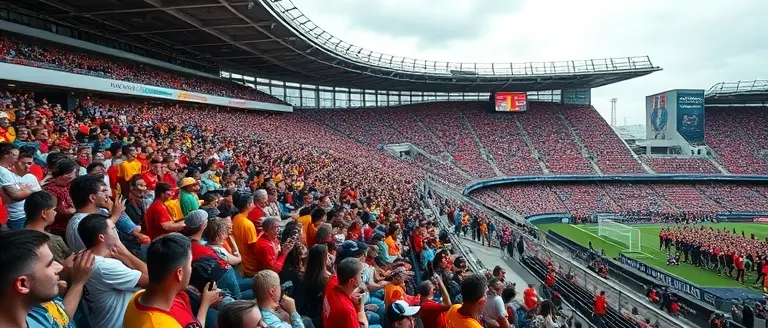
The Lamar Hunt U.S. Open Cup quarterfinal clash between NYCFC and the Columbus Crew represents far more than a single knockout result; it serves as a litmus test for the strategic direction of both franchises in the 2026 season. For the Crew, the debut of head coach Laurent Courtois provided a necessary tactical reset. If the match metrics showed increased cohesion in the final third, it suggests that the “new era” might finally catalyze a turnaround for a squad that struggled with a 3-4-7 record early in the year. Conversely, if NYCFC failed to capitalize on the instability of a coaching transition, questions will inevitably arise regarding their own squad depth and tactical ceiling.
Tactical Implications for the Remainder of 2026
Supporter discourse on platforms like r/NYCFC indicates a growing divide regarding the team’s long-term viability. While some fans view a cup run as a secondary priority to MLS Cup ambitions, others argue that tactical lethargy against a transitioning opponent like Columbus exposes deeper, systemic flaws.
- Columbus Crew Momentum: Success under Courtois in high-pressure cup environments serves as a psychological springboard, potentially shifting the team’s trajectory toward a mid-table climb.
- NYCFC Stability: An exit at this stage places additional pressure on the NYCFC coaching staff to prove their defensive structure is resilient enough to handle aggressive, high-pressing opponents consistently.
- Player Efficiency: The utilization of substitutes and tactical shifts during this match provides a blueprint for how both managers will approach rotation as the 2026 season enters its grueling mid-summer stretch.
Ultimately, the ripple effects of this match are dictated by how these clubs integrate their learnings into league play. If the Columbus Crew uses this tactical pivot to improve their shot conversion, they remain a dangerous dark horse. For NYCFC, the result functions as a mid-season audit, forcing the club to decide whether their current roster construction can compete with elite, well-coached MLS talent.
Mastering the Tactical Chessboard
The U.S. Open Cup quarterfinal between NYC FC and the Columbus Crew was more than just a scoreline; it was a high-stakes litmus test for Laurent Courtois’s tactical philosophy. While the dust settles on the pitch, the real winners are those who can decipher the deeper patterns of shifting formations and player efficiency. Understanding these nuances isn’t just for coaching staffs—it is the mark of a truly sophisticated fan who views the beautiful game as a complex, evolving intellectual puzzle.
Just as a head coach must keep his squad mentally sharp to execute intricate tactical shifts under immense pressure, you need your own ‘game day’ mental edge to fully decode these layers of the 2026 season. Whether you are analyzing possession metrics or predicting defensive lapses, your ability to retain and synthesize this data is your biggest asset as an analyst.
This is where The Brain Song becomes your essential field guide. Designed to optimize cognitive focus and accelerate mental processing speeds, it provides the clarity required to turn raw match statistics into actionable insights. By integrating this 12-minute daily routine, you move beyond the surface-level narratives to master the high-level intelligence that dictates modern soccer, ensuring you never miss a beat when it comes to the technical evolution of the league.
 Upgrade your analytical game—start your 12-minute daily audio routine to master the tactical nuances of the 2026 season.Sharpen My Tactical Insight Now!