
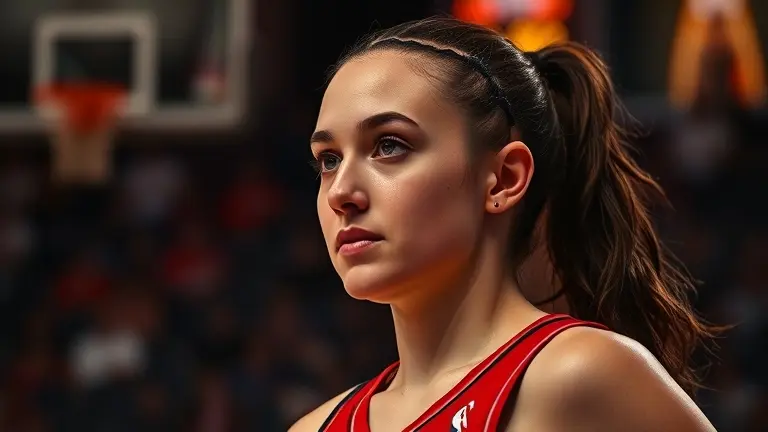
The highly anticipated matchup between the Portland Fire and the Indiana Fever has taken a dramatic, unexpected turn. With Caitlin Clark officially ruled out for the May 20, 2026, clash at Gainbridge Fieldhouse due to a back injury, the narrative has shifted instantly from a celebratory expansion debut to a critical test of depth and strategic adaptability. As fans scramble to find out where to watch the Portland Fire vs Indiana Fever game, the real story lies in how the Fever’s coaching staff manages a rotation missing its cornerstone, and whether the Fire can exploit this vulnerability in their first-ever road environment.
This game is no longer just a marquee attraction; it is a tactical chess match. The Fever WNBA squad now faces the challenge of maintaining offensive rhythm without their primary playmaker, while the Portland Fire must decide how aggressively to press against a shorthanded roster. Understanding the Fever rotation without Clark and analyzing the Portland Fire road game strategy are essential for any fan looking to get past the headlines and truly grasp the evolving dynamics of this 2026 season battle.
The Portland Fire vs. Indiana Fever Matchup: Impact of the Sudden Roster Shake-up
The May 20, 2026, contest at Gainbridge Fieldhouse was circled on calendars across the league as a marquee Fever WNBA event. However, the atmosphere shifted drastically following the announcement that Caitlin Clark has been ruled out due to a back injury. For the Portland Fire, an expansion franchise navigating their inaugural season, this matchup represents more than just a standard road game; it is an unexpected tactical opportunity to test their defensive schemes against a high-profile opponent missing its primary engine. Fans seeking where to watch the Portland Fire vs. Indiana Fever game are now witnessing a high-stakes experiment in team resilience rather than a showcase of the league’s biggest stars.
Testing Depth and Resilience
The sudden absence of Clark necessitates a significant shift in the Fever rotation, forcing coaching staff to redistribute usage rates and playmaking duties. Without their star guard, the Fever must rely on interior presence and perimeter ball movement to compensate for the lost offensive production. This presents a unique challenge for the Portland Fire in their first true road test:
- Defensive Reconfiguration: Portland must capitalize on the lack of floor spacing caused by Clark’s absence.
- Rotation Adjustments: Fever bench players are now under immense pressure to prove their value in expanded roles.
- Pacing Strategy: With the league’s most dynamic scorer sidelined, the tempo of the game is likely to slow, favoring a more methodical approach from both squads.
While the loss of a superstar is a setback for the league’s visibility, it provides an invaluable window into the depth of the Indiana Fever roster. The Portland Fire now face the challenge of adjusting their game plan in real-time, focusing on exploiting the gaps in a fragmented rotation. This game serves as a critical litmus test for both organizations, highlighting the volatility of the 2026 season and the importance of versatile roster construction.
Caitlin Clark Injury Update: What We Know and Expected Recovery

The absence of Caitlin Clark from the lineup during the Portland Fire vs Indiana Fever matchup on May 20, 2026, has sent shockwaves through the WNBA community. According to official reports, the Fever medical staff ruled the superstar guard out shortly before tip-off due to persistent back discomfort. This injury, which began manifesting during the team’s rigorous early-season fever schedule, necessitated a cautious medical approach to prevent long-term complications. By opting to sideline Clark, the organization is prioritizing her structural health over the immediate results of a single road game, signaling that they view this as a day-to-day management issue rather than a season-ending scenario.
Managing the Fever Rotation Without Clark
The medical staff’s decision to rest Clark places significant pressure on the Fever WNBA coaching staff to recalibrate their offensive identity. Without their primary playmaker, the rotation must shift toward a more perimeter-balanced attack, relying on veteran leadership to dictate the pace against a hungry Portland Fire squad. Analysts suggest that the recovery process will involve intensive physical therapy and targeted load management. Key factors determining her return timeline include:
- Symptom Resolution: Evaluating the reduction of inflammatory markers and pain response during dynamic movement.
- Activity Progression: A transition from non-contact shooting drills to full-speed, high-intensity team practice.
- Medical Clearance: A final assessment by the training staff to ensure the back injury does not impact her biomechanics or shooting form.
While the Caitlin Clark injury update remains fluid, the team’s objective is to ensure she is fully conditioned before returning to high-stakes court action. Fans looking for where to watch her return should monitor official team injury reports, as the Fever aim to avoid rushing a premature comeback that could exacerbate the injury during a congested stretch of the season.
Adjusting the Fever Rotation: Depth Chart Analysis Without Clark
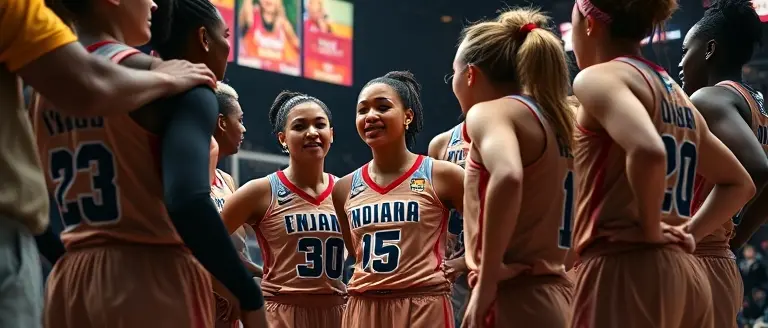
The unexpected absence of Caitlin Clark due to a back injury has forced the Indiana Fever coaching staff to undergo a rapid tactical overhaul. With the superstar guard sidelined, the primary challenge for the Fever is maintaining offensive fluidity and perimeter spacing. The Fever rotation must now shift toward a more balanced, committee-based approach that emphasizes ball movement over individual shot creation. Evidence suggests the team will rely heavily on veteran leadership to stabilize the backcourt and minimize turnovers against a high-pressure defensive unit like the Portland Fire.
Tactical Shifts and Bench Expectations
In the absence of Clark’s elite playmaking, the team’s offensive strategy will likely pivot toward interior scoring and high-screen actions to exploit defensive gaps. Fans looking for where to watch the tactical response will notice a distinct increase in minutes for the Fever’s secondary rotation players. Key adjustments include:
- Elevated Roles: Reserve guards are expected to absorb increased ball-handling duties, moving away from a high-usage solo playmaker to a system that prioritizes quick passes.
- Offensive Spacing: To compensate for the loss of Clark’s gravity, the coaching staff may utilize more staggered screens, forcing the Portland Fire to make difficult switches on the perimeter.
- Defensive Focus: Since the Portland Fire are playing in their inaugural road game, the Fever will likely implement a more conservative, zone-heavy defensive look to mitigate the risks associated with an untested backcourt rotation.
The Portland Fire enter this matchup with a unique opportunity to capitalize on the Fever’s defensive vulnerabilities. By pressuring the Indiana perimeter, the expansion squad can disrupt the rhythm of a team still adjusting to life without their focal point. While the Fever WNBA depth chart is tested by this sudden injury, the game serves as a pivotal assessment of the team’s long-term resilience and tactical versatility in a high-stakes environment.
Portland Fire Road Strategy: Capitalizing on the Defensive Opportunity
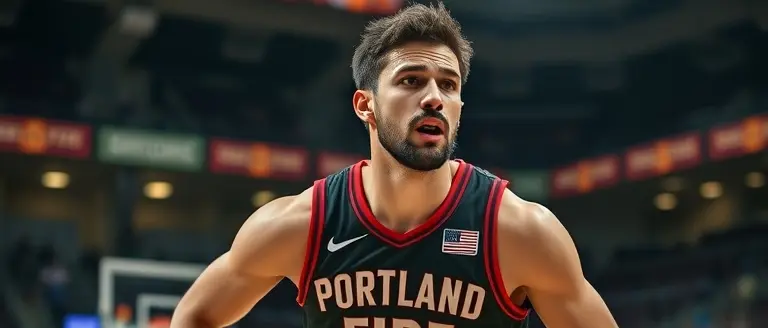
Entering their first major road contest against the Indiana Fever, the Portland Fire face a unique tactical landscape. With the sudden announcement that Caitlin Clark is out due to a back injury, the expansion franchise has pivoted its defensive game plan to exploit the resulting shift in the Fever’s rotation. The Fire’s coaching staff recognizes that the absence of the league’s premier playmaker necessitates a more aggressive, pressure-heavy defensive scheme. By increasing perimeter pressure, the Portland Fire aim to force turnovers and disrupt the rhythm of Indiana’s reshuffled backcourt, effectively turning the Fever’s lack of continuity into a strategic advantage for the visitors.
Tactical Shifts and Identity Formation
The Portland Fire are utilizing this matchup as a cornerstone moment to establish their team identity as a high-intensity, defensive-minded unit. As the Fever WNBA roster adjusts to playing without their primary offensive engine, the Fire are prioritizing several key tactical adjustments to capitalize on the opportunity:
- Aggressive Perimeter Traps: Portland is deploying high-screen hedges to force the ball out of the hands of Indiana’s secondary playmakers, testing their decision-making under heavy pressure.
- Transition Exploitation: By emphasizing defensive rebounding and long-outlet passes, the Fire seek to run the floor and force a pace that highlights their depth over Indiana’s depleted starting rotation.
- Interior Denials: With Clark sidelined, the Fire have shifted their focus toward clogging the paint, daring the Fever’s perimeter shooters to find success against a set, disciplined defense.
This road game is more than just a regular-season contest; it serves as a litmus test for the expansion franchise. If the Portland Fire can execute their defensive discipline, they will prove that they are more than just a new team—they are a legitimate playoff contender capable of capitalizing on opponent injuries to secure vital wins on the road. For fans researching where to watch portland fire vs indiana fever, the broadcast will likely highlight these defensive gambits as the primary factor in determining if the Fire can secure their first statement victory of the season.
Mastering the Complexities of the Modern Game
The sudden absence of Caitlin Clark forces us to recalibrate our expectations for the Fever rotation and underscores the tactical pressure placed on the Portland Fire in their maiden road voyage. Whether you are analyzing defensive schemes or forecasting roster shifts, the WNBA landscape remains fluid and demanding. Decoding these high-stakes tactical movements requires more than just passion; it demands a sharp, analytical mind capable of processing rapid-fire data without succumbing to the mental fog that often accompanies such intense sports coverage.
Deciphering the impact of Clark’s absence on team chemistry requires a sharp analytical mind; staying ahead of the game’s complexity starts with your own cognitive clarity. If you want to maintain a professional edge while tracking these roster changes, you need a system that supports your brain’s processing speed. This is where The Brain Song becomes an essential tool for the dedicated fan.
By incorporating this science-based routine, you transition from a passive spectator to an elite-level analyst. It is the natural next step for anyone tired of the noise and ready to gain a sustained advantage in their sports IQ. Elevate your engagement and ensure that you never miss the subtle nuances that define the difference between a win and a loss.
 Sharpen your analytical focus for the next big game—try The Brain Song’s 12-minute daily routine today.Yes, I Want to Sharpen My Focus Now!