
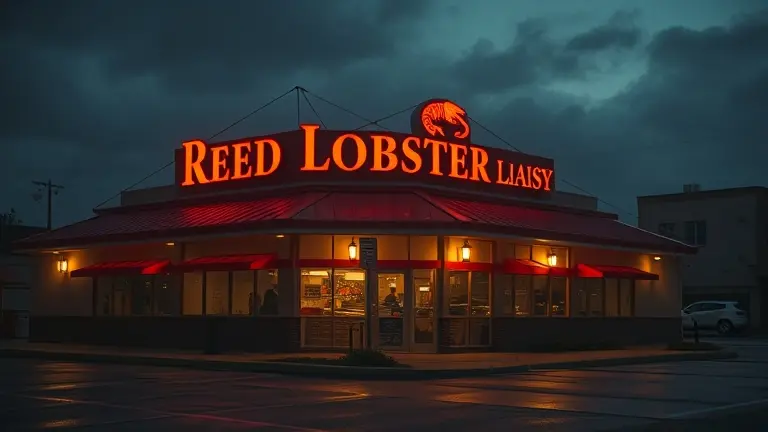
When the doors of the Red Lobster in Tallahassee, Florida—the oldest continuously operating location in the chain—shut for the final time in May 2026, it marked more than just the end of a singular restaurant. Opening its doors in 1970, this location stood as a silent witness to over half a century of American suburban history. It was a place where generations gathered, birthdays were celebrated, and the promise of accessible, casual seafood dining defined the landscape of local communities. For many residents, the Red Lobster Tallahassee closure feels less like a simple business decision and more like the erasure of a familiar neighborhood landmark that anchored their collective memories.
This closure, however, is merely a symptom of a much larger, systemic shift within the casual dining sector. As the parent company navigates the turbulent aftermath of its 2024 Chapter 11 bankruptcy, the disappearance of this legacy site underscores a painful truth: the era of mass-produced, standardized corporate hospitality is fraying at the edges. The decline of this Tallahassee institution serves as a poignant reminder that even the most established pillars of our community are subject to the cold, shifting tides of modern finance, leaving us to wonder what becomes of the physical spaces that once defined our social lives.
The End of an Era: Closing the Oldest Red Lobster in Tallahassee
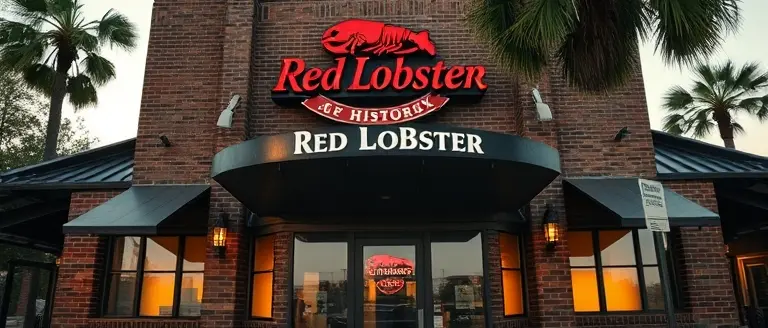
The red lobster tallahassee closure in May 2026 marks a somber milestone in American dining history. As the oldest red lobster tallahassee closing its doors after 56 years of continuous operation, this specific location represented far more than a neighborhood restaurant; it was a foundational pillar of the casual dining boom that began in 1970. Serving as a cultural touchstone for over half a century, the Tallahassee site survived various shifts in the food industry, making its final shuttering a profound symbol of the chain’s modern-day struggles and the broader decline of legacy casual dining brands.
From Cultural Icon to Corporate Restructuring
The demise of this historical location is inextricably linked to the red lobster bankruptcy proceedings that began in 2024. Following a Chapter 11 filing, the company initiated a massive wave of store closures aimed at curbing mounting debts and addressing shifting consumer preferences. The Tallahassee location, while historically significant, could not escape the harsh economic realities facing the parent organization:
- Financial Instability: The 2024 bankruptcy highlighted critical issues in supply chain management and excessive discounting strategies that eroded profit margins.
- Changing Consumer Palates: Modern diners increasingly favor fast-casual experiences over the traditional, sit-down “family-style” seafood model pioneered by the brand in the 70s.
- Operational Consolidation: Closing legacy stores is often a necessary, albeit painful, component of corporate restructuring to optimize real estate and overhead costs.
For the Tallahassee community, the loss of this venue signifies the end of a long-standing tradition. While corporate headquarters may view the closure as a strategic financial necessity, for the local residents who frequented the restaurant for generations, it represents the disappearance of a reliable landmark that once defined the American suburban dining landscape. This closure underscores the fragility of legacy brands when they fail to adapt to the rapid evolution of the competitive restaurant market.
A Look Back at the Rise and Fall of Casual Dining
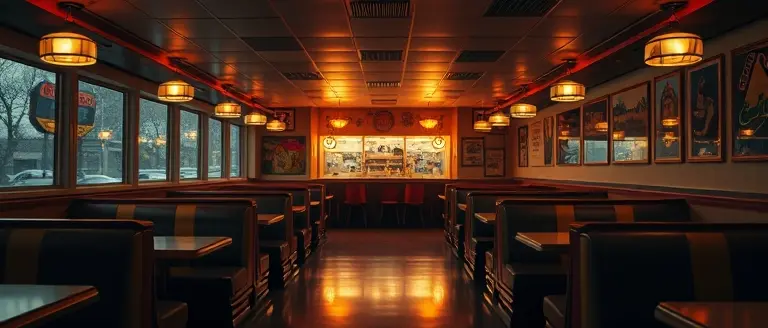
The Red Lobster Tallahassee closure serves as a poignant microcosm for the broader decline of the traditional American casual dining sector. When the Tallahassee location first opened in 1970, it pioneered the concept of “affordable luxury,” bringing seafood—previously seen as a coastal privilege—to the suburban American family. For decades, the chain functioned as a hallmark of middle-class achievement, balancing accessible pricing with the novel experience of dining out. However, the closure of this oldest Red Lobster represents the end of an era where standardized menus and massive physical footprints were sufficient to sustain brand dominance.
The Erosion of the Casual Dining Model
The transition from market leader to industry relic was fueled by a convergence of systemic failures and shifting consumer habits. As fast-casual competitors emerged with fresher ingredients and lower overhead, the traditional sit-down model struggled to justify its increasing price points and sluggish service times. The chain’s journey through the 2024 Chapter 11 bankruptcy filing highlights the fragility of legacy brands failing to pivot during economic volatility. Several factors have accelerated this industry-wide disruption:
- Shifting Preferences: Modern diners prioritize transparency, sustainability, and customizable menus over the rigid, heavy-portion style of 1970s casual dining.
- Operational Inefficiencies: High rent and maintenance costs associated with maintaining large, standalone properties—like the historic Tallahassee site—have become unsustainable in the face of dwindling foot traffic.
- Economic Pressures: Inflation and the rising costs of seafood procurement squeezed margins, forcing the brand to compromise on the very quality that once defined its success.
Ultimately, the Red Lobster bankruptcy impact is a sobering reminder that even iconic institutions cannot rely solely on nostalgia. While the Tallahassee location’s 56-year tenure solidified its place in local history, the current retail climate demands a level of agility that many traditional chains have been unable to demonstrate, forcing a permanent change in the landscape of the American restaurant industry.
Red Lobster Bankruptcy: Lessons in Corporate Restructuring

The red lobster tallahassee closure serves as more than just the end of a local landmark; it is a clinical case study in the systemic decline of legacy casual dining. Following the company’s 2024 Chapter 11 filing, analysts have pointed to a convergence of financial mismanagement and a failure to pivot in an increasingly competitive landscape. At the heart of the Red Lobster bankruptcy impact is a struggle to balance inflationary supply chain costs with a brand identity that felt increasingly disconnected from the modern consumer’s preferences.
Strategic Missteps in a Shifting Market
The chain’s financial turbulence was compounded by several critical business errors that other legacy brands should view as a cautionary tale:
- Menu Mismanagement: Frequent, unsustainable promotions, such as the “endless shrimp” campaigns, prioritized foot traffic over profit margins, putting immense pressure on operational efficiency.
- Real Estate Entanglements: Complex lease agreements and sale-leaseback arrangements burdened the company with high fixed costs, leaving little liquidity to invest in modernizing physical locations.
- Loss of Market Relevance: As the fast-casual segment grew, Red Lobster struggled to compete with the quality perception of higher-end establishments and the convenience of quick-service alternatives.
The shuttering of the oldest Red Lobster Tallahassee closing location highlights the vulnerability of established footprints. While the brand defined seafood dining for decades, it failed to reinvest in the guest experience, leading to a erosion of brand equity. The lesson for the broader hospitality industry is clear: long-term survival in the post-bankruptcy era requires a rigorous focus on operational discipline, a lean supply chain, and a menu strategy that favors consistent quality over short-term volume spikes. Moving forward, the industry must watch how legacy chains navigate the fine line between nostalgic appeal and necessary modernization to remain relevant.
What Comes Next for the Future of Casual Dining?
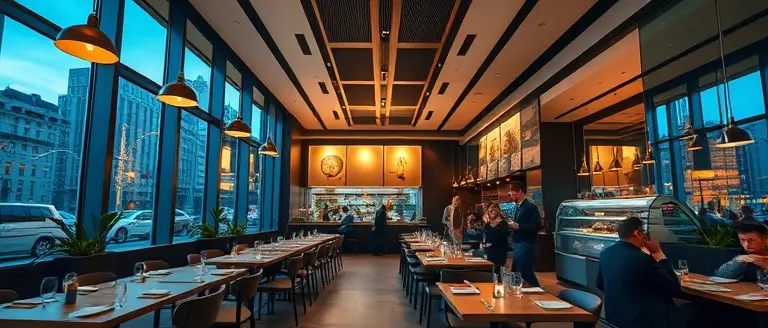
The red lobster tallahassee closure serves as a definitive case study for the shifting tides within the American restaurant industry. As the oldest red lobster tallahassee closing its doors after 56 years, the event signals more than just a local vacancy; it underscores a profound disconnect between legacy business models and the expectations of modern diners. While casual dining chains once dominated the suburban landscape by offering consistency and affordability, the post-pandemic era has introduced significant hurdles, including rising labor costs, inflationary pressures on supply chains, and a consumer base that increasingly prioritizes authenticity over standardized dining experiences.
The Shift Toward Experience-Based Dining
Industry experts suggest that the future of casual dining hinges on the ability to pivot toward “experience-based” models. Chains that continue to rely on stagnant menus and dated decor are finding themselves increasingly obsolete. To remain relevant, surviving brands must integrate specific technological and cultural upgrades:
- Hyper-Personalization: Utilizing data analytics to provide tailored loyalty programs and menu suggestions that cater to specific regional tastes rather than a “one-size-fits-all” national strategy.
- Technological Integration: Streamlining the front-of-house operations through seamless mobile ordering, AI-driven inventory management, and digital engagement tools that reduce friction.
- Revitalized Atmosphere: Moving away from the “cookie-cutter” aesthetic in favor of localized, community-focused environments that encourage social dining rather than just transactional visits.
The Red Lobster bankruptcy impact has sent shockwaves through the market, forcing competitors to re-evaluate their real estate portfolios and operational efficiency. The demise of the Tallahassee location acts as a mirror for a sector in crisis, proving that longevity alone cannot shield a brand from the necessity of constant evolution. Ultimately, the future belongs to those chains that can reconcile their historical identity with the agile, tech-forward, and experience-heavy demands of today’s discerning customers.
Reclaiming the Craft of Building Lasting Legacies
The shuttering of the Tallahassee Red Lobster is a stark reflection of a world increasingly dominated by transient, corporate-driven experiences. As these legacy institutions fade, we are left to confront the loss of those ‘built-to-last’ spaces that once anchored our neighborhoods. However, this shift away from mass-produced convenience offers a unique opportunity to return to something more authentic. While we cannot always stem the tide of corporate restructuring, we can certainly reclaim the pride of craftsmanship within our own four walls, choosing to build items that hold meaning and longevity rather than settling for the disposable nature of modern consumerism.
In this era of uncertainty, rediscovering the ‘do-it-yourself’ spirit is an act of preservation. Just as the original 1970s builders took pride in constructing the community spaces we once cherished, you can now master the art of creating high-quality, permanent fixtures for your own home. By engaging with professional-grade woodworking, you move from being a passive observer of history to an active creator of your own lasting legacy. It is a transition from the fleeting corporate experience to the tangible, satisfying reality of a project built by your own hands.
This is your opportunity to pick up the tools of the trade and embrace a craft that stands the test of time. Access an expansive, archival-quality library of over 16,000 professional plans designed to bring durability and beauty into your living space. Start building your own legacy of craftsmanship today by accessing a library of over 16,000 timeless, professional-grade woodworking plans.
 Start building your own legacy of craftsmanship today by accessing a library of over 16,000 timeless, professional-grade woodworking plans.Yes, I Want to Start Building Today!