
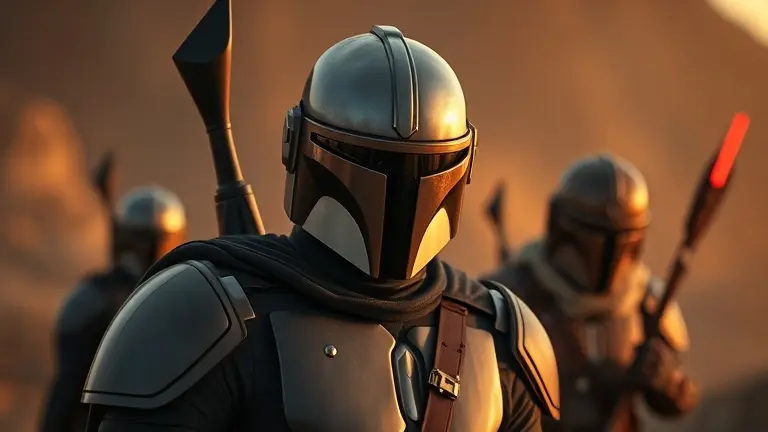
As Lucasfilm prepares to launch The Mandalorian and Grogu this May 22, 2026, the galaxy far, far away finds itself at a defining crossroads. For decades, the studio has balanced the delicate task of honoring legacy lore—from the intricacies of Hutt cartels to the deepest Jedi mythos—while attempting to hook a new generation of viewers raised on fast-paced, fragmented digital storytelling. Recent industry skepticism regarding the film’s narrative direction has ignited a fierce debate about whether the franchise is evolving or simply losing its way.
The true challenge lies not just in the screenwriting, but in the audience’s ability to synthesize these massive, multi-generational narratives. As the lines blur between critical reception and fan devotion, it has become increasingly clear that engaging with the modern Star Wars experience requires more than just nostalgia; it demands an sharpened, analytical mind capable of processing complex character motivations and interconnected plot lines across a sprawling, decades-spanning cinematic universe.
Lucasfilm at a Crossroads: The May 2026 Shift
As Lucasfilm approaches the highly anticipated May 22, 2026, theatrical release of The Mandalorian and Grogu, the studio finds itself navigating an unprecedented period of transition. This release represents more than just a box-office attempt; it serves as a litmus test for the franchise’s long-term viability in a saturated streaming landscape. While the excitement surrounding the return of Mando and his charge to the big screen is palpable, critical reception has been markedly polarized. Industry analysts note a growing “generational disconnect,” where legacy fans prioritize deep lore connections—such as the reintroduction of characters like Rotta the Hutt—while broader audiences express fatigue over the studio’s reliance on familiar IP.
Balancing Legacy and Innovation
The current narrative surrounding Lucasfilm is complicated by the heavy weight of its past and the pressure to forge a new path. The recent industry discourse, influenced by legacy news including the passing of legendary voice actor Tom Kane, has reminded audiences of the human labor behind these galactic icons. To reconcile these tensions, the studio appears to be shifting its strategy:
- Lore Expansion: Utilizing deep-cut references to bridge the gap between niche enthusiast expectations and mainstream accessibility.
- Production Pivot: Moving away from experimental streaming-first content to prioritize high-stakes theatrical experiences that justify the “Star Wars” label.
- Demographic Targeting: Attempting to recapture the interest of younger viewers without alienating the aging core demographic that defined the franchise’s history.
Evidence suggests that Lucasfilm is currently struggling to define its post-Skywalker identity. While the production values of The Mandalorian and Grogu remain top-tier, the skepticism surfacing in reviews—such as those highlighted by Yahoo Entertainment—points to a fundamental question: does the audience want more of the same, or are they ready for the creative evolution that the studio has promised? The outcome of this theatrical release will likely dictate the studio’s strategic priorities for the remainder of the decade.
The Mandalorian and Grogu: Examining the Theatrical Pivot
The transition of The Mandalorian and Grogu from the serialized episodic format of Disney+ to a standalone theatrical feature marks a critical inflection point for Lucasfilm. For years, the studio relied on long-form streaming to build internal lore, but this shift suggests a strategic pivot toward reclaiming the cinematic event status that once defined the Star Wars brand. Industry analysts suggest this move functions as both a creative gamble and a safety net; by leveraging the most popular characters of the modern era, the studio aims to mitigate the risk of box-office fatigue that has plagued recent franchise entries.
Bridging the Generational and Critical Divide
Early reviews for the film have surfaced a palpable tension between franchise purists and the broader audience. While die-hard fans appreciate deep-lore integration—such as the surprising return of Rotta the Hutt—critics argue that the film occasionally struggles to balance its role as a bridge for new viewers with the dense narrative requirements of the established canon.
The divide centers on several core questions regarding the film’s narrative stakes:
- The “Streaming-to-Screen” Trap: Is the film merely an extended episode, or does it utilize the theatrical scope to elevate the emotional stakes of Din Djarin’s journey?
- Generational Resonance: Does the heavy reliance on past animated and series-based history alienate casual moviegoers who lack the bandwidth for deep-dive lore?
- Studio Strategy: Does this move signal a permanent retreat from experimental streaming projects in favor of guaranteed IP-driven blockbusters?
Evidence suggests that Lucasfilm is currently testing the limits of its audience’s patience. By prioritizing brand familiarity, the studio risks further fragmenting its base, yet the commercial necessity of a theatrical win is undeniable. Whether this pivot serves as a long-term blueprint for the franchise or a temporary corrective measure remains to be seen, but the industry response indicates that the era of “safe” Star Wars storytelling is under intense scrutiny.
Generational Shifts and Franchise Relevance
The modern strategy at Lucasfilm is currently defined by a high-stakes balancing act: honoring deep-seated lore while attempting to capture the fleeting attention of Gen Alpha. With the release of The Mandalorian and Grogu, industry analysts are questioning whether the studio’s reliance on established character archetypes is sufficient to cultivate a new generation of superfans. Evidence suggests that while legacy characters provide a reliable safety net for older demographics, the future of the Star Wars franchise hinges on its ability to evolve beyond mere nostalgia. By pivoting toward character-driven storytelling centered on figures like Grogu, the studio is clearly aiming to bridge the gap between traditional cinematic grandeur and the short-form, merchandise-heavy engagement models preferred by younger viewers.
This transition marks a deliberate departure from the Skywalker-centric narratives that dominated the past four decades. The current industry discourse indicates that Lucasfilm is shifting its focus toward:
- Merchandising Longevity: Utilizing distinct, high-concept characters that possess universal appeal across diverse age groups.
- Reduced Legacy Dependency: Moving away from the dense, multi-generational baggage of the past to create accessible entry points for new fans.
- Narrative Simplicity: Prioritizing emotive, episodic storytelling that mimics the pace of modern digital content consumption.
Whether this pivot effectively secures the brand’s relevance remains a point of contention among critics. Some argue that the reliance on “cute” iconography, while commercially lucrative, may inadvertently dilute the epic scale that initially cemented the franchise’s global status. Conversely, supporters see this as a necessary survival mechanism in an increasingly fragmented entertainment landscape. Ultimately, the success of this strategy will be measured not just by opening weekend ticket sales, but by the franchise’s ability to maintain sustained cultural resonance in an era where attention is the most valuable commodity.
The Road Ahead: Long-term Outlook for the Lucasfilm Slate
As Lucasfilm navigates the late 2020s, the theatrical performance of The Mandalorian and Grogu serves as a critical stress test for the studio’s broader strategy. While the transition from small-screen serial storytelling to high-stakes cinematic features offers a clear path to revitalizing the Star Wars brand, the polarized critical reception underscores a widening generational divide. Evidence suggests that the studio is currently balancing a delicate trade-off: leaning into nostalgic anchors like fan-favorite characters and legacy lore to secure immediate box office revenue, while simultaneously attempting to pivot toward more ambitious, original narratives that can capture a younger, more fragmented demographic.
Balancing Risk and Narrative Cohesion
The future of the Lucasfilm slate depends heavily on whether this new release is viewed as a repeatable blueprint or a stopgap measure. If the studio relies too heavily on existing IP, it risks creative stagnation; however, a complete abandonment of established pillars threatens the core fan base. Industry analysts are closely monitoring the following key factors for the next phase of development:
- Production Scalability: The reliance on existing showrunner pipelines versus the development of standalone auteur-driven films.
- Thematic Evolution: Shifting the narrative focus from saga-heavy tropes to more localized, high-stakes adventures that do not require extensive viewing history to understand.
- Technological Integration: How the studio balances cost-effective production methods with the high-end, spectacle-driven expectations inherent to theatrical distribution.
For Lucasfilm to maintain long-term industry dominance, it must fundamentally recalibrate its approach. The studio’s current pipeline suggests a pivot toward “event-level” releases, but sustained success will require a stronger commitment to diversifying its creative voices. By moving beyond the reliance on legacy characters and embracing deeper lore connections that feel fresh rather than derivative, the studio can foster a more sustainable relationship with both casual moviegoers and die-hard enthusiasts. Ultimately, the road ahead requires less emphasis on safeguarding past glory and more on establishing a distinct, forward-looking identity for the franchise.
Sharpen Your Focus for the Next Galactic Era
Ultimately, the future of Lucasfilm rests on the audience’s willingness to engage with the franchise on a deeper level. Whether you are deciphering the nuances of Mando’s journey or connecting the dots between legacy arcs, your experience is defined by your own mental clarity. Moving past the noise of polarized reviews requires the cognitive stamina to truly absorb the narrative depth that this studio is working to build.
This is where many passionate fans are finding their competitive edge. To truly unpack the dense lore and intricate industry pivots within the Star Wars universe, you need more than just popcorn—you need precision. This is why we recommend The Brain Song as the ultimate cognitive partner for your marathon viewings and deep-dive analysis. By integrating this 12-minute daily audio routine, you are not just watching a movie; you are upgrading your mental focus to better retain, analyze, and enjoy the most complex cinematic stories ever told.
The shift in how we consume entertainment is real, and the tools you choose to support your cognitive health will dictate how much you actually gain from these sweeping sagas. Why settle for passive consumption when you can unlock a sharper, more focused perspective on the stories that matter most to you?
 Ready to sharpen your focus for the next generation of Star Wars? Click here to start your 12-minute daily audio routine.Sharpen My Focus Now!