

When the Minnesota Twins selected Royce Lewis with the No. 1 overall pick, the baseball world envisioned a franchise cornerstone—a dynamic talent capable of dominating the diamond for a decade. Yet, as of May 19, 2026, the narrative has taken a sobering turn. Following a grueling start to the season marked by a stagnant .163 batting average and a staggering 31.1% strikeout rate, Lewis has been optioned to the Triple-A St. Paul Saints. This isn’t just a routine roster move; it is a critical ‘reset’ point for a former phenom who suddenly looks lost at the plate, struggling to catch up to fastballs he once crushed with ease.
But what truly triggers a collapse of this magnitude? While pundits obsess over mechanical flaws and bat speed metrics, the silence surrounding the mental game is deafening. Behind every swing-and-miss lies a complex cognitive process of pitch recognition and decision-making that requires absolute neural synchronization. As Lewis heads back to the minors to rediscover his rhythm, the core question remains: Is this a fixable mechanical glitch, or is there a deeper, cognitive disconnect stalling one of baseball’s brightest prospects?
The St. Paul Reset: Analyzing Royce Lewis’s 2026 Demotion
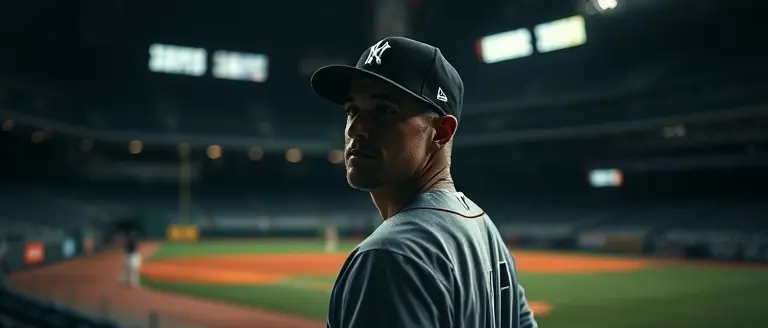
On May 19, 2026, the Minnesota Twins organization reached a difficult but necessary inflection point regarding Royce Lewis, the former No. 1 overall pick and face of the franchise. Following a prolonged and alarming offensive slump that saw the talented infielder struggle to regain his rhythm after returning from injury, the team officially optioned Lewis to the Triple-A St. Paul Saints. This move serves as a “reset” for the 27-year-old, shifting his focus away from the high-pressure environment of the major leagues toward refining his mechanics and rebuilding his confidence in a controlled environment.
The statistical reality behind this decision is difficult to ignore. Through 31 games in the 2026 season, Lewis recorded a meager .163 batting average and a staggering .539 OPS. Perhaps most concerning to the Twins’ coaching staff was his 31.1% strikeout rate, which signaled a significant breakdown in plate discipline and an inability to track pitches effectively. When analyzing his trajectory, several key factors illustrate why the organization felt this demotion was the only viable path forward:
- Plate Discipline Decline: An elevated chase rate led to poor contact quality, resulting in a departure from the disciplined hitting approach that previously defined his tenure in Minnesota.
- Mechanical Adjustments: The time in St. Paul is designed to address potential flaws in his swing path that have emerged since his return to the lineup, allowing him to regain the bat speed and exit velocity that made him a premier prospect.
- Mental Fatigue: Managing the pressure of being a former top draft pick while recovering from multiple health setbacks has clearly taken a toll; the St. Paul environment provides a lower-stakes space to clear that mental hurdle.
This assignment to the Triple-A level marks a critical juncture in the professional career of Royce Lewis. Whether this is a temporary setback or a permanent shift in his trajectory remains the central question for Twins fans and analysts alike. By prioritizing his long-term health and development over immediate production, Minnesota is betting that this stint with the Saints will serve as the catalyst for his eventual, and much-anticipated, return to form at the major league level.
Beneath the Box Score: Advanced Sabermetric Trends
The optics of the .163 batting average paint a grim picture, but the underlying sabermetric data from the 2026 season reveals a more granular decline for Royce Lewis. A closer inspection of his plate discipline metrics suggests that his 31.1% strikeout rate is not merely a product of bad luck, but a fundamental regression in pitch recognition. Compared to his previous campaigns, Lewis has demonstrated a significant spike in his O-Swing% (outside-swing percentage). Opposing pitchers have adjusted their scouting reports, baiting him with breaking balls low and away—pitches he previously laid off with disciplined precision. By expanding his zone and swinging at pitches he cannot drive, Lewis has effectively negated the power profile that once made him a premier offensive threat for the Minnesota Twins.
Mechanical Decay and Contact Quality
Beyond his plate discipline, the drop in exit velocity signals a potential physical or mechanical disconnect. Data shows a downward trend in his average launch speed and a stark decrease in his hard-hit percentage, suggesting that even when Lewis does make contact, the quality of that contact is suboptimal. Analysts have pointed toward potential mechanical flaws, including a slower bat path that leaves him vulnerable to high-velocity fastballs inside. This combination of factors creates a compounding effect:
- Elevated Chase Rates: Lewis is consistently fishing for secondary offerings, falling into unfavorable counts that limit his ability to hunt his preferred pitch.
- Declining Contact %: His ability to put the ball in play has diminished as his timing appears consistently “off,” leading to more frequent swinging strikes.
- Pitcher Strategy Shift: League-wide data indicates that pitchers are attacking him with fewer strikes, challenging him to prove he can stop chasing junk before they return to the heart of the zone.
These advanced metrics suggest that this demotion is a necessary tactical retreat. For Royce Lewis to reclaim his status as an elite infielder, his work at the Triple-A St. Paul Saints must focus on tightening his zone and regaining the bat-to-ball consistency that defined his early career trajectory.
The Psychological Burden of the No. 1 Overall Pick

The journey of Royce Lewis from a highly touted No. 1 overall draft pick to a player optioned to Triple-A illuminates the unique, often crushing psychological weight carried by elite prospects. In professional baseball, the “prospect-to-superstar” pipeline is rarely linear, yet the expectation of immediate, sustained excellence remains a constant. For Lewis, the 2026 season has been defined by a 31.1% strikeout rate and a diminished offensive output, manifesting as a classic “press to impress” phenomenon. When a player of his caliber hits a prolonged slump, the internal pressure to “fix” his mechanics often leads to over-correction, resulting in altered swing paths and poor decision-making at the plate.
The Anatomy of a Professional ‘Reset’
History is replete with top picks who faced similar crossroads. Whether due to physical recovery or the mental exhaustion of meeting sky-high organizational expectations, these “reset” periods are often essential for long-term survival. The evidence suggests that when a hitter experiences such an alarming decline, the culprit is frequently a disconnect between natural athletic timing and a strained, over-analyzed approach. Key factors impacting his current trajectory include:
- Compensatory Mechanics: Attempting to force contact, leading to expanded strike zones and increased chase rates.
- Mental Fatigue: The exhaustive scrutiny from media and fans can inadvertently create a “tensing” effect, disrupting the fluid motion required for elite hitting.
- Performance Anxiety: The desire to justify high draft status can lead to “pressing,” where a player abandons their proven approach in search of immediate, game-saving results.
Ultimately, this demotion to the St. Paul Saints provides Lewis the necessary space to decompress. By stepping away from the daily glare of the Minnesota Twins‘ big-league environment, he can focus on reclaiming the bat-to-ball skills that originally made him a franchise cornerstone. This is not necessarily the end of his potential, but rather a vital recalibration point to address the psychological burden of being an elite MLB prospect.
Path to Redemption: Temporary Setback or Permanent Shift?

The demotion of Royce Lewis to the Triple-A St. Paul Saints serves as a stark reality check for both the Minnesota Twins organization and their fanbase. While the narrative surrounding his 2026 campaign has been defined by an alarming .163 batting average and a unsustainable 31.1% strikeout rate, the path to redemption requires more than just mechanical adjustments; it demands a total recalibration of his approach at the plate. For Lewis to regain his status as a cornerstone of the franchise, the Twins’ coaching staff must focus on stabilizing his rhythm, specifically addressing his increasing chase rates and his inability to catch up to high-velocity fastballs that previously posed no threat.
Measurable Benchmarks for a Major League Return
To secure a recall, Lewis must demonstrate tangible improvements in his plate discipline and contact consistency. The organization is likely looking for specific indicators before promoting him back to the MLB roster:
- Reduction in Strikeout Rate: Lowering the K-rate from the current 31.1% to a more sustainable sub-22% range is the primary objective.
- Exit Velocity Consistency: Restoring his average exit velocity to previous elite levels to prove the power profile remains intact.
- Plate Discipline: Increasing the “swing-at-strikes” percentage while reducing chases on breaking balls outside the zone.
The debate currently circulating among analysts is whether this decline represents a permanent shift in his physical profile or merely a “post-injury” hangover. If his elite bat speed has truly diminished, the Twins face a difficult dilemma regarding their long-term infield strategy. However, historical precedents for top picks who endured mid-career “resets” suggest that such slumps are often developmental hurdles rather than career-ending ceilings. Whether Lewis returns as a superstar or a utility-level contributor depends heavily on his mental fortitude during this Triple-A stint. If he can simplify his approach and reclaim his confidence, the Twins may yet salvage their investment in the former No. 1 overall pick.
The Path Back to Peak Performance
The journey from prospect to major-league stardom is rarely linear, and Royce Lewis’s current demotion serves as a stark reminder that professional baseball is as much a mental gauntlet as it is a test of raw physical skill. Whether the root cause is mechanical fatigue or a loss of plate discipline, the elite performance required to succeed at the highest level necessitates a level of cognitive clarity that many athletes overlook. Fixing a swing is only half the battle; the other half is training the brain to process high-pressure stimuli with precision and ease.
Just as top-tier athletes utilize data to refine their mechanics, they must also leverage advanced tools to clear the mental fog that inevitably accompanies a prolonged slump. This is where The Brain Song becomes an essential component of an athlete’s recovery toolkit. By acting as an auditory performance coach, this system is specifically designed to optimize neural synchronization and sharpen cognitive focus, providing the necessary mental reset to overcome performance anxiety and cognitive plateaus.
If you are looking to regain your competitive edge—whether on the field or in the boardroom—The Brain Song offers a science-based approach to reclaiming the focus you need to excel under pressure. Don’t let mental fatigue define your ceiling. Reclaim your mental edge and sharpen your focus like the pros—click here to start your 12-minute daily cognitive reset with The Brain Song.
 Reclaim your mental edge and sharpen your focus like the pros—click here to start your 12-minute daily cognitive reset with The Brain Song.Yes, I Want This Now!