
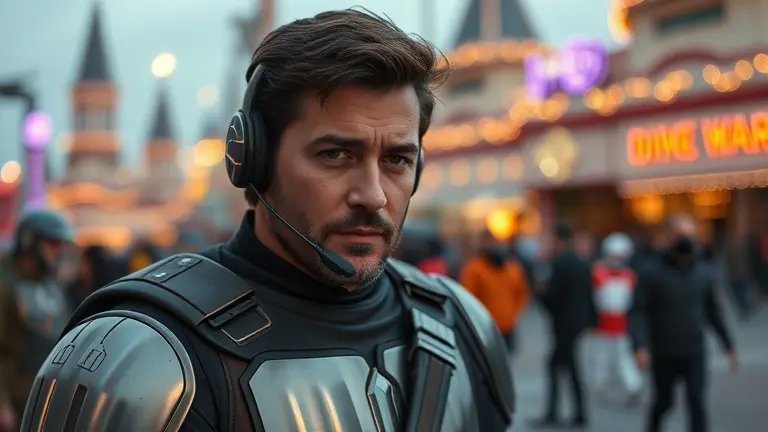
When Pedro Pascal, adorned in his iconic Mandalorian armor, appeared in the heart of Disneyland’s Galaxy’s Edge this past May, the internet reacted with a predictable mixture of ecstasy and skepticism. For many, it was a dream come true; for others, it was the latest, most egregious example of the “Disney marketing playbook” in action. As reports emerged from outlets like The Hollywood Reporter suggesting the “spontaneous” interaction was a carefully orchestrated piece of viral theater, the incident ignited a broader debate regarding the current state of celebrity culture.
Is the age of authentic celebrity interaction officially dead? We are currently witnessing an authenticity crisis, where major studios leverage the immense popularity of stars like Pascal to secure record-breaking box office trajectories, often at the expense of genuine human connection. By dissecting this incident, we uncover the tension between genuine star power and the corporate machinery behind it—a landscape that demands a new level of critical engagement from fans who are tired of being treated like mere nodes in a viral marketing strategy.
The Disneyland Stunt: Marketing Magic or Manufactured Authenticity?
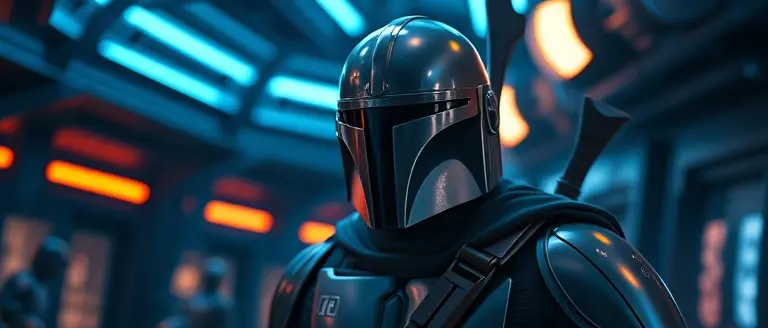
The mid-May 2026 appearance of Pedro Pascal at Disneyland’s Galaxy’s Edge, where the actor appeared in full Mandalorian regalia to surprise unsuspecting guests, was initially hailed as a heartwarming moment of fan connection. However, the event quickly pivoted from a celebratory viral clip to a point of intense industry scrutiny. Following reports from The Hollywood Reporter, skepticism has emerged regarding the spontaneity of the encounter. Industry analysts are now questioning whether the interaction was a genuine act of fan service or a calculated component of Disney’s promotional playbook for the upcoming film, The Mandalorian and Grogu.
The Anatomy of a PR Strategy
This incident highlights a growing tension in modern Hollywood: the “authenticity crisis.” As major studios scramble to capture organic engagement on social media, the line between reality and marketing stunts has become increasingly blurred. The controversy centers on several key elements:
- Controlled Environment: By utilizing the highly curated space of Galaxy’s Edge, Disney ensured that the visual aesthetic remained perfectly on-brand for the franchise.
- Viral Velocity: The speed at which professional-grade footage surfaced suggests a pre-planned media deployment, rather than a collection of candid fan-captured videos.
- Strategic Timing: The appearance was perfectly timed to build momentum for the 2026 film slate, leveraging Pascal’s immense popularity to dominate social media discourse during a critical pre-release window.
For savvy audiences, the Pedro Pascal Disneyland stunt serves as a quintessential case study in how studios attempt to manufacture the “magic” of celebrity spontaneity. While fans crave real-world access to their favorite stars, the rising cynicism among viewers indicates that digital-native audiences are becoming experts at deconstructing these corporate maneuvers. As studios continue to rely on these high-profile influencers to anchor their biggest properties, the industry must grapple with whether the attempt to manufacture authenticity is ultimately damaging the very brand equity they hope to preserve.
The Authenticity Crisis: Why Modern Audiences Smell a Rat
The recent viral appearance of Pedro Pascal at Disneyland’s Galaxy’s Edge, while visually impressive, has inadvertently highlighted a growing “authenticity crisis” within Hollywood’s promotional machine. As studios attempt to manufacture organic “magic” to support massive tentpole releases like The Mandalorian and Grogu, audiences are becoming increasingly adept at identifying the strings behind the curtain. When a high-profile celebrity interaction feels too perfect—choreographed with optimal camera angles and strategic timing—the intended sense of wonder is often replaced by public skepticism. This disconnect suggests that modern film fans no longer just consume entertainment; they actively analyze the marketing infrastructure supporting it.
The Erosion of Fan Trust
The shift from genuine human connection to calculated viral stunts has serious implications for studio credibility. When marketing teams prioritize social media metrics over spontaneous, unscripted reality, they risk turning beloved icons into corporate tools.
- Heightened Vigilance: Modern viewers, fueled by years of social media influencer culture, are hyper-aware of staged content.
- Backlash Risks: When fans feel “tricked” by a supposed surprise, the brand’s integrity is directly compromised, leading to negative sentiment that can overshadow the project itself.
- The Content Fatigue Factor: Repetitive promotional tactics cause audience exhaustion, making it harder for studios to gain genuine traction for future releases.
By utilizing high-stakes promotional efforts, Disney is essentially participating in an industry-wide experiment: can corporate entities replicate the “lucky” viral moment? The evidence suggests that for an actor as universally liked as Pedro Pascal, these stunts create a double-edged sword. While they guarantee short-term reach, they simultaneously foster an environment where every future interaction is viewed through a lens of cynicism. To maintain long-term loyalty, studios may need to pivot away from hyper-produced “spontaneity” and toward more transparent, human-focused engagement strategies that respect the audience’s intelligence.
Pedro Pascal’s 2026 Dominance: The Burden of the Franchise Face
The year 2026 marks an unprecedented high-water mark for Pedro Pascal, who has effectively cemented his status as the most bankable star in Hollywood. By anchoring high-stakes intellectual properties like The Mandalorian and Grogu, Pascal is no longer just an actor; he has become the primary risk-mitigation strategy for major studios. His meteoric rise is a direct response to a fractured media landscape where audiences are increasingly skeptical of blockbuster cinema. Studios have identified that Pascal possesses a rare, “relatable” star power—a grounded authenticity that bridges the gap between high-budget spectacle and intimate, character-driven storytelling. This unique quality makes him the ideal vessel for carrying the immense financial and cultural weight of modern franchise-heavy portfolios.
The Strategic Value of the “Everyman” Icon
The industry’s reliance on Pascal stems from his ability to humanize even the most detached, helmeted roles. As studios grapple with the decline of the traditional movie star, Pascal offers a distinct advantage: he is perceived as a collaborative, ego-less presence in an industry often defined by volatility. His professional trajectory in 2026 demonstrates a deliberate effort to remain at the forefront of the cultural conversation, necessitating a constant stream of high-profile promotional efforts, such as his recent—and debated—appearance at Disneyland. However, this level of ubiquity comes with significant risks:
- Market Saturation: The constant need for viral engagement risks eroding the very authenticity that made him a fan favorite.
- The PR Burden: As the face of Disney’s most critical 2026 investments, Pascal is often forced into the role of brand ambassador, creating a tension between his identity as an artist and his function as a marketing asset.
- Performance Pressure: With The Mandalorian and Grogu serving as a tentpole for Disney’s long-term box office strategy, the expectation for record-breaking performance rests almost entirely on his shoulders.
Ultimately, Pascal’s 2026 slate represents an industry-wide pivot toward a new model of celebrity management. By banking on his perceived sincerity, studios are attempting to manufacture the same organic connection that fans historically cultivated on their own, a gamble that remains the central narrative of his current professional cycle.
The Future of Studio Promotion: Beyond the Viral Stunt
The recent controversy surrounding Pedro Pascal and his surprise appearance at Disneyland has ignited a critical conversation about the “authenticity crisis” currently plaguing Hollywood marketing. While studios have long relied on viral moments to build momentum for massive tentpole releases like The Mandalorian and Grogu, the line between genuine fan engagement and orchestrated corporate theater is blurring. When audiences perceive a “spontaneous” celebrity interaction as a calculated PR maneuver, the result is often skepticism rather than excitement. To maintain long-term audience trust, studios must evolve their strategies, moving away from manipulative tactics toward transparency and value-driven engagement.
The Shift Toward Radical Transparency
Modern consumers, particularly those following the career of a high-profile star like Pedro Pascal, are increasingly media-literate. They can distinguish between an organic, human moment and a manufactured marketing beat. Moving forward, successful promotional campaigns will likely prioritize:
- Behind-the-Scenes Honesty: Acknowledging the production effort behind promotional events rather than framing them as spontaneous “happenings.”
- High-Value Intellectual Content: Instead of viral stunts, studios should focus on deep dives into the craft, artistry, and technical achievements that define a film’s development.
- Direct-to-Fan Dialogue: Fostering community-led discussions that allow talent to engage with fans in unscripted, non-promotional settings that prioritize meaningful interaction over “shock value.”
By shifting the focus from “tricking” viewers into organic engagement to respecting their intelligence, major studios can foster a more sustainable connection with their core demographics. The future of film promotion lies not in high-budget, staged surprises, but in creating an authentic ecosystem where the passion of the fan base is recognized as a legitimate partner in the success of the film, rather than merely a data point in a box-office strategy.
Reclaiming Your Autonomy in an Era of Synthetic Spectacle
The Pedro Pascal incident at Disneyland serves as a stark reminder that in 2026, the line between organic fan connection and industrial-scale manipulation has all but vanished. As Disney and other major studios double down on manufactured spontaneity to drive their massive franchise bets, the burden of discernment falls entirely on the audience. When every “surprise” is a calculated data point designed to feed the viral machine, the true victim is our capacity for genuine, unscripted engagement.
While Hollywood leverages sophisticated psychological triggers to keep us locked in a cycle of passive consumption, the real challenge for the modern viewer is maintaining the cognitive clarity to see past the smoke and mirrors. Constant exposure to these synthetic narratives creates a form of mental fog that blunts our critical instincts, leaving us vulnerable to influence. Reclaiming your intellectual autonomy isn’t just about skepticism; it’s about sharpening the tools you use to process the world.
To navigate this landscape, you need more than just awareness—you need an intellectual upgrade. The Brain Song is designed to clear the static, providing the focus and cognitive resilience required to cut through the noise of modern marketing. It is the perfect companion for the high-performing media consumer who refuses to be swept away by manufactured trends and demands a sharper, more analytical edge in their daily life.
 Reclaim your mental clarity and sharpen your analytical edge with this 12-minute daily routine designed for the modern media consumer.Yes, I Want This Now!