
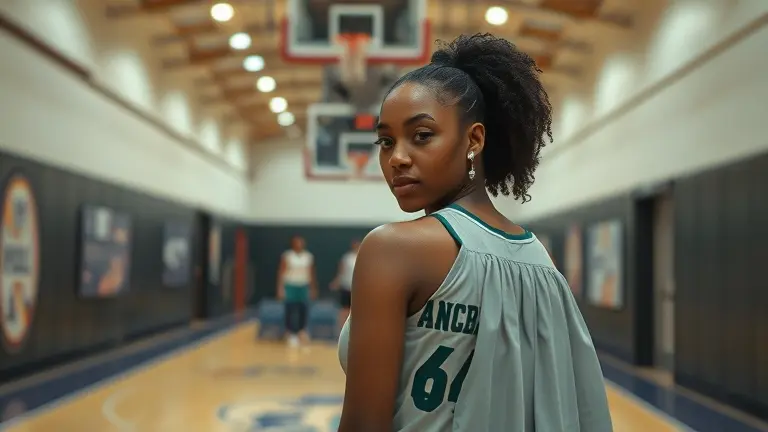
The WNBA spotlight has rarely burned brighter than it did on May 17, 2026, as Angel Reese took the floor for her highly anticipated home debut with the Atlanta Dream. Yet, as the final whistle blew against the Las Vegas Aces, the narrative surrounding the young star had shifted from pre-game fashion buzz to a sobering critique of on-court efficiency. With a stat line hampered by turnovers and a late-game benching, the disconnect between Reese’s celebrity status and her professional athletic output has become the league’s most polarizing topic. Critics are already pointing to her pre-game confidence as a lapse in judgment, but the reality is likely far more nuanced than a simple lack of effort.
To understand the ‘Reese phenomenon,’ one must look beyond the tunnel walk and into the tactical friction of her transition. Navigating a new system in a high-pressure environment creates a massive cognitive load, often leading to exactly the kind of mental fog that disrupts a player’s natural rhythm. This is not just an athletic struggle; it is a profound lesson in the necessity of cognitive endurance when adapting to high-stakes change. For any professional, the challenge remains the same: how do you maintain absolute focus and decision-making clarity when the system you operate within is rapidly shifting?
Analyzing the Atlanta Dream Debut: Examining the Stats Behind the Noise

The home debut of Angel Reese for the Atlanta Dream on May 17, 2026, served as a stark case study in the current pressures facing elite WNBA athletes. While the pre-game atmosphere was defined by her immense cultural footprint and off-court fashion presence, the performance against the Las Vegas Aces revealed a significant learning curve. Reese finished the contest with a challenging 1-of-8 shooting line, a statistic that underscores the difficulty of adjusting to a high-tempo professional system under the weight of heightened expectations. Beyond the shooting percentage, the game was marred by eight turnovers, leading to a critical decision by the coaching staff to bench the star late in the game.
Tactical Hurdles and Performance Data
To understand the gap between Reese’s celebrity status and her on-court output, one must analyze the tactical shifts required by her trade to Atlanta. The Dream’s offensive system demands rapid decision-making and precise ball security, two areas where the transition has proven difficult for Reese thus far. Key takeaways from her performance include:
- Efficiency Issues: Her 1-of-8 shooting display highlights a need for better shot selection when facing the high-caliber defensive schemes of the Aces.
- Turnover Vulnerability: Recording eight turnovers suggests a struggle to adjust to the speed of professional passing lanes compared to her previous collegiate or early professional experience.
- The Bench Factor: Her late-game benching was not necessarily a permanent indictment of her skill, but rather an indicator of the Atlanta Dream’s immediate need for stability against a championship-caliber opponent.
Rather than dismissing the game as a disaster, it is more accurate to view it as a high-stakes “performance review” for a player currently integrating into a new franchise. Angel Reese remains a focal point of the league, and the tension between her marketing appeal and the gritty reality of technical development will likely define her early tenure in Atlanta. Moving forward, the focus must shift to how she reconciles her high-usage role with the tactical discipline required to thrive at the highest level of professional basketball.
The Learning Curve: Tactical Fit and System Transition in Atlanta
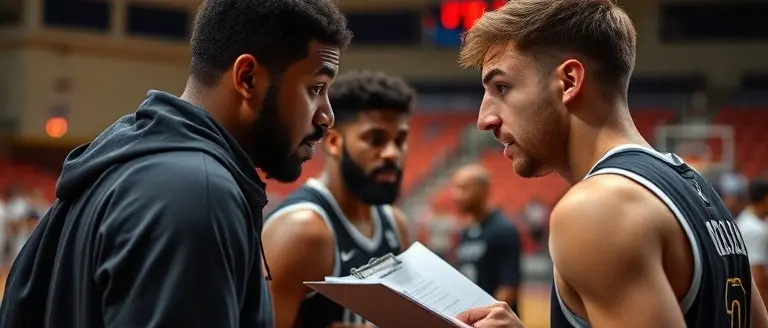
The transition of Angel Reese to the Atlanta Dream has highlighted the inherent challenges of integrating a high-usage star into an established offensive system. Following her high-profile offseason trade, the expectation was a seamless transition; however, the reality of the May 17 home debut suggests a steeper learning curve than analysts initially projected. Evidence suggests that Reese is currently grappling with the nuances of a new playbook that demands more perimeter spacing and quick-decision passing—elements that contrast sharply with her previous role, which relied heavily on interior dominance and rebound-heavy positioning.
Tactical Challenges and System Alignment
The primary friction point appears to be the mismatch between the Dream’s current offensive spacing and Reese’s preferred operating areas. While Reese remains an elite talent, the system requires her to act as a secondary playmaker and a defensive anchor simultaneously. The 1-of-8 shooting performance in her home debut was not merely an anomaly of poor shooting; it reflected a struggle to find rhythm within a high-tempo transition game that often leaves the post isolated.
Key tactical adjustments Reese must navigate include:
- Offensive Spacing: Adapting to plays that pull her away from the restricted area, where her gravity is most effective.
- Decision-Making Tempo: Reducing high-turnover sequences by refining her reaction time against aggressive double-teams designed to force the ball out of her hands.
- Defensive Versatility: Learning to anchor a defensive scheme that requires more lateral mobility in pick-and-roll coverage than she was previously accustomed to.
Ultimately, the friction between celebrity status and on-court production is being exacerbated by these tactical growing pains. For Reese, the path forward involves balancing her unique individual playstyle with the structural demands of the Dream’s coaching staff. While critics have labeled the debut a “disaster,” a more measured analysis reveals a player working through the fundamental complexities of a professional system transition. As the season progresses, her ability to reconcile these tactical mismatches will define her impact on the team’s championship aspirations.
The Celebrity-Athlete Paradox: Navigating the WNBA Spotlight

The career of Angel Reese represents a unique crossroads in the modern WNBA, where the lines between professional basketball excellence and global celebrity status have blurred. As one of the most recognizable faces in sports, Reese brings unparalleled marketing power to the Atlanta Dream. However, her high-profile “tunnel walk” aesthetic and dominant social media presence create a paradox for fans and critics alike. When off-court influence is this significant, the margin for error on the court shrinks, as performance expectations are inevitably amplified by the intense spotlight of her celebrity brand.
The Impact of Increased Scrutiny
The scrutiny surrounding her recent performance on May 17, 2026, highlights the tension inherent in being a cultural icon while transitioning into a new tactical system. Evidence suggests that for players like Reese, a single inefficient night—characterized by high turnover rates and shooting struggles—is often framed through the lens of her public persona rather than just developmental growing pains. This creates a challenging environment for young athletes:
- Expectation vs. Reality: Fans often conflate marketing reach with on-court readiness, leading to harsh critiques when a player is still adjusting to a team’s scheme.
- The Media Cycle: Digital platforms thrive on the contrast between high-fashion appearances and on-court “stinker” games, which can obscure the objective reality of a player’s learning curve.
- Professional Standards: The WNBA’s increasing popularity forces stars to navigate the delicate balance of brand maintenance and the grueling physical demands of professional basketball.
Ultimately, navigating this paradox requires a recalibration of how audiences consume sports media. While the Atlanta Dream look to integrate her skills, the broader sports community must distinguish between the athlete’s off-court branding and her professional development. As Reese continues to adjust to the speed and complexity of the WNBA, her ability to compartmentalize the noise of her celebrity status will be just as critical as her tactical performance on the hardwood.
Resilience in the Face of Criticism: Addressing the ‘Great Player’ Narrative

In the modern landscape of the WNBA, the intersection of Angel Reese’s off-court celebrity and her on-court output has created a unique pressure cooker. Following her May 17, 2026, home debut for the Atlanta Dream, pre-game comments regarding her status as a “great player” became a focal point for critics after she finished with a 1-of-8 shooting performance and eight turnovers. For elite athletes, maintaining internal confidence is a psychological necessity; however, when that confidence is articulated publicly, it invites heightened scrutiny. Reese’s struggle to adapt to the Dream’s offensive system highlights the friction between a star’s self-perception and the objective reality of professional developmental curves in a new team structure.
Balancing Internal Confidence and External Optics
The narrative surrounding Reese often ignores the nuances of player development. While her cultural impact and “tunnel walk” aesthetic solidify her as a marketing powerhouse, the transition to a new franchise requires time to synchronize with teammates and coaching staff. To evolve from a high-profile talent into a consistent professional contributor, Reese must reconcile these external expectations with her internal growth:
- Tactical Integration: Reese is navigating a complex shift in the Atlanta Dream’s system, which requires more diverse offensive execution than her previous collegiate or early professional roles demanded.
- Managing the ‘Greatness’ Label: External criticism regarding her confidence is often a byproduct of the high standards set by her own marketability.
- Accountability and Growth: Translating pre-game remarks into sustained high-efficiency play will be the true metric of her professional maturation.
Moving forward, the expectation remains that Reese will channel this period of intense scrutiny into actionable improvements. The early-season jitters are a common hurdle for players in high-stakes trades, and the path to success for Reese will depend on her ability to focus on granular on-court adjustments—such as shot selection and ball security—rather than the surrounding noise. Ultimately, her resilience in the coming weeks will determine whether she can silence doubters and align her game with the high-level impact the Dream’s front office envisions for her career.
Mastering Your Own Tactical Playbook
The early struggles Angel Reese is facing in Atlanta serve as a stark reminder that even the most elite athletes are not immune to the cognitive demands of adapting to a new, high-pressure environment. Whether on the hardwood or in the boardroom, the transition to a complex system requires more than just raw talent; it requires a recalibrated focus and the mental endurance to process new information in real-time. The gap between expectation and reality often stems from a cloud of mental fog that hinders decision-making when the stakes are at their highest.
Just as Reese must refine her focus to master the Dream’s tactical playbook, you too can bridge the gap between your current performance and your full potential. If you find yourself hitting cognitive plateaus, it is time to optimize your internal environment. The Brain Song is designed for high-performers who need to sharpen their focus and mitigate the mental fatigue that leads to costly errors. It provides the cognitive clarity necessary to stay composed under pressure, ensuring that your mental game is as prepared as your physical one.
By integrating this neuroscience-based approach into your daily routine, you aren’t just reacting to challenges—you are proactively mastering them. Elevate your performance, clear the fog, and start executing with the precision of a professional.
 Elevate your own mental game and optimize your focus by incorporating this 12-minute neuroscience-based routine into your daily regimen.Yes, I Want to Optimize My Focus Now!