
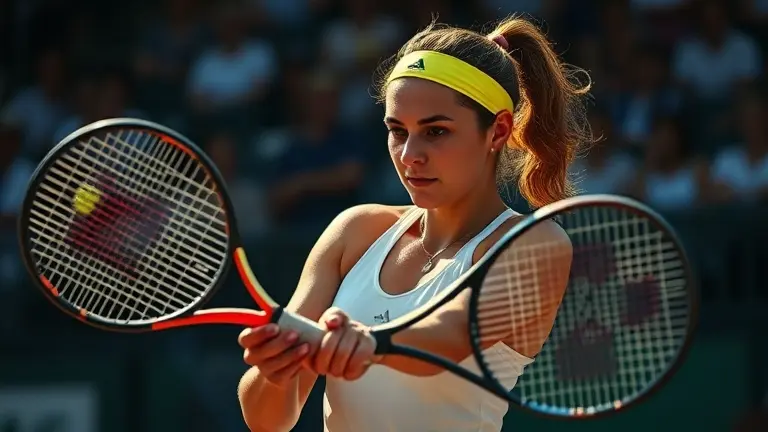
When Emma Raducanu stepped onto the clay at the Internationaux de Strasbourg on May 19, 2026, the expectations were high for a triumphant return to the WTA circuit. Sidelined since early March due to a persistent viral illness, the British star faced a daunting challenge against an in-form Diane Parry, fresh off a title run in Paris. While the three-set thriller ended in a loss for Raducanu, the scoreline tells only half the story. The match served as a stark reality check on the fragility of elite athleticism, highlighting the profound disconnect that occurs when long-term illness strips a world-class player of their match rhythm, timing, and baseline endurance.
This performance was not merely about a defeat; it was a granular case study in the physical toll of recovery. For tennis fans and analysts, the question is no longer just about when Raducanu will return, but how she can rebuild the metabolic resilience required to sustain top-tier intensity across a grueling Grand Slam schedule. As we look ahead to Roland Garros, it is clear that restoring consistent, high-level output after a health setback requires more than just practice sessions—it demands an optimized physiological foundation that can withstand the unpredictable demands of professional sport.
Analyzing Emma Raducanu’s Return: The Strasbourg Defeat to Diane Parry

On May 19, 2026, Emma Raducanu stepped onto the court at the Internationaux de Strasbourg for her first competitive appearance in two months. The British star had been sidelined since her last showing at Indian Wells in early March, battling a persistent viral illness that disrupted her training schedule and physical conditioning. While the return was highly anticipated, the result proved challenging, as Raducanu fell in a closely contested match to the rising French talent, Diane Parry. This loss highlights the immense difficulty of jumping directly into high-intensity WTA 500 competition after a prolonged health-related hiatus, where match rhythm and cardiovascular endurance are often the first elements to suffer.
Tactical Context and Momentum
The match served as a stark contrast in current form between the two competitors. Diane Parry entered the Strasbourg tournament with significant confidence, fueled by a successful campaign that saw her secure a title at the WTA 125 event in Paris. Her recent momentum was evident, as she maintained composure during crucial points against Raducanu. For the British number one, the match provided a vital, albeit difficult, assessment of her current fitness levels.
Key factors observed during the encounter included:
- Match Rust: The two-month absence was visible in Raducanu’s timing, particularly on her serve and defensive court coverage.
- Opponent Form: Parry’s ability to dictate play from the baseline capitalized on Raducanu’s inability to sustain long, high-intensity rallies throughout the duration of the match.
- Physical Recovery: While Raducanu demonstrated flashes of her trademark agility, the consistency required to close out a victory against an in-form player like Parry remains a work in progress as she prepares for the upcoming Grand Slam season.
Ultimately, this defeat is not merely a setback but a necessary recalibration point for Raducanu. As she shifts her focus toward the Roland Garros preparation, the technical and physical data gathered from this Strasbourg outing will be critical for her coaching team to refine her training load and intensity.
The Physiology of Recovery: Challenges After Prolonged Illness in Elite Tennis

The return of Emma Raducanu to competitive action at the 2026 Internationaux de Strasbourg serves as a sobering case study on the physiological demands placed on elite athletes following a prolonged viral illness. When a professional player is sidelined for two months—as Raducanu was following her last appearance at Indian Wells—the impact extends far beyond simple inactivity. The human body requires significant time to recalibrate its aerobic capacity, neuromuscular coordination, and metabolic efficiency after battling a systemic infection. Even when a player feels “recovered” enough to resume training, the high-intensity environment of a WTA 500 event demands a level of explosive performance that muscles and cardiovascular systems often struggle to replicate immediately.
The Erosion of Match Rhythm and Explosivity
For an athlete like Raducanu, the most immediate casualty of a long hiatus is “match rhythm.” This isn’t merely about hitting the ball cleanly; it is the subconscious ability to anticipate opponent movement and execute split-second tactical decisions under fatigue. Against a surging Diane Parry, who entered the match with the momentum of a recent title win, the physical disparity became evident.
Several physiological factors contribute to this “rust”:
- Neuromuscular Fatigue: Fine motor skills, essential for precision serving and touch shots, degrade when the central nervous system is recovering from viral stress.
- Glycogen Depletion: After extended illness, the ability of muscle fibers to store and efficiently burn glycogen under pressure is significantly compromised, leading to a “heavy” feeling during long rallies.
- Reactive Agility: The inability to sustain maximum burst speed in the later stages of a set often highlights the difference between match fitness and general training fitness.
Returning to the tour is a delicate balancing act. While the urge to dive back into the Grand Slam season is immense, the data from the Strasbourg loss suggests that the body requires more than just clinical health to perform at peak capacity. As Raducanu looks ahead to her next major challenges, the focus must remain on the gradual rebuilding of these physiological systems rather than the immediate results on the scoreboard. Consistency in training volume and monitored recovery protocols will be the determining factors in whether she can bridge the gap between post-illness rehabilitation and the elite intensity required for a successful clay-court campaign.
Statistical Deep Dive: Assessing Raducanu’s Performance Metrics
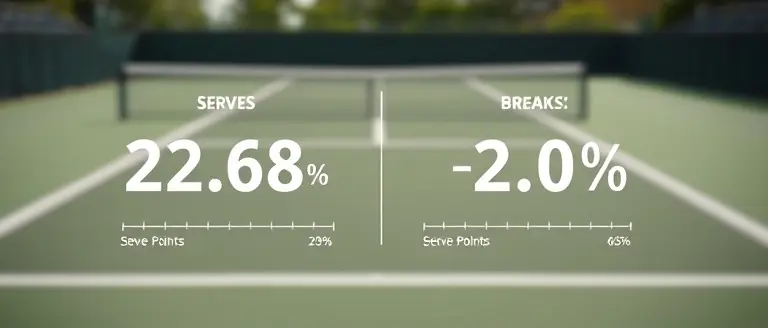
Analyzing the statistical output from the Internationaux de Strasbourg reveals significant insights into Emma Raducanu’s current physical and technical baseline. Following a two-month hiatus necessitated by a persistent viral illness, the metrics from her match against Diane Parry highlight both the residual effects of inactivity and the tactical challenges inherent in returning to elite-level clay-court tennis. While the final result favored the in-form Frenchwoman, a granular look at the data provides a more nuanced view of the Brit’s current state.
Key Performance Indicators (KPIs) and Match Readiness
The primary concern for analysts regarding the performance of Emma Raducanu centered on her movement efficiency and serve consistency. Evidence suggests that while her baseline groundstrokes retained much of their characteristic timing, her recovery speed after wide exchanges was hampered compared to her pre-Indian Wells form.
- First-Serve Percentage: Raducanu struggled to find a consistent rhythm behind her first delivery, which proved costly against an aggressive returner like Diane Parry. A lower-than-average conversion rate forced her into high-pressure second-serve scenarios, exposing her to shorter, more attackable balls.
- Break Point Efficiency: The ability to close out critical points remained a point of friction. Compared to her standard competitive average, her conversion rate on break points fell short, suggesting that “rust”—particularly in high-leverage moments—is the primary obstacle to her match fitness.
- Unforced Error Count: An increase in unforced errors during the middle sets indicated that her stamina—or the physical toll of a long layoff—impacted her decision-making process under pressure.
These indicators are not necessarily signs of long-term regression but are symptomatic of a truncated training cycle. As she looks toward the Grand Slam season, stabilizing her serve and narrowing the window of unforced errors will be the primary objectives for her coaching staff to ensure she returns to peak competitive viability.
Path to Roland Garros: Projections for the Clay-Court Season

The recent defeat of Emma Raducanu at the hands of Diane Parry in Strasbourg serves as a critical diagnostic moment rather than a career setback. As the tour pivots toward the clay of Roland Garros, the primary challenge for the British star is reconciling a two-month hiatus due to viral illness with the high-intensity demands of professional match play. Clay, by nature, requires extended rallies and superior physical endurance—areas where Raducanu’s movement currently lacks the fluidity seen prior to her Indian Wells departure. To regain her form, her team must prioritize match accumulation to sharpen her timing, as technical stroke production alone cannot replicate the reactive instincts required against top-tier clay-court specialists.
Strategic Adjustments for Recovery
For Raducanu to reach her potential at the French Open, she must address several key performance indicators identified during her return:
- Serve Efficiency: Stabilizing her first-serve percentage to avoid giving opponents like Parry early looks at break points.
- Movement Patterns: Reducing recovery time between lateral baseline exchanges to compensate for potential lingering fatigue from her recent illness.
- Aggressive Court Positioning: Utilizing her natural timing to dictate play earlier in the point, thereby shortening rallies and preserving physical energy during high-stakes matchups.
Realistic expectations for the upcoming Grand Slam should focus on incremental progress rather than immediate title contention. Because clay is a surface that punishes “rust” and lack of match fitness, the immediate goal for Raducanu is to survive early-round battles through tactical patience. The trajectory of Diane Parry, who entered this match with significant momentum after her WTA 125 win in Paris, highlights the benefit of consistent competitive reps. If Raducanu can bridge the gap in rhythm through practice sets and tactical discipline, she remains a dangerous floater capable of upsetting higher-ranked seeds who may underestimate her resilience. The path to Roland Garros is narrow, but a methodical approach to physical conditioning will be the deciding factor in whether she can translate her technical ability into deep tournament runs.
Optimizing Your Own Comeback to Peak Performance
The lessons from Emma Raducanu’s recent return to the court underscore a universal truth: true performance cannot be forced if the internal rhythm is off-balance. Whether you are an elite athlete struggling to regain baseline stability after an illness or an individual battling daily mental fog and exhaustion, the path to consistency lies in metabolic support. When the body faces prolonged stress, the resulting fluctuations in energy can leave you feeling as sidelined as a professional player lacking match fitness.
Just as Raducanu must address her physiological recovery to perform under pressure, you can reclaim your own focus and vitality by stabilizing your body’s internal systems. Sugar Defender acts as a foundational tool for those looking to eliminate the mid-afternoon energy crashes and mental fatigue that hinder productivity. By utilizing a blend of natural ingredients designed to promote consistent, all-day energy, you provide your body with the metabolic baseline necessary to excel, ensuring you aren’t just surviving your day, but mastering it with the sharpness required to win.
Don’t let fatigue dictate your potential. Take control of your energy levels, restore your cognitive clarity, and build the physical resilience you need to perform at your personal best every single day.
 Support your own metabolic recovery and eliminate those daily energy crashes; discover how Sugar Defender can help you stay consistent throughout your day.Transform My Life Today