
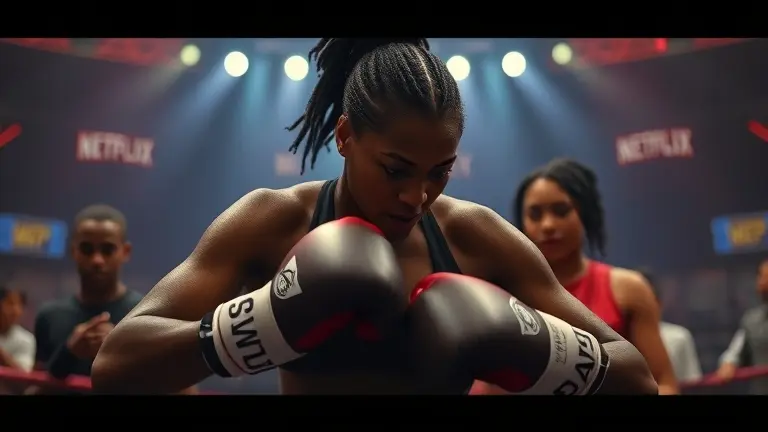
On May 18, 2026, the high-stakes atmosphere at the Intuit Dome shifted from athletic spectacle to public scandal. When Claressa Shields, a multi-division boxing powerhouse, reportedly confronted Alycia Baumgardner in a VIP area, the resulting slap didn’t just rattle the immediate crowd—it triggered a massive disciplinary response from Most Valuable Promotions (MVP). By issuing an indefinite ban on Shields, MVP has sent a clear, uncompromising message to the sports world: even the most elite athletes are not immune to the consequences of conduct that undermines the integrity of the sport.
This incident is more than a fleeting viral moment; it marks a critical pivot point in how cross-promotional events govern professional behavior. As boxing and MMA increasingly operate under shared banners, the industry is forced to reconcile the volatile, high-pressure environments of fight sports with the need for professional standards. This deep dive examines the professional rivalry between these two titans and questions whether the ‘indefinite’ status of Shields’ ban represents a necessary shift toward a more disciplined future for combat sports.
The Intuit Dome Incident: Decoding the Claressa Shields MVP Ban
On May 18, 2026, the highly anticipated MVP MMA 1 event at the Intuit Dome was overshadowed by an unexpected physical altercation involving two of boxing’s most recognizable stars. While the event was designed to celebrate the intersection of combat sports, the evening took a volatile turn in a restricted VIP area when Claressa Shields engaged in a physical confrontation with Alycia Baumgardner. Eyewitness accounts and subsequent reports indicate that the interaction escalated rapidly, resulting in Shields reportedly slapping Baumgardner. The incident, occurring in a high-profile, televised setting, drew immediate security intervention and triggered a swift administrative response from the event’s organizers.
Following the altercation, Most Valuable Promotions (MVP) issued a formal statement announcing an indefinite ban on Claressa Shields regarding all future MVP-affiliated events. It is critical for observers to distinguish the terminology used in this disciplinary action:
- Indefinite Ban: This implies that the prohibition is open-ended and will remain in effect until the promotion decides otherwise. It does not carry the permanent, unchangeable finality of a “lifetime ban.”
- Lifetime Ban: This is a definitive, permanent exclusion from all future participation, typically reserved for severe contractual breaches or egregious criminal conduct.
The decision to implement an indefinite ban serves as a protective measure for the promotion, allowing them the flexibility to evaluate potential legal ramifications and future professional conduct. While media coverage across outlets like ESPN and USA Today has been extensive, the distinction between these terms is vital. An indefinite suspension provides a window for potential reconciliation or further investigation, whereas a lifetime measure would preclude any possibility of future collaboration. As discussions regarding potential legal actions from Baumgardner continue to circulate, the Claressa Shields MVP ban remains a focal point for the industry, raising significant questions about the professional conduct expected of world-class athletes in the modern era of cross-promotional sports.
Beyond the Slap: The Deep-Rooted Rivalry Between Two Champions

The physical altercation at the Intuit Dome that ultimately triggered the claressa shields mvp ban was far from a spontaneous combustion. Rather, it served as the high-profile breaking point in a multi-year narrative defined by professional jealousy, ideological clashes, and a relentless war of words across social media platforms. While the boxing world was shocked by the public nature of the slap, those closely following the careers of both Claressa Shields and Alycia Baumgardner recognized the incident as an inevitable escalation of deep-seated friction between two of the most dominant figures in modern women’s combat sports.
A Clash of Public Personas
The rivalry is rooted in fundamentally different paths to stardom. Shields, the self-proclaimed “GWOAT” (Greatest Woman of All Time), has consistently leveraged her Olympic pedigree and vocal confidence to command the spotlight. Conversely, Baumgardner’s rise has been marked by a gritty, challenger-to-champion trajectory that has frequently intersected with Shields’ path, leading to frequent critiques of each other’s resumes and credibility. Key factors fueling this tension include:
- Differing Championship Pathing: Constant debates regarding the caliber of opposition faced by each fighter have plagued their interactions for years.
- Media and Social Commentary: The two have engaged in recurring digital spats, often taking jabs at each other’s fighting styles and public credibility.
- Competing for Limelight: Both athletes operate within a space where marketability is as important as ring generalship, leading to a perpetual struggle for dominance in the boxing media ecosystem.
This behavioral breakdown at an MVP event illustrates how, in an era where boxing and MMA platforms are converging, the professional boundaries for athletes are being tested. By imposing an indefinite ban on Shields, Most Valuable Promotions has signaled a zero-tolerance policy toward physical outbursts, effectively turning a long-standing personal rivalry into a cautionary case study regarding athlete conduct in the cross-promotional age. What began as verbal sparring behind screens has now permanently altered the landscape of how these two champions will interact within the industry moving forward.
Setting a Precedent: Evolving Standards for Athlete Conduct

The Claressa Shields MVP ban serves as a watershed moment for the professionalization of combat sports. As promotions move away from niche, gritty environments toward high-profile, global partnerships with streaming giants like Netflix, the tolerance for physical confrontations outside of the ring or cage is rapidly evaporating. When athletes operate under a massive media umbrella, the distinction between a “fight-selling persona” and actionable professional misconduct becomes a critical legal and financial liability. By implementing an indefinite ban, Most Valuable Promotions (MVP) has signaled that elite venues, such as the Intuit Dome, demand a level of corporate decorum that supersedes the traditional “bad boy or girl” marketing tropes often used to drum up interest.
The tension between organic rivalries and brand safety is now at the forefront of promotional strategy. While fans often crave the authenticity of an intense, heated atmosphere, the reality of hosting events at premium venues necessitates strict behavioral boundaries. The following factors highlight why the industry is shifting toward more rigid enforcement:
- Brand Integrity and Corporate Partnership: Major streaming platforms require stable, predictable environments to safeguard their reputation and ensure sponsor satisfaction.
- Liability Management: Physical altercations in VIP or public seating areas pose significant insurance and safety risks, forcing promoters to prioritize attendee security over athlete theatrics.
- Professionalism as a Requirement: Elite-level athletes are being held to higher standards of conduct, similar to those found in the NFL or NBA, where public outbursts are met with immediate administrative discipline.
This incident creates a clear case study in how promotions handle behavioral crises. By distinguishing between an indefinite ban—which allows for future review based on growth or apology—and a permanent exclusion, MVP maintains authority while leaving the door slightly ajar for reconciliation. However, the message remains clear: the future of modern, cross-promotional combat sports depends on athletes maintaining their competitive fire exclusively within the sanctioned confines of the contest, rather than bringing it into the spectator space.
Legal Repercussions and the Future of the Rivalry

The Claressa Shields MVP ban has introduced significant legal and professional variables that extend well beyond the immediate fallout of the physical altercation at the Intuit Dome. While Most Valuable Promotions (MVP) has officially categorized the sanction as “indefinite,” legal experts suggest that this status serves as a protective measure for the promotion against liability. Should Alycia Baumgardner choose to pursue civil litigation—a distinct possibility given the public nature of the battery—Shields could face substantial financial damages, which would further complicate her standing with other major promoters who prioritize brand stability.
Implications for a Potential Super-Fight
The indefinite nature of this ban creates a paradoxical hurdle for the long-rumored, high-profile matchup between these two champions. By barring Shields from any MVP-affiliated event, the promotion has effectively cordoned off one of the most lucrative platforms for a potential bout. Key considerations include:
- Promotional Deadlock: If the rivalry is to culminate in the ring, it would now likely require a neutral third-party promoter or a complete reconciliation between Shields and MVP, which currently seems unlikely given the company’s firm public stance.
- Contractual Risk: Other promoters may view Shields as a “high-risk” asset. The precedent set by the MVP ban signals that professional organizations are increasingly willing to sacrifice star power to maintain event security and corporate reputation.
- Insurance and Licensing: Beyond MVP, the incident may trigger reviews by state athletic commissions. Should commissions decide that the altercation constitutes a violation of professional conduct, Shields could face temporary suspensions that transcend specific promotional bans.
Ultimately, the power dynamic in women’s boxing has shifted. Baumgardner, as the aggrieved party in this incident, holds a stronger position to dictate the terms of any future engagement or settlement. The Shields-Baumgardner rivalry, once a purely competitive narrative, has now evolved into a complex legal and professional matter that may ultimately render a ring resolution impossible in the current sporting climate.
The Path to Cognitive Mastery
The incident at the Intuit Dome serves as a sobering cautionary tale about how easily emotional reactivity can dismantle a career built on years of physical excellence. While the intense rivalry between Shields and Baumgardner is a byproduct of their competitive spirits, the physical escalation highlights a broader challenge: maintaining peak composure when the pressure is at its absolute height. True professional greatness requires more than just raw athletic talent; it demands the mental fortitude to remain unclouded by external stressors and impulsive drives.
In high-stakes careers, cognitive clarity is the ultimate competitive advantage. This is where The Brain Song becomes an essential tool for the modern high-achiever. By utilizing advanced, neuroscience-backed auditory stimulation, this program helps athletes and professionals alike regulate emotional responses and sharpen their focus. It serves as the ideal bridge for those looking to master their mental state, offering a systematic way to achieve the calm, disciplined mind necessary to navigate high-pressure environments without succumbing to the heat of the moment.
If you are ready to move beyond reactive tendencies and embrace a new level of focus and mental resilience, it is time to invest in your own cognitive development. The same principles that keep elite performers grounded under pressure are now available to you.
 Learn how to master your own focus and cognitive clarity with the same neuroscience-based principles utilized by top-tier performers.Unlock My Cognitive Clarity Now