
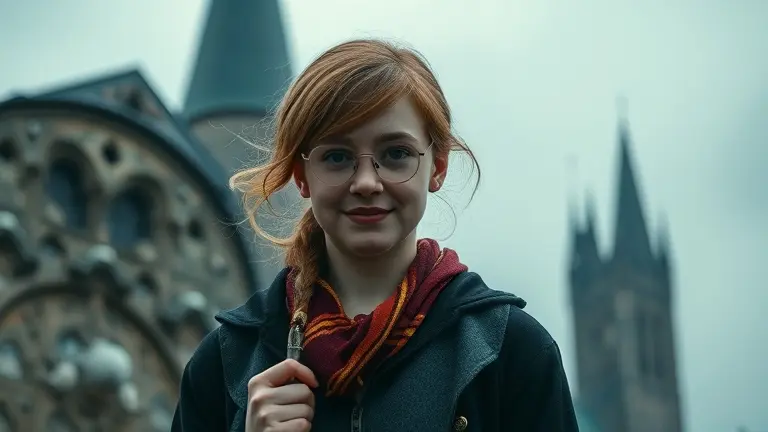
The anticipation surrounding HBO’s upcoming Harry Potter television series has reached a fever pitch, but a recent development has sent shockwaves through the fan community. On May 18-19, 2026, it was officially confirmed that Gracie Cochrane, originally cast as Ginny Weasley, will not return for the second season. While her family’s statement cites private “unforeseen circumstances” for her departure following the completion of the first season, the news has ignited intense speculation regarding the show’s continuity and the logistical hurdles of replacing such a pivotal character before her narrative arc truly begins to soar.
As the series prepares to adapt the sprawling scope of J.K. Rowling’s Wizarding World, the role of Ginny Weasley becomes increasingly central to the core plot from The Chamber of Secrets onward. This high-profile recasting serves as a critical moment for the production, raising essential questions about character development, franchise stability, and how HBO will manage this transition. Understanding the magnitude of these changes requires a sharp mind, especially as fans navigate the complex differences between the source material and the highly anticipated television adaptation.
Understanding the Transition: Gracie Cochrane’s Departure from the Harry Potter Series
On May 18-19, 2026, the entertainment industry was met with the official announcement that Gracie Cochrane, who had been cast as Ginny Weasley for HBO’s highly anticipated Harry Potter television series, will not be returning for the production’s second season. The news, which broke through major outlets like The Hollywood Reporter and Deadline, confirmed that Cochrane successfully completed all her required filming commitments for the inaugural season, which focuses on the events of Harry Potter and the Philosopher’s Stone. This timing ensures that the first season remains intact, providing continuity for the audience despite the sudden change in the casting lineup for future installments.
The statement issued by the actress’s family cited “unforeseen circumstances” as the primary driver for her departure. In accordance with professional standards and out of respect for the family’s privacy, HBO and representatives have refrained from offering further details regarding these personal matters. This situation has naturally sparked significant discourse regarding the Harry Potter TV show recasting process, as the franchise is a global phenomenon where character stability is generally expected. However, the production team now faces the logistical challenge of identifying a successor for a character whose screen presence and narrative complexity increase exponentially as the series progresses into Harry Potter and the Chamber of Secrets.
Key implications of this transition include:
- Production Continuity: Because Cochrane completed work for the first season, there is no immediate threat to the release or quality of the upcoming series premiere.
- Narrative Importance: The character of Ginny Weasley becomes a central figure as the story evolves, necessitating a seamless transition to ensure the emotional weight of her arc remains intact for viewers.
- Future Casting Strategy: HBO must now balance the need for a new performer who fits the established aesthetic of the show while ensuring they can carry the increasingly heavy workload required by the later seasons.
As the production team navigates this unexpected pivot, fans are left speculating on the potential candidates for the role. The industry will be closely monitoring official updates from HBO, as any announcement regarding a new casting will be pivotal in maintaining momentum for the series during this critical pre-release phase.
Why Ginny Weasley Is Vital to the Future of the Franchise

The recent news regarding Gracie Cochrane and the Harry Potter TV show recasting process highlights a significant production challenge for HBO. While Ginny Weasley remains a periphery figure in the series’ inaugural chapter, Harry Potter and the Philosopher’s Stone, her role undergoes a radical transformation as the narrative progresses. Understanding why this character is a critical linchpin for the overarching plot is essential to grasping why her transition to a new actress is more than a minor administrative adjustment.
In the source material, Ginny’s evolution is foundational to the series’ emotional stakes. Starting with The Chamber of Secrets, she serves as the primary victim of Tom Riddle’s diary, acting as the bridge between Harry and the dark secrets of Hogwarts’ past. As the story unfolds, her arc broadens:
- The Emotional Anchor: Beyond the plot-driven mysteries, Ginny evolves into a powerful witch and a central romantic interest for Harry, balancing his isolating responsibilities as the “Chosen One.”
- The Weasley Connection: As the youngest sibling of the Weasley clan, she provides a vital link between Harry and the family that ultimately serves as his chosen home.
- The Dumbledore’s Army Catalyst: Her growth from a shy, intimidated student into a courageous leader within Dumbledore’s Army is essential for the later installments, where the tone shifts toward full-scale rebellion against Voldemort.
Because HBO is adapting the books into a long-form series, the writers have the unique opportunity to lean into character development that was previously compressed in the film adaptations. Consequently, the production team requires an actress who can realistically embody this trajectory from childhood vulnerability to fierce, independent maturity. The departure of Gracie Cochrane creates a void that necessitates not just a lookalike, but an actress capable of anchoring one of the most complex emotional arcs in the entire Wizarding World. This casting decision is, therefore, a defining moment that will influence the audience’s investment in the series for years to come.
The Logistical Challenges of Recasting Child Actors in Long-Form TV
The recent news regarding Gracie Cochrane stepping away from the role of Ginny Weasley highlights the inherent complexities of managing a multi-season franchise that relies heavily on child actors. When a production as massive as the HBO Harry Potter TV show faces a cast change, it is often viewed as a sign of instability; however, industry standards suggest that these shifts are frequently logistical hurdles inherent to long-form storytelling. Maintaining continuity when an actor leaves, particularly for a character whose screen presence grows exponentially between the first and second installments, requires a strategic approach to script adjustment and narrative transition.
Balancing Continuity and Casting
Producers typically address these vacancies by weighing the benefits of an immediate recast against potential narrative workarounds. In the context of a faithful adaptation like the upcoming Wizarding World series, the character’s arc remains the primary anchor. Key logistical strategies often include:
- Script Re-alignment: If a character’s plot remains consistent, writers may utilize subtle time-jump mechanics or costume redesigns to ease the transition between the departure of the original actor and the introduction of a new performer.
- Production Continuity: Productions often rely on established casting directors to find talent who possess both the physical traits and the emotional maturity required to grow into the role as the series matures.
- Narrative Bridging: Rather than ignoring the switch, shows often lean into the visual shift during season premieres, allowing the audience to focus on the character’s evolution rather than the physical discrepancy.
While the Harry Potter TV show recasting process for the role of Ginny Weasley presents a sensitive challenge, it is a standard procedure in high-profile television. By prioritizing the character’s narrative importance, the production team can ensure that the transition remains seamless, ultimately protecting the integrity of the adaptation and satisfying the high expectations of the global fanbase. Successful franchises often overcome these obstacles by keeping the focus on the world-building and story-driven elements that fans value most.
Looking Ahead: Anticipation for the Harry Potter Television Adaptation
Despite the recent news regarding the harry potter tv show recasting of Ginny Weasley, the broader momentum for HBO’s highly anticipated adaptation remains firmly on track. The production team continues to prioritize a faithful, long-form translation of J.K. Rowling’s literary series, ensuring that each season maintains the high-quality standards fans expect from a prestige television endeavor. While the departure of Gracie Cochrane marks a transition for the ensemble, the project’s overarching creative vision for the Wizarding World remains undisturbed and firmly anchored in the source material.
Maintaining Narrative Consistency
The creative team is currently focused on the inaugural season, which meticulously covers Harry Potter and the Philosopher’s Stone. Production executives have reaffirmed that the narrative trajectory for the subsequent seasons—including the pivotal Harry Potter and the Chamber of Secrets—is moving forward with the same intensity and ambition initially outlined at the project’s inception. Key areas of focus for the upcoming development include:
- Deepened Character Arcs: Expanding on the nuances of the younger cast as they grow alongside their literary counterparts.
- Immersive World-Building: Utilizing advanced production design to capture the magical essence of Hogwarts in a way that episodic television allows.
- Strategic Casting Decisions: Implementing a rigorous search process to find a successor who can carry the emotional depth required for Ginny Weasley’s evolving role in later installments.
The commitment to bringing a definitive version of this franchise to the screen is evident in the meticulous attention to casting, set design, and script development. The focus remains on delivering an experience that honors the legacy of the original books while leveraging the unique advantages of the television medium. Fans can remain confident that the foundation of the series is solid, with a production roadmap that is designed to handle the complexities of long-term storytelling and the inevitable challenges of maintaining a high-profile ensemble cast.
Navigating the Future of the Wizarding World
The departure of Gracie Cochrane is more than just a casting headline; it represents a significant turning point in the production of a franchise that demands absolute narrative consistency. As HBO looks to cast the next actress to embody Ginny Weasley, fans are left to analyze not only the logistics of a recasting but the evolving character arcs that define the Harry Potter legacy. Diving into these complex histories of franchise continuity and character nuances requires significant mental sharpness; if you’re finding it hard to stay focused on these intricate plot details, you’re not alone.
To truly grasp the depths of these narrative transitions and compare the book arcs with the upcoming TV visuals, you need total cognitive clarity. The Brain Song is designed specifically to help you cut through the noise, providing the enhanced focus and mental acuity required to master every detail of the Harry Potter lore. By optimizing your learning capacity and eliminating brain fog, you ensure that you don’t miss a single beat of this historic television event.
Sharpen your analytical edge and prepare for the series launch with a tool that works as hard as your passion for the Wizarding World. Incorporating this daily 12-minute audio routine is the ultimate way to maintain your focus and deep-dive into the secrets of the series. Equip yourself with the clarity you deserve as we embark on this new chapter of the saga together.
 Sharpen your focus for the upcoming series launch and master every detail of the Harry Potter lore with The Brain Song—try the 12-minute daily audio routine today.Yes, I Want This Now!