
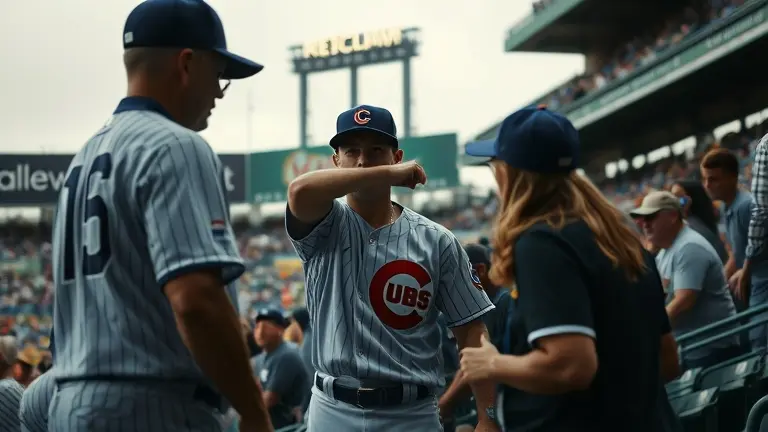
The flashbulbs and vitriol at Guaranteed Rate Field during the May 17, 2026, Crosstown Classic reached a boiling point that transcended standard stadium heckling. When Chicago Cubs outfielder Pete Crow-Armstrong, affectionately known to fans as PCA, engaged in a heated, expletive-laden verbal altercation with a fan, the incident became more than a viral clip—it became a lightning rod for the growing debate over professional decorum in the age of omnipresent cameras. As the lines between a high-stakes competitive environment and personal harassment continue to blur, the question remains: is the modern athlete being held to an impossible standard of emotional stoicism?
This incident is not merely an isolated outburst; it is a symptom of the intense regional toxicity inherent in storied rivalries like the Crosstown Classic. By examining the psychological toll of these volatile atmospheres and the increasing frequency of player-fan confrontations, we move beyond the headlines to address a critical reality. How can athletes maintain their professional edge and mental clarity when the environment around them is designed to trigger a primal, reactive response?
The Crosstown Confrontation: Breaking Down the PCA-Fan Incident
The atmosphere at Guaranteed Rate Field on May 17, 2026, was thick with the traditional animosity characterizing the Crosstown Classic. During this high-stakes series, Chicago Cubs outfielder Pete Crow-Armstrong—widely known by fans and teammates as PCA—found himself at the center of a viral moment that transcended typical game-day heckling. As tensions simmered between the two crosstown rivals, a verbal exchange escalated between the outfielder and a female fan situated near the field. While player-fan interactions are a standard, if often ignored, part of the MLB landscape, the intensity of this particular confrontation quickly gained traction across social media platforms, drawing immediate attention from national outlets.
Anatomy of the Escalation
The incident did not occur in a vacuum; it served as a flashpoint for the mounting pressure inherent in the Chicago rivalry. Key factors contributing to the escalation include:
- The High-Stakes Environment: Rivalry games consistently heighten emotional investment from both the spectators and the active roster.
- The “Jawing” Phenomenon: Rather than ignoring the provocation, PCA engaged with the spectator, a decision that has sparked a significant debate regarding the boundaries of professional conduct.
- Viral Amplification: The immediate circulation of handheld footage placed the interaction under a microscope, effectively removing any nuance from the split-second decision to retaliate verbally.
While Pete Crow-Armstrong has acknowledged his role in the exchange, the event underscores a growing trend of blurred lines in modern stadiums. As organizations review the security and etiquette standards surrounding player access, the Crosstown Classic incident serves as a stark reminder of how regional sports toxicity can shift from the diamond to the stands in an instant. The fallout highlights an ongoing struggle for athletes: balancing the “human” instinct to defend oneself against the rigid, media-monitored expectations of professional sportsmanship in the digital age.
The Toxicity of the Crosstown Rivalry: A Regional Pressure Cooker
The Crosstown Classic is more than just a series of baseball games; it is a cultural fault line that divides Chicago sports fans. Because the Chicago Cubs and the Chicago White Sox occupy the same city, the proximity of their fanbases creates a unique, high-intensity environment. Unlike regional rivalries that occur across state lines, this cross-town tension brings fans into direct, daily contact with one another. When players like Pete Crow-Armstrong—frequently referred to by fans as PCA—enter the opposing stadium, they are not merely facing an opposing team; they are entering a “pressure cooker” where decades of neighborhood bragging rights are on the line.
Why Chicago Baseball Fandom Intensifies Friction
The psychological impact of this proximity cannot be overstated. Stadium environments during these games often reach a fever pitch, where the “us versus them” mentality is amplified by the shared geography of the supporters. Several factors contribute to the heightened volatility seen in recent incidents:
- Geographic Overlap: Friends, coworkers, and family members are often split between the two clubs, turning every game into a referendum on personal loyalty.
- Media Saturation: Local sports media constantly fuels the fire, emphasizing the “Battle for Chicago” narrative that keeps players and fans in a perpetual state of defensiveness.
- Stadium Architecture: The design of venues like Guaranteed Rate Field brings fans closer to the field, physically reducing the barrier between professional athletes and the heckling public.
As the incident involving PCA demonstrates, this environment requires a heightened level of emotional regulation from athletes. While the Crosstown rivalry is a staple of Chicago’s identity, the rising toxicity suggests a shift in fan etiquette. When the line between passionate support and targeted verbal abuse blurs, it inevitably forces players into uncomfortable situations, challenging the standard of professionalism expected in Major League Baseball. Managing this regional pressure requires not only player composure but a broader reassessment of how sports organizations protect their personnel from increasingly aggressive spectator behavior.
Managing the Noise: Professional Composure in Hostile Arenas
The viral confrontation between Pete Crow-Armstrong (PCA) and a spectator at Guaranteed Rate Field has reignited a critical conversation within MLB front offices regarding player conduct and emotional regulation. For young stars emerging in high-pressure markets like Chicago, the ability to insulate oneself from personal vitriol is not merely a personality trait—it is a learned professional skill. Coaches and veteran leaders emphasize that in the modern era of social media-driven scrutiny, every interaction is captured, amplified, and frequently taken out of context. The organizational approach to coaching players like PCA involves rigorous mental conditioning aimed at identifying the line between competitive intensity and reactionary outbursts that can damage a brand’s public image.
Strategies for Emotional Regulation
Front offices now invest heavily in mental performance programs designed to help athletes maintain focus amidst the “Crosstown Classic” atmosphere, where regional rivalries often push fan behavior to the limit. When players encounter aggressive heckling, the standard organizational guidance typically focuses on three core pillars:
- Internal Neutrality: Developing “mental blinders” that allow players to prioritize the pitch or the play over the surrounding noise.
- The “Professional Distance” Protocol: Understanding that engagement with hecklers provides exactly the reaction those individuals seek, effectively rewarding poor stadium etiquette.
- Post-Game De-escalation: Utilizing support staff to debrief high-emotion moments, ensuring that frustrations are processed in private rather than on the field.
While fans often argue that athletes should have “thicker skin,” managers realize that the physical demand of the sport combined with the constant surveillance of smartphones creates a pressure cooker environment. The Chicago Cubs coaching staff and leadership teams must now weigh the reality of human emotion against the high stakes of professional optics. As the PCA incident demonstrates, the challenge lies in balancing a player’s right to defend their dignity with the stringent expectations of conduct in a billion-dollar entertainment industry. Ultimately, learning to navigate hostile away venues without escalating conflict remains a defining test of maturity for every rising superstar in the league.
Redefining the Fan-Player Contract: Where Does the Line End?
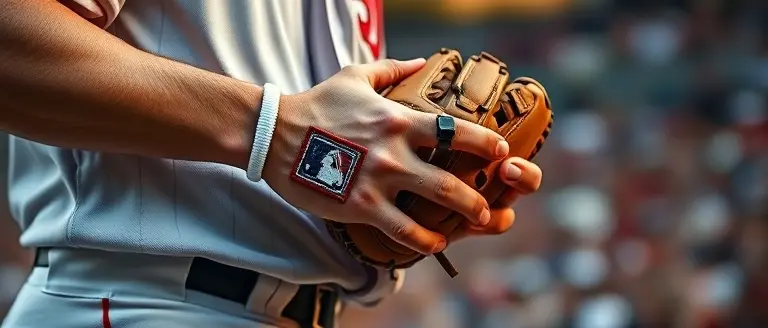
The recent incident involving Pete Crow-Armstrong (PCA) during the Crosstown Classic highlights a deteriorating social contract between spectators and professional athletes. In an era dominated by instant viral recordings, the boundary between spirited home-field advantage and outright harassment has become dangerously porous. When fans purchase a ticket, they buy a right to view the game and cheer—or jeer—within the confines of sportsmanship. However, the rise of “toxic fandom” suggests that some attendees believe the price of admission entitles them to dehumanize players. PCA’s decision to engage in a heated, expletive-laden exchange forces us to ask: at what point does a player’s workspace environment become untenable, and should they be expected to suffer verbal abuse in silence?
The Burden of Professional Composure
Modern athletes are taught that “tuning out the noise” is part of the job description. Yet, the physical proximity of baseball stadiums, specifically in high-tension environments like the rivalry between the Cubs and White Sox, creates a unique pressure cooker. Expecting PCA to remain a stoic statue while subjected to personal vitriol ignores the biological reality of human reaction to provocation.
- Institutional Responsibility: MLB franchises must determine if current stadium security protocols are sufficient to identify and eject fans who cross the line from banter into targeted harassment.
- The Viral Effect: Because every interaction is now recorded by smartphones, players are incentivized to react, knowing that a defensive response will likely be curated for social media, often stripping away the context of what the player endured before the camera started rolling.
- The Human Element: The “professional” label does not strip an individual of their right to self-respect. When fans utilize personal, discriminatory, or aggressive language, the expectation of “thick skin” becomes a justification for workplace bullying.
Ultimately, the responsibility of stadiums is to foster an environment where high-stakes athletic performance remains the focal point. Unless professional leagues implement clearer consequences for abusive fan behavior, incidents like the one involving Pete Crow-Armstrong will continue to escalate, potentially damaging the very spirit of the game that fans and athletes alike are meant to enjoy.
Mastering Your Mental Game Under Pressure
The incident involving Pete Crow-Armstrong serves as a stark reminder that even the most elite professionals are human, susceptible to the pressures of a hostile, high-decibel environment. Whether you are an athlete navigating public scrutiny or a high-performer facing intense workplace stress, the challenge of maintaining cognitive sharpness when emotions run high is universal. Moving past the viral drama requires us to focus on the proactive regulation of our own mental states, ensuring that external noise does not dictate our internal composure.
While PCA’s confrontation highlights the limitations of willpower alone, modern neuroscience offers a sophisticated path forward. High-pressure moments demand more than just grit; they require a targeted approach to neural discipline. This is where The Brain Song proves essential. By integrating this neuroscience-based auditory routine into your daily regimen, you can cultivate the same ‘in-the-zone’ focus that separates the masters of the game from the reactionary, effectively insulating your decision-making processes from environmental stressors.
Achieving emotional regulation is no longer a matter of trial and error; it is a measurable, actionable skill. By utilizing scientifically-backed methods to sharpen your focus and enhance your stress management, you gain the ability to stay calm and perform with precision, regardless of the chaos erupting around you. The next step in your mental performance journey starts here, providing you the cognitive edge necessary to thrive in any environment.
 Discover how to sharpen your mental focus and stay calm under pressure with this neuroscience-based auditory routine.Yes, I Want This Now!