
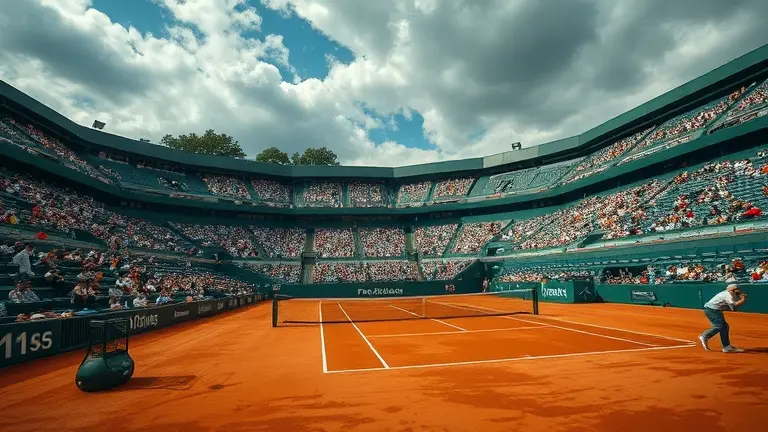
The red clay of Paris is calling. As the Roland Garros 2026 tournament officially kicks off with the intense Qualifying Week from May 18 to 23, the stakes have never been higher for both the under-the-radar athletes and the analytical fans tracking every bounce of the ball. With the main draw set to begin on May 24, now is the moment where true tennis connoisseurs identify the breakout stars who possess the tactical grit to master the surface. Whether you are navigating the updated security protocols at the gates or diving into complex betting odds, the difference between a casual viewer and a master strategist lies in your ability to remain sharp amidst the relentless pressure of the court.
This year’s French Open demands more than just passion; it requires peak mental endurance. As we track the qualifying matches and prepare for the main event, the demand for sustained concentration to analyze clay-court dynamics is immense. Navigating the logistics of the tournament and the volatility of live betting requires an unwavering focus that can easily be derailed by the mid-day energy dips that plague even the most dedicated enthusiasts.
Roland Garros 2026: Qualifying Week and Tournament Overview
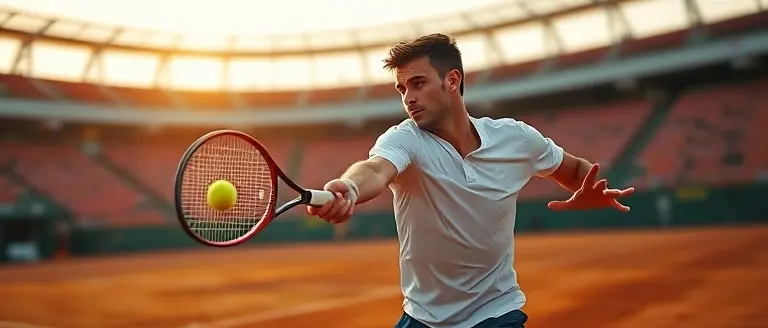
The Roland Garros 2026 tournament is officially underway, with the tennis world turning its attention to Paris as the prestigious clay-court season reaches its apex. As of May 18, the event has entered its intense Qualifying Week, a critical six-day period running through May 23. During this stage, hundreds of hopefuls compete on the iconic red dirt, battling for one of the coveted spots in the main draw. This year’s qualifying phase is particularly high-stakes, as players must adapt to the unique tactical demands of the surface—specifically the high bounce and sliding requirements—to survive against deep-court specialists. Fans tracking the Roland Garros 2026 live schedule should note that the results from these matches directly dictate the landscape of the opening rounds for the top seeds.
The Road to the Main Draw
Following the conclusion of the qualifying rounds, the tournament shifts gears into the main draw, which commences on May 24 and runs through June 7, 2026. This transition marks the shift from the underdog narratives of the qualifiers to the high-pressure environment of grand slam competition. For those planning to attend or follow the action, key dates include:
- Qualifying Rounds: May 18–23, serving as the proving ground for rising talent.
- Main Draw Commencement: May 24, where world-class stars headline the opening matches.
- Tournament Final: June 7, concluding the event on the famed Philippe-Chatrier court.
The shift to the main draw brings intensified scrutiny on player form, especially with recent news of injuries impacting the field. As the French Open 2026 progresses, the surface quality remains a decisive factor; the slow, heavy clay favors defensive players and those with superior movement. Attendees and viewers alike are encouraged to monitor the Roland Garros 2026 qualifying results closely, as several under-the-radar qualifiers are already showing the form necessary to disrupt the established hierarchy in the opening rounds of the main tournament.
Qualifying Round Watchlist: Breakout Stars to Follow

The Roland Garros 2026 qualifying tournament acts as the ultimate proving ground, where grit and tactical clay-court discipline often outweigh sheer ranking. As the qualifying rounds unfold from May 18–23, the focus for scouts and hardcore enthusiasts shifts toward players who possess the specific “clay-court engine”—the ability to slide effectively, manage patience during long rallies, and utilize heavy topspin to neutralize opponents. Navigating the French Open 2026 qualifiers requires more than just raw power; it demands a psychological resilience to survive the grueling best-of-three format under the watchful eye of Parisian crowds.
Players Poised for a Main Draw Breakthrough
While the main draw captures the spotlight starting May 24, several under-the-radar athletes have demonstrated exceptional form on European red clay leading up to this event. Keep a close watch on these emerging prospects as they fight for their spot:
- The Baseline Grinders: Look for rising young talents who have dominated recent Challenger-level clay events. Their defensive consistency is optimized for the slower Parisian surface, making them potential spoilers for higher-ranked main-draw seeds.
- The Former Junior Champions: Transitioning from the junior circuit to the professional ranks, these players often carry high confidence and a tactical fearlessness that can disrupt veteran players relying on static game plans.
- The Clay-Court Specialists: A specific cohort of players has spent the last two months exclusively on clay. This specialization often results in superior movement patterns and better depth control compared to those transitioning from the hard-court season.
Tactical analysis suggests that players who prioritize heavy spin variations and high-percentage serves are finding the most success in the opening rounds. As these athletes push through the qualifying bracket, their ability to shorten points while maintaining control will be the defining factor in determining who successfully secures a position in the final tournament field. Follow these rising stars closely; for many, this is the first step toward a significant ranking jump and a career-defining performance on the world’s most prestigious clay stage.
French Open 2026 Attendee Guide: Security and Logistics
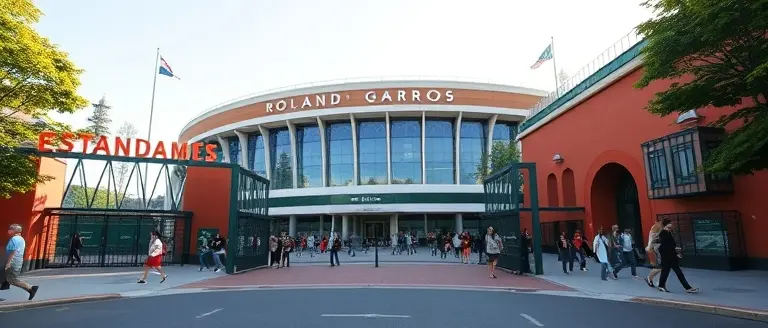
Attending Roland Garros 2026 in Paris requires more than just securing a seat; it demands careful preparation to navigate the tournament’s stringent security and logistical frameworks. As the event kicks off with its qualifying rounds from May 18 to May 23, spectators should be aware that the French Tennis Federation has implemented enhanced security protocols across the grounds. To ensure a seamless entry process, attendees are strongly advised to arrive at least 90 minutes before their first scheduled match. All bags will undergo mandatory screening at the perimeter checkpoints, and prohibited items—including large backpacks, glass containers, and professional camera equipment—will be strictly confiscated without exception.
Protecting Your Investment: Avoiding Ticket Fraud
With the high demand for French Open 2026 tickets, digital security is a top priority for organizers. To avoid falling victim to fraudulent resales, spectators must exclusively use the official Roland Garros ticketing platform or the tournament’s authorized secondary market. Evidence suggests that unauthorized third-party sites frequently issue invalid QR codes that fail at the stadium gate.
- Verification: Always double-check that your ticket displays a unique, encrypted barcode that refreshes periodically within the official tournament app.
- Official Sources: Do not purchase tickets via social media marketplaces or unverified resellers, as these are the primary vectors for counterfeit entries.
- Digital Wallets: Save your tickets to your mobile wallet prior to arrival to avoid connectivity issues near the gates.
Navigating Stadium Checkpoints Efficiently
Moving through the Roland Garros 2026 gates requires patience and adherence to the updated security flow. To expedite your movement, keep your physical or digital identification ready for inspection alongside your ticket. Security personnel are enforcing “no-reentry” policies for certain categories of passes, so verify your specific access level before leaving the complex. By remaining aware of these logistics, you can focus on the premier clay-court action as the event transitions into the main draw starting May 24.
Roland Garros 2026 Live Updates: Scores, Upsets, and Tactical Analysis
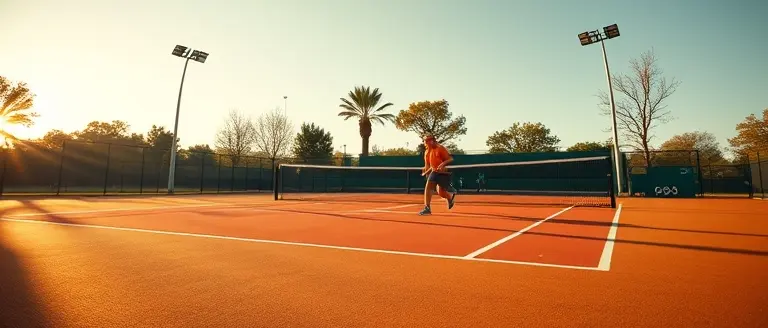
As the Roland Garros 2026 qualifying rounds intensify from May 18 to May 23, the clay courts of Paris are already serving up high-stakes drama. Tracking Roland Garros 2026 live scores and navigating the preliminary bracket requires a combination of official tournament resources and expert tactical intuition. Fans aiming to stay ahead of the curve should utilize the official tournament website for real-time match progression, while those seeking deeper insights can look to analytical aggregators that track player movement, unforced error rates, and surface-specific performance data.
Tactical Breakdowns of the Clay Surface
The 2026 red clay presents unique challenges that differentiate it from the hard court season. Success on this surface relies heavily on spin-heavy groundstrokes and exceptional defensive sliding. Our daily analysis focuses on:
- Spin Rate Efficiency: How players are using high-RPM shots to disrupt opponents’ timing.
- Baseline Endurance: Tactical fatigue management during long, grueling rallies.
- The “Slider” Advantage: Identifying players whose movement patterns are perfectly suited to the slower, high-bounce characteristics of the 2026 Paris surface.
Identifying Potential Breakout Stars
The qualifying stage is where tomorrow’s legends often topple today’s veterans. By monitoring early results, we can pinpoint under-the-radar qualifiers who possess the technical grit required to survive the main draw. Key indicators of a potential upset include a high first-serve percentage and the ability to dictate play from the corners. As we transition toward the main draw beginning on May 24, we will continue to provide live commentary, spotlighting the players whose match preparation and court positioning suggest they are ready for a deep run in the French Open 2026. Stay tuned for updated brackets and professional commentary on the shifting dynamics of the field.
Master the Clay: Fueling Your Tournament Strategy
As the qualifying rounds of Roland Garros 2026 reach their boiling point, your ability to process tactical shifts and real-time data will dictate your success as an informed fan. Much like the elite athletes grinding through three-set matches on the clay, you require metabolic consistency to maintain peak performance during these long sessions of intense observation. When the mental fatigue of tracking multiple scores sets in, it is your focus that must remain unyielding.
This is where Sugar Defender becomes your ultimate performance optimizer. Just as players rely on physical efficiency to survive the grueling tournament environment, you can utilize this supplement to stabilize your energy levels and ensure laser-sharp cognitive clarity. By preventing the brain fog that often accompanies hours of complex analysis, Sugar Defender allows you to stay fully immersed in every crucial point, ensuring you never miss the subtle indicators that reveal the tournament’s next big upset.
Don’t let fatigue compromise your expert analysis of the 2026 French Open. Equip yourself with the right tools to sustain your concentration from the first serve of the qualifiers to the final championship match.
 Power your 2026 French Open experience with Sugar Defender—stay sharp for every point of the qualifiers.Yes, I Want to Stay Sharp Now!