
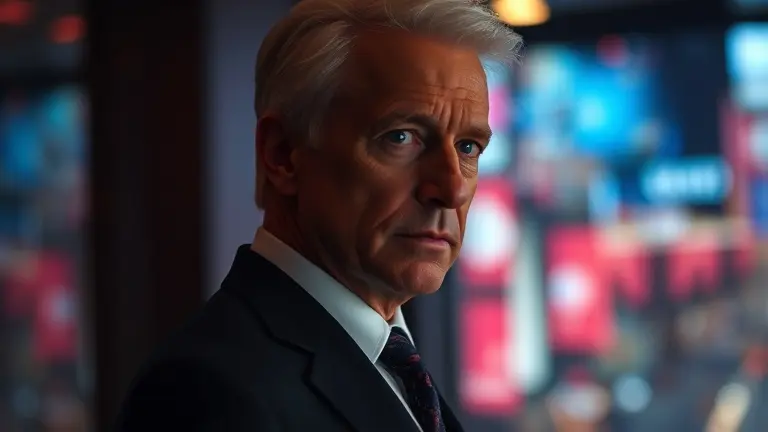
The broadcast landscape shifted irrevocably on May 17, 2026, when Anderson Cooper delivered his final, emotion-charged sign-off from the storied desk of 60 Minutes. After a nearly two-decade tenure that defined an era of television journalism, Cooper’s departure was framed not as a retirement, but as a strategic pivot to balance his primary anchoring role at CNN with the demands of fatherhood. Yet, beneath the surface of this personal milestone lies a broader, more turbulent reality: the ongoing struggle for editorial independence and the immense cognitive strain facing media figures at the highest level of American news.
Cooper’s exit has ignited a firestorm of speculation, serving as a symbolic touchstone for the perceived institutional shifts within CBS News. As audiences grapple with the evolving identity of legacy networks, this transition prompts a critical question: what does it truly take to maintain objective, high-stakes clarity in an age of constant information volatility? Understanding the implications of this departure requires looking past the sentimentality to examine the intersection of journalistic integrity, professional burnout, and the persistent, high-pressure demands of the digital-first era.
Anderson Cooper’s Final Sign-Off: A Defining Moment for 60 Minutes
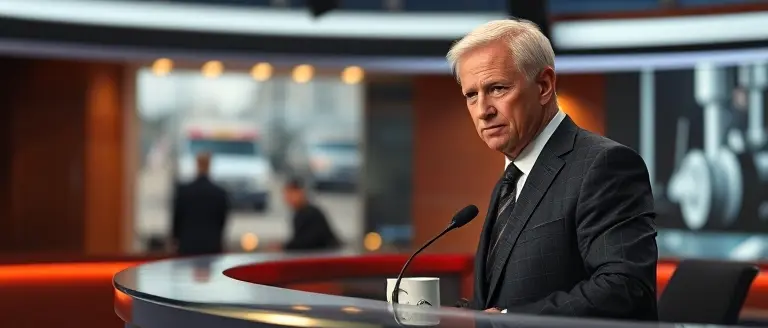
On May 17, 2026, the landscape of American broadcast journalism shifted as Anderson Cooper officially concluded his nearly two-decade tenure at the iconic CBS newsmagazine, 60 Minutes. During the program’s season finale, Cooper delivered a poignant and reflective final sign-off, marking the end of an era for one of television’s most respected investigative platforms. His departure was not merely a career pivot but a high-profile exit that captivated the US media industry, drawing widespread attention from major outlets including The Hollywood Reporter and USA Today.
Balancing Personal Priorities and Professional Rigor
Cooper was transparent regarding the primary drivers behind his departure. During the broadcast, he emphasized that the decision was a deliberate effort to achieve a sustainable work-life balance. Specifically, the veteran journalist cited:
- The increasing demands of his primary anchoring role at CNN.
- His personal commitment to prioritizing his responsibilities as a father.
- The physical and mental toll of maintaining simultaneous, high-pressure roles across two major networks.
The emotional tone of the episode underscored the deep mutual respect between Cooper and the 60 Minutes institution. He described his tenure as a “hell of a ride,” taking a moment to acknowledge the program’s storied history and the necessity of its continued journalistic independence.
A Symbolic Departure in a Volatile Media Climate
The public reaction to the Anderson Cooper 60 Minutes departure has been intense, fueled by ongoing discourse regarding the state of CBS News. Industry analysts are interpreting the exit through the lens of recent network volatility, contrasting Cooper’s emphasis on editorial rigor with broader concerns about shifting corporate and political influences within legacy media. By stepping away, Cooper has prompted a national conversation about the sustainability of traditional journalism, leaving behind a legacy defined by his commitment to truth-seeking in an increasingly fractured media landscape.
The Balancing Act: Personal Priorities in a High-Stakes Career

The Anderson Cooper 60 Minutes departure serves as a poignant case study in the evolving priorities of modern media icons. For decades, the career trajectory of a high-profile anchor was defined by an unrelenting climb—a relentless pursuit of screen time across multiple platforms. However, Cooper’s decision to step away after a nearly 20-year tenure signals a broader, industry-wide shift where the “burnout” inherent in 24/7 news cycles is being met with a push for work-life integration. By choosing to consolidate his professional focus on his primary role at CNN while prioritizing his responsibilities as a father, Cooper reflects a growing trend among public figures who are increasingly unwilling to sacrifice personal milestones for the sake of institutional prestige.
Navigating the Human Element in Modern News
The tension between demanding newsroom environments and the personal needs of veteran journalists has become a central theme in contemporary media studies. Legacy networks like CBS face mounting pressure to retain talent who are no longer interested in the “always-on” grind that defined the industry’s golden age. This transition toward prioritizing family and mental well-being highlights several critical dynamics:
- Revaluation of Professional Identity: High-profile journalists are increasingly defining their worth through impact and quality of life rather than sheer volume of appearances.
- Generational Shifts in Leadership: There is a departure from the traditional “career-first” mentality, with younger and mid-career professionals demanding more sustainable work environments.
- The Cost of 24/7 Connectivity: The digital era’s demand for constant, immediate coverage creates a psychological burden that even the most seasoned anchors, like Cooper, are now choosing to mitigate.
This move is not merely a lifestyle choice; it is a strategic maneuver that highlights the fragility of legacy media. As anchors seek to align their professional contributions with their internal values, organizations must adapt or risk losing the very voices that provide them with institutional credibility. Cooper’s departure marks a symbolic moment, suggesting that even at the pinnacle of broadcast journalism, the most sustainable career path is one that creates space for the human experience.
Media Landscape in Flux: What Cooper’s Departure Says About CBS News

The anderson cooper 60 minutes departure is widely viewed by media analysts as more than a simple career pivot; it serves as a symbolic barometer for the current health and editorial direction of CBS News. For nearly two decades, Cooper represented a bridge between traditional investigative journalism and the modern era of television news. His exit, occurring against a backdrop of significant network volatility, has sparked widespread concern regarding the preservation of editorial independence within legacy institutions. As CBS navigates a period marked by leadership transitions and debates over perceived political shifts—often described in public discourse as a “MAGA-coded” evolution—Cooper’s departure underscores a growing tension between historic institutional standards and the pressures of a polarized media environment.
Symbolic Shifts and Institutional Anxieties
The timing of this departure has amplified public scrutiny of the network’s long-term strategy. Observers note that Cooper’s tenure was defined by a commitment to rigorous, independent reporting, a hallmark of the 60 Minutes brand. His final remarks, which emphasized the necessity of maintaining the program’s unique standards, suggest a pointed awareness of the challenges facing the network today. Several key factors currently driving this media discourse include:
- Editorial Autonomy: Growing public skepticism regarding the influence of corporate and political interests on newsroom decision-making.
- Legacy Brand Integrity: The ongoing struggle for traditional news organizations to maintain their perceived neutrality in an era of hyper-partisan media consumption.
- Talent Retention: The difficulty of keeping high-profile, credible journalists who prioritize journalistic integrity above shifting corporate directives.
Evidence suggests that the public reaction is rooted in a desire to see legacy networks like CBS remain bastions of objective reporting. By stepping away, Cooper has inadvertently highlighted the fragility of this mission, leaving viewers to wonder if his departure marks the end of an era or the beginning of a broader transformation at the network. Ultimately, this move forces a necessary conversation about how legacy media can survive in a landscape where institutional trust is at an all-time low.
Journalistic Rigor vs. The Politically Charged Modern News Era

The intense public reaction surrounding the Anderson Cooper 60 Minutes departure transcends the typical nostalgia associated with veteran broadcast anchors leaving a flagship program. Instead, his exit is being interpreted as a symbolic inflection point for American legacy media. For nearly two decades, Cooper represented a bridge between traditional, objective investigative journalism and the high-stakes, personality-driven demands of modern cable news. His departure has inadvertently cast a spotlight on the shrinking space for neutral, rigorous reporting within an industry increasingly defined by fierce political polarization.
The Erosion of Media Prestige
Audiences appear to be mourning more than just a familiar face; they are reacting to the perceived degradation of “prestige” journalism—a standard that prioritizes editorial independence above partisan influence. As debates swirl regarding network shifts, including concerns over “MAGA-coded” editorial pressures and leadership instability, Cooper’s departure serves as a litmus test for the values viewers still expect from organizations like CBS.
The growing public anxiety is fueled by several critical factors:
- Editorial Independence: A palpable fear that corporate or political interests are quietly compromising the investigative autonomy that once defined prime-time news.
- The “Prestige” Deficit: A struggle among viewers to find news sources that remain unaligned with the increasingly toxic divide in US politics.
- Institutional Volatility: The sense that legacy institutions are struggling to maintain their foundational integrity during periods of leadership churn and internal controversy.
Ultimately, Cooper’s exit emphasizes a transition in the media landscape where the demand for independent, rigorous verification is clashing with the volatile, politically charged reality of modern broadcasting. By citing the need for balance and independence in his final sign-off, Cooper touched upon a collective anxiety: that the era of the non-partisan, universally trusted reporter is becoming a relic of the past, leaving a void that current networks are failing to fill.
Mastering Your Mental Clarity in a Changing Media Era
Anderson Cooper’s exit from 60 Minutes serves as a profound reminder that even the most seasoned professionals must navigate the heavy cognitive toll of an increasingly volatile information landscape. His decision highlights a growing tension: the need to maintain rigorous journalistic standards while managing the sheer, relentless exhaustion of keeping pace with a 24-hour news cycle. It is not merely about changing jobs; it is about recognizing the limits of human focus and the necessity of prioritizing one’s own cognitive health.
Much like the intense mental demands placed on high-profile journalists, our own daily focus is frequently fragmented by the constant noise and rapid shifts of the modern world. Maintaining a sharp, intellectual edge in such an environment requires more than willpower; it demands a deliberate approach to cognitive maintenance. By integrating science-based tools into your routine, you can navigate these transitions with the same precision and clarity that defining moments in history require.
This is where The Brain Song becomes an essential asset for the modern professional. Designed to optimize brain function and sustain focus during periods of high-stress information intake, it acts as a sophisticated cognitive anchor. It is the natural next step for those who demand peak performance and clarity, allowing you to reclaim your attention and operate with sustained intellectual rigor despite the external chaos.
 Optimize your own mental acuity and reclaim your focus by integrating this neuroscience-based audio routine into your daily schedule.Yes, I Want My Mental Edge Now!