

As of May 18, 2026, the Long Island Rail Road (LIRR) remains at a total standstill, leaving thousands of commuters to navigate a landscape of uncertainty as the historic labor dispute between the MTA and rail unions enters its second day. With service suspended and the Monday morning rush hour looming as a critical test of regional infrastructure, the frustration of being stranded is compounded by the confusion surrounding bargaining demands and the lack of clear transit alternatives. Whether you are battling gridlock on the LIE, searching for shuttle connections, or scrambling to adjust to a sudden shift to remote work, the lack of reliable transit has turned everyday routines into significant logistical hurdles.
This guide is designed to help you regain control. Beyond the headlines of the standoff between the MTA and union leaders, our mission is to provide you with the actionable resources needed to navigate these disruptions. From mapping out emergency travel routes to strategies for maintaining your professional focus while working from home, we are here to ensure that this transit crisis does not dictate the quality of your output or the state of your mental well-being until service is finally restored.
Current Status: Understanding the May 2026 LIRR Service Suspension
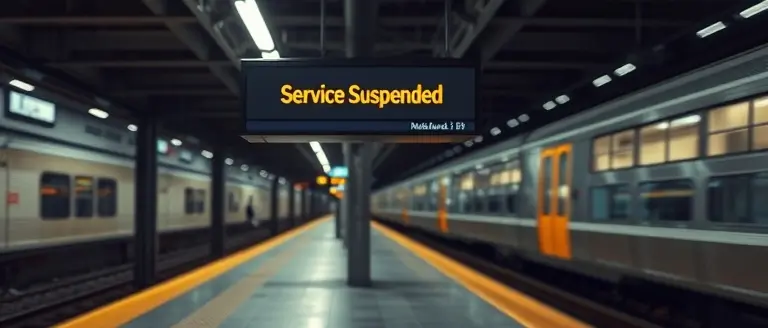
As of today, May 18, 2026, the Long Island Rail Road (LIRR) remains in a state of total service suspension, marking a critical moment for the region’s transportation infrastructure. The labor action, which officially commenced on May 16, 2026, has brought all commuter train operations to a complete standstill. This unprecedented halt has left hundreds of thousands of daily commuters scrambling for alternatives as the MTA strike continues to create logistical gridlock across the Long Island corridor. The situation is increasingly dire as the stoppage enters its third day, effectively crippling the highly anticipated Monday morning rush hour and forcing businesses and schools to brace for significant disruptions.
The Path to Mediation
The standoff between the Metropolitan Transportation Authority (MTA) and the labor unions has reached a high-stakes impasse, prompting intervention from the National Mediation Board. Federal mediators have scheduled urgent, renewed talks for this morning in an effort to bridge the widening gap between the two parties. While New York Governor Kathy Hochul has publicly urged all stakeholders to return to the bargaining table to reach a swift resolution, the political climate remains contentious. Amidst accusations and finger-pointing regarding responsibility for the deadlock, the following key factors define the current environment:
- Service Impact: Total cessation of all LIRR branch lines and services, with no current estimates for a resumption of normal operations.
- Negotiation Status: Formal mediation sessions are underway today, May 18, under the guidance of the National Mediation Board.
- Political Response: Tense exchanges between state officials and union representatives have slowed the momentum toward a compromise.
- Public Urgency: The Monday morning commute remains the primary pressure point for both transit authorities and the local economy, as the LIRR strike 2026 threatens to persist if a contract agreement is not reached immediately.
Travelers are strongly advised to monitor official channels for real-time updates as the results of today’s mediation process are expected to dictate the viability of the transportation network for the remainder of the week.
Essential Commuter Guide: Navigating Alternative Routes
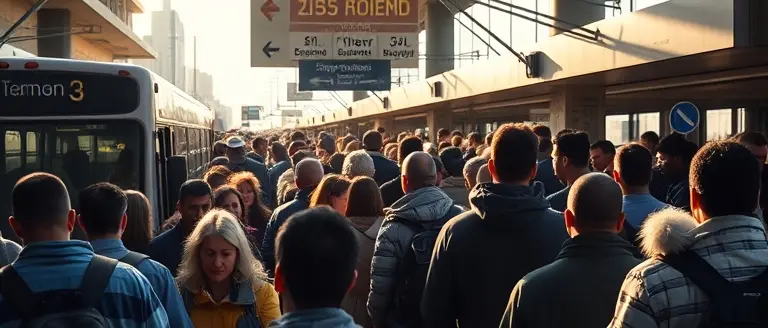
With the Long Island Rail Road strike resulting in a full system shutdown, commuters must pivot to alternative transit strategies to reach New York City. As the MTA works to manage the fallout of this labor impasse, the most reliable way to navigate the region is through a combination of express buses, ferry services, and increased carpooling efforts. Since this LIRR strike 2026 event has halted all train operations, public infrastructure is under extreme pressure, making it vital to plan your journey at least 24 hours in advance.
Optimized Alternatives for Stranded Commuters
To mitigate the impact of the service suspension, consider these immediate travel alternatives:
- Expanded Bus Services: The MTA has deployed temporary bus bridge configurations on critical corridors. Check the official MTA transit app for real-time adjustments to express bus routes connecting suburban hubs directly to Midtown Manhattan.
- Ferry Options: Many commuters are finding success by utilizing private and public ferry services from North Shore terminals. These vessels bypass the gridlock on major highways like the Long Island Expressway and Grand Central Parkway, though terminals are experiencing significant wait times.
- Carpooling and Coordination: Given the high volume of traffic, consider using regional carpooling apps to coordinate rides into the city. High-occupancy vehicle (HOV) lanes are being strictly enforced, and carpooling is the most efficient way to utilize these restricted paths.
- Work-From-Home (WFH) Flexibility: If your job allows, employers are highly encouraged to permit remote work until a resolution is reached via the National Mediation Board. Reducing the number of vehicles on the road is the single most effective way to help the regional transit system remain functional during this mta strike.
Stay informed by monitoring local news outlets and the MTA’s live service alert portal. As negotiations are scheduled to resume, be prepared for sudden changes in transport availability as the system slowly attempts to recover from the current deadlock between the Long Island Rail Road unions and management.
Work-from-Home and Employer Policy Advice

As the LIRR strike 2026 enters its second day, the total suspension of service across the Long Island Rail Road network has left thousands of daily commuters scrambling for alternatives. For those whose roles allow for flexibility, transitioning to remote work is the most viable path to maintaining productivity while avoiding the gridlock expected during the Monday morning rush. If your employer has not yet issued a formal transit contingency plan, it is imperative to proactively initiate a conversation regarding remote work accommodations. When requesting work-from-home status, clearly outline your ability to meet deadlines, your access to secure internet, and your availability during standard business hours. Documentation is key; keep a record of your communication with management, including email timestamps or HR policy requests, to provide evidence of your effort to remain operational despite the MTA strike-related travel restrictions.
Best Practices for Remote Work and Communication
To ensure a smooth professional transition while the MTA and labor unions remain at a deadlock, consider the following strategies to manage expectations:
- Be Proactive: Do not wait for your commute to fail before contacting your supervisor. Send a formal request or status update as early as possible on Monday morning, explicitly referencing the long island railroad strike as the primary reason for your request.
- Use Clear Templates: When emailing management, use concise language such as: “Due to the current LIRR strike and the resulting total service suspension, I am currently unable to safely commute to the office. I am fully prepared to work remotely and have confirmed all my deliverables are on track for today.”
- Establish Availability: Set clear “office hours” in your calendar status to inform colleagues of when you are reachable via digital channels, which helps reduce anxiety regarding potential absenteeism.
- Prioritize Essential Tasks: Focus on high-impact projects that require digital collaboration, as the loss of face-to-face meeting time can be mitigated through clear, written documentation of your progress.
If remote work is impossible, consult your employee handbook regarding “force majeure” or transit-related absenteeism policies. Employers should be encouraged to provide grace periods for staff arrivals, as road congestion is expected to increase significantly as commuters seek alternative routes into New York City. Clear, empathetic, and documented communication is your strongest asset while awaiting news from the National Mediation Board.
Deep-Dive: The Core Issues Behind the Bargaining Impasse

The current Long Island Rail Road strike represents a critical breakdown in labor relations between the MTA and organized union workers. While the immediate suspension of service has paralyzed the region, the underlying causes are rooted in long-standing tensions regarding the economic stability of the workforce. At the heart of the impasse are three primary pillars of negotiation: wage adjustments, healthcare coverage, and pension contribution structures. Union representatives argue that current compensation levels have failed to keep pace with the rising cost of living in the New York metropolitan area, while the MTA maintains that it must balance fiscal responsibility with the necessity of keeping fares affordable for the public.
Key Drivers of the Labor Dispute
The complexity of the lirr strike 2026 arises from the difficulty in aligning these competing institutional priorities. Negotiations frequently stall when parties reach a stalemate over the “pattern” of wage increases established by other public sector unions. Historically, these disputes center on:
- Wage Growth: Unions are seeking multi-year salary increases that reflect current inflationary pressures, aiming to secure long-term financial security for employees.
- Health and Welfare Funds: Discussions involve the employer’s share of premium costs, with unions pushing to maintain current benefits against proposed shifts in cost-sharing models.
- Work Rules and Pension Contributions: There is significant disagreement over proposed changes to operational rules and the percentage of salary that employees must contribute toward their retirement plans.
The persistence of these issues highlights a recurring theme in transit labor negotiations, where the necessity of maintaining the Long Island Rail Road as a reliable public service clashes with the contractual demands of the workforce. Because the last major labor actions set precedents for how benefits are structured, both sides remain cautious about making concessions that could alter the landscape of future contract talks. As the National Mediation Board facilitates renewed discussions, the core challenge remains finding a middle ground that provides a sustainable wage structure without triggering further, prolonged interruptions to the regional economy.
Maintaining Mental Clarity During Transit Chaos
The current LIRR strike is more than just a logistical failure; it is a source of intense, sustained stress that can quickly lead to mental fatigue and diminished performance. Whether you are spending hours in unexpected traffic or struggling to maintain a professional environment in a household suddenly crowded by remote workers, the cognitive toll of this disruption is undeniable. You deserve a solution that helps you cut through the noise and preserve your energy during these taxing times.
While you navigate the added complexities of your commute or adapt to a temporary work-from-home setup, maintaining your mental sharpness is essential to staying productive despite the regional chaos. The Brain Song offers a non-invasive, high-utility digital solution designed to help you combat commute-induced mental fog and stress by stimulating cognitive focus through a simple 12-minute daily audio routine. It is the perfect tool for grounding yourself when external circumstances feel out of control.
By integrating this short auditory routine into your new morning schedule, you can protect your productivity and sharpen your focus, regardless of the transit situation outside. Reclaim your internal environment while the region works toward a resolution.
 Reclaim your focus during this stressful commute—try The Brain Song’s 12-minute auditory routine to stay sharp while service remains suspended.Reclaim My Focus Now!