
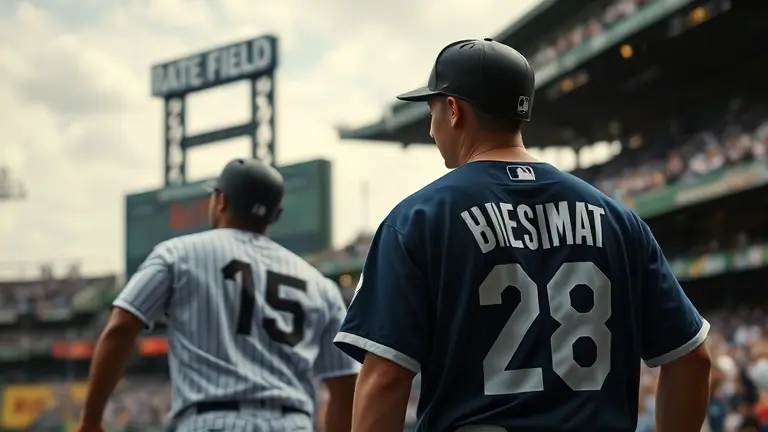
The 2026 Crosstown Classic has turned into a high-octane spectacle, leaving Chicago baseball fans reeling from the unpredictable volatility of the latest matchups. After the Cubs dominated the opener with a 10-5 blowout, the White Sox roared back on May 16th to secure an 8-3 victory, setting the stage for a tense, high-stakes rubber match at Guaranteed Rate Field. The disparity in outcomes—from defensive struggles to explosive offensive displays—has ignited a firestorm of debate across the city, as analysts and fans alike scramble to decode why this rivalry series has defied traditional pitching expectations.
For the dedicated observer, this series is a masterclass in tactical shifts and performance variance. Whether it is analyzing the impact of specific pitching errors or comparing the high-impact production of players like Carson Kelly and Munetaka Murakami, the pace of news is relentless. Capturing the essence of these trends requires more than just checking the white sox score; it demands deep, analytical focus to translate the chaos of the Crosstown Classic into a coherent narrative of the game.
The 2026 Crosstown Classic: A Tale of Two Nights at Guaranteed Rate Field
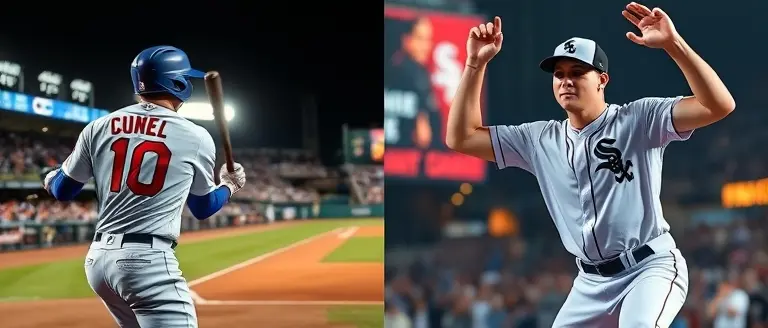
The 2026 Crosstown Classic has lived up to its reputation for volatility and intensity, transforming Guaranteed Rate Field into the epicenter of Chicago sports. The opening two nights of the series between the Cubs vs White Sox delivered high-scoring, unpredictable outcomes that left fans reeling. The opener on May 15 saw the Chicago Cubs flex their offensive muscle, securing a dominant 10-5 victory. A major turning point in that contest was the performance of Carson Kelly, whose 4-RBI effort served as the catalyst for the Cubs’ overwhelming offensive surge.
However, the momentum shifted just 24 hours later. On May 16, the White Sox score reflected a total reversal as the hosts responded with an emphatic 8-3 win. This bounce-back performance effectively leveled the series, forcing a decisive rubber match that has gripped the city. Analysis of the series highlights a glaring trend: neither pitching staff has successfully contained the opposition’s lineup, leading to a series defined by long balls and defensive lapses rather than the expected pitchers’ duels.
Key Takeaways from the Opening Games
The volatility of these matchups has been the primary talking point across local media and fan forums like South Side Sox. Several factors have contributed to the lopsided nature of the scores:
- Pitching Struggles: Jameson Taillon’s outing in the opener became a focal point for critics, as allowing five home runs proved insurmountable for the Cubs’ pitching plan on that night.
- Offensive Adjustments: The Cubs sox rivalry has seen both teams capitalize on defensive mistakes, with both clubs showing an aggressive approach at the plate early in the count.
- High-Stakes Momentum: With the series tied 1-1, the upcoming rubber match is no longer just a regular-season game; it has evolved into a high-pressure environment that will test the bullpen depth of both franchises.
Evidence suggests that the sheer energy of the crowd has directly influenced the game flow, creating a “must-watch” atmosphere for every Chicago baseball fan. As the series heads into its final act, the focus remains on whether the starters can reclaim control or if the high-scoring trend will continue to dictate the narrative of the 2026 Crosstown Classic.
3 Key Takeaways from the Series Opener
The Crosstown Classic opening game on May 15, 2026, set a blistering pace for the weekend series, with the Chicago Cubs asserting early dominance over the White Sox. Analyzing the 10-5 victory reveals a blueprint for how the Cubs dismantled the opposition through calculated aggression and taking advantage of defensive lapses. The intensity at Guaranteed Rate Field was palpable, as the local rivalry tension transformed into high-scoring offensive output that defied the expectations of a typical pitchers’ duel.
Offensive Efficiency and Capitalizing on Errors
The Cubs’ lineup proved why they are a dangerous force when they capitalize on pitching mistakes. A major turning point in the game involved the team’s ability to drive up the pitch count, leading to high-leverage situations. Carson Kelly’s stellar 4-RBI performance stands as the primary takeaway, showcasing his ability to capitalize on base-running opportunities. The cubs sox rivalry often centers on pitching, but this game was defined by:
- Strategic Plate Discipline: The Cubs’ hitters forced the White Sox bullpen into uncomfortable counts, resulting in critical walks and defensive errors.
- Capitalizing on Lapses: Every time a mistake was made on the mound, the Cubs’ hitters aggressively punished the pitch, turning potential fly-outs into multi-run rallies.
- Emotional Momentum: The crowd at the stadium played a significant role, as the early lead energized the Cubs’ dugout and put immediate pressure on the home team.
Shifting the Narrative
While the White Sox score was disappointing for home fans in the opener, the lopsided outcome forced a rapid reassessment of team defensive strategies. The emotional energy in the stands served as a reminder that these games remain the premier event on the Chicago sports calendar. By dominating the series opener, the Cubs established a psychological edge, forcing their rivals to adjust their pitching approach for the remainder of the set. As the series progressed toward the weekend, the offensive clinic displayed by the Cubs served as a clear warning to the rest of the league regarding their current hitting form.
Breaking Down the Pitching Volatility: From Taillon’s Struggles to the Sox Response
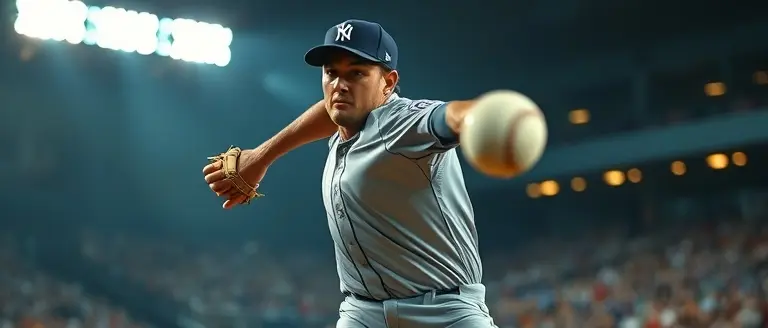
The Crosstown Classic has lived up to its reputation for unpredictability, with the cubs vs white sox series serving as a masterclass in pitching volatility. Game 1 saw the Cubs dominate behind a relentless offense, but the narrative shifted dramatically in the second game as the White Sox exploited specific vulnerabilities on the mound. Central to this inconsistency was the outing by Cubs starter Jameson Taillon, whose struggles became the defining storyline of the early series. Allowing 5 home runs in a single appearance is a statistical anomaly that forced the Cubs’ coaching staff to re-evaluate their approach to aggressive, power-hitting lineups like the South Siders.
Analyzing the Tactical Shift
The White Sox’s offensive rebound in Game 2 was not merely a matter of chance; it was a calculated adjustment to the pitching patterns observed during the series opener. After falling 10-5 in the first matchup, the white sox score improvement to 8-3 in the second game reflected a newfound discipline at the plate.
- Targeting the Zone: The White Sox hitters focused on identifying and punishing mistake pitches that drifted over the heart of the plate, particularly against secondary offerings that lacked the necessary break.
- Plate Discipline: By laying off expanded, chasing pitches early in the count, the White Sox forced Cubs pitchers to bring the ball into the zone, allowing their hitters to sit on fastballs.
- Rhythm Disruption: The White Sox hitters utilized a patient approach to increase pitch counts, effectively tiring out the bullpen and keeping the pressure on the Cubs’ defensive rotation.
This series has highlighted the precarious nature of pitching in high-stakes interleague play. Whether it is the defensive lapses of the Cubs or the sudden surge in efficiency from the White Sox, the cubs sox rivalry continues to prove that momentum is fragile. As fans look toward the rubber match, the primary question remains: which pitching staff can stabilize their rotation and avoid the costly mistakes that turned this series into a home run derby.
Looking Ahead: Defining the Rubber Match
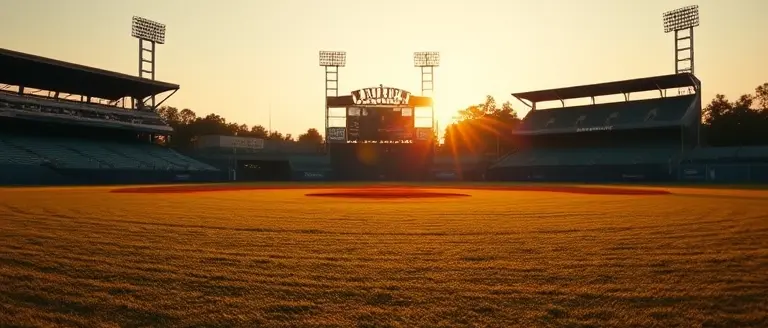
The 2026 Crosstown Classic has lived up to its reputation for volatility, setting the stage for a high-stakes rubber match that carries significant weight for both Chicago ballclubs. After the Cubs vs White Sox series opened with a resounding 10-5 victory for the North Side, the White Sox responded with a decisive 8-3 win, proving that the white sox score can remain competitive despite earlier defensive struggles. As both teams prepare for the deciding game, the tactical focus shifts from early-game execution to bullpen endurance and situational hitting.
Key Matchups and Tactical Outlook
The deciding contest hinges on how each manager navigates their respective pitching rotations following the taxing outcomes of the first two games. Because of Jameson Taillon’s recent struggles with home run suppression, the Cubs face immense pressure to bolster their middle-relief depth. Conversely, the White Sox are looking to capitalize on the momentum generated by their recent offensive surge. Key areas to monitor include:
- Bullpen Availability: With both teams burning through high-leverage arms to secure early wins, the team that utilizes their depth starters effectively will likely dictate the late-game narrative.
- Star Performance: All eyes are on how sluggers like Munetaka Murakami respond to the high-pressure environment of the rubber match, especially as fans look for consistency compared to the breakout performances seen from players like Carson Kelly.
- Momentum Shift: A victory here is more than just a series win; it represents a crucial confidence booster as both teams navigate the middle stretch of the 2026 season.
Ultimately, this cubs sox finale is a test of psychological resilience. The lopsided nature of the first two games suggests that one explosive inning could decide the outcome, putting a premium on defensive stability and the ability of starting pitchers to navigate the batting order without yielding free bases. Whoever wins the final battle at Guaranteed Rate Field will not only claim local bragging rights but also gain a vital psychological edge for their upcoming interleague schedules.
Elevate Your Analytical Edge for the Rubber Match
The 2026 Crosstown Classic has proven that in baseball, momentum is as volatile as it is exhilarating. Whether you are dissecting the defensive lapses that led to high-scoring outbursts or tracking the pivotal statistics of stars like Murakami and Kelly, the speed of this rivalry demands your full cognitive engagement. Keeping pace with the rapid updates and evolving narratives of such an unpredictable series requires more than just passion; it requires absolute mental clarity.
Just as the players on the field rely on razor-sharp instincts to pivot during a high-pressure rubber game, your ability to parse through complex performance data and identify winning trends depends on your brain firing on all cylinders. This is where The Brain Song acts as your ultimate analytical accelerator. By integrating this science-backed, 12-minute daily auditory routine into your schedule, you can effectively combat the mental fatigue that often shadows intense sports reporting and data analysis, ensuring you never miss a beat.
Don’t let the noise of the rivalry overwhelm your insight. Optimize your cognitive processing speed and sharpen your fan intuition before the next pitch is thrown. It is time to step up your game and view the Crosstown Classic with the clarity and precision it deserves.
 Sharpen your game and boost your focus before the next pitch; start your 12-minute daily audio routine here.Unlock My Peak Performance Now!