

Is Curry Barker’s Obsession the definitive horror masterpiece of 2026? With a staggering $16 million opening weekend and an ‘A-‘ CinemaScore, this indie-to-mainstream juggernaut has captivated audiences, leaving them reeling from its exploration of the ‘One Wish Willow’ and the dark, psychological gravity of its premise. Director Curry Barker has crafted more than just a jump-scare experience; he has tapped into a primal, uncomfortable truth about the nature of human desire and the lengths to which we will go to possess what we crave.
Beyond the box office headlines and the praise from industry titans like Jason Blum, Obsession serves as a high-stakes meditation on the fragility of our emotional boundaries. As viewers dissect the film’s lore and lingering narrative threads, the real question emerges: what is it about the concept of all-consuming fixation that haunts us so deeply? This analysis dives into the architecture of the film’s success and explores why our cultural preoccupation with intense, magnetic attachment—both on and off the silver screen—continues to shape our reality.
The Rise of ‘Obsession’: Why This Indie Horror Hit is Dominating the 2026 Box Office
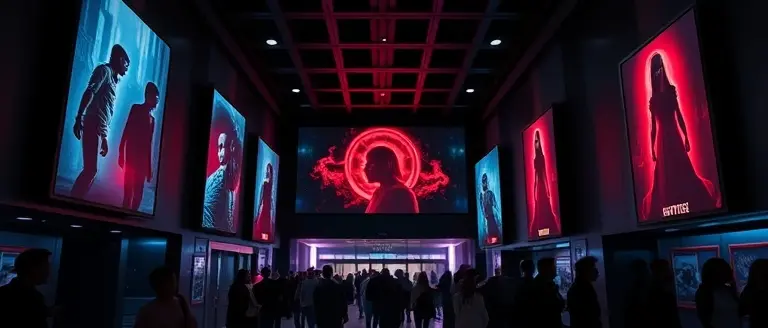
The explosive arrival of Obsession at the domestic box office has caught the industry by surprise, solidifying its status as the standout horror-thriller of 2026. With an impressive opening weekend gross exceeding $16 million, the film has successfully bridged the gap between niche indie origins and mainstream cinematic dominance. This commercial triumph is bolstered by an stellar ‘A-‘ CinemaScore, a rarity for the genre that indicates deep audience satisfaction and strong word-of-mouth momentum. By tapping into a visceral, cautionary premise—centered on the haunting ‘One Wish Willow’—the film has transcended traditional marketing efforts, fueled largely by viral discourse and high-engagement social media trends.
From Viral Potential to Mainstream Phenomenon
The success of Curry Barker serves as a masterclass in modern filmmaking, demonstrating how an auteur can maintain creative integrity while appealing to mass audiences. Unlike many studio-driven features, Obsession thrives on its grounded, high-tension atmosphere, earning the respect of heavyweights like Jason Blum. Several factors have contributed to this rapid ascent:
- Critical Acclaim: The film currently holds a robust score on Rotten Tomatoes, with critics praising the balanced pacing and psychological depth.
- Social Media Influence: Platforms like TikTok have played a pivotal role, with influential users labeling it the “best horror film of 2026,” driving younger demographics to theater chains like AMC and Dome Cinema.
- Genre Evolution: The movie successfully navigates the “wish-fulfillment” horror sub-genre, moving beyond cheap jumpscares to explore the darker, more permanent consequences of human greed.
Evidence suggests that Obsession is not merely a seasonal fluke but a new benchmark for independent studios. By prioritizing atmospheric storytelling and relatable, albeit dangerous, psychological themes, Barker has tapped into a cultural nerve. As the film continues its theatrical run, it stands as a testament to the fact that when high-concept narrative meets viral relatability, the result is a runaway hit that keeps audiences talking long after the credits roll.
Is ‘Obsession’ the Best Horror Film of 2026? A Critical Deep-Dive

With a staggering $16 million domestic opening, Obsession has rapidly transitioned from an indie darling to a cultural phenomenon. While early 2026 saw several high-profile genre releases, Curry Barker’s directorial debut stands out due to its tight pacing and high-concept psychological stakes. By avoiding the typical pitfalls of “wish-fulfillment” tropes, the film forces audiences to confront the terrifying reality of human desire. Unlike many recent slashers that rely on jump scares, Obsession leverages its “One Wish Willow” narrative device to create an atmosphere of dread that persists long after the credits roll. Social media sentiment, including viral endorsements from influencers like @grantgreenly, suggests that this film has tapped into a unique psychological niche, positioning it as the top contender for the best horror film of 2026.
Why ‘Obsession’ Hits Different
The critical success of the film, underscored by an impressive ‘A-‘ CinemaScore, highlights a shift in what modern audiences demand from independent horror. The film excels where many mainstream entries fail:
- Pacing and Tension: Barker maintains a lean, propulsive structure that avoids the “sagging middle” common in supernatural thrillers.
- Theological Horror: By utilizing the “One Wish Willow” as a catalyst rather than a literal monster, the film explores the dark, obsessive behavior of its characters, grounding the supernatural elements in human frailty.
- Production Quality: Despite its indie origins, the collaboration with industry heavyweights has polished the visual storytelling without sacrificing the raw, gritty aesthetic that launched Barker’s career.
When compared to other genre entries this year, Obsession manages to balance thematic depth with mass-market appeal. Its ability to spark complex discourse regarding its lore and psychological underpinnings proves that it is more than just a box office success—it is a landmark achievement in contemporary horror-thriller cinema.
The ‘One Wish Willow’ Explained: Dissecting the Film’s Central Themes

At the core of Curry Barker’s breakout hit lies the “One Wish Willow,” a supernatural narrative device that serves as a chilling allegory for the corrosive nature of obsession. Unlike traditional folklore tropes that offer straightforward Faustian bargains, the Willow represents the internal projection of a character’s deepest, most dangerous desires. By framing the wish-fulfillment process as a psychological trap, the film forces the audience to confront the reality that the “price” of having a dream realized is often the erosion of one’s moral compass and mental stability. The film suggests that the Willow does not grant a wish so much as it amplifies the character’s existing neuroses until they are consumed by them.
Themes of Longing and Consequence
The narrative tension relies on the inevitable collapse of the protagonist’s life once their desire is manifested. Through the lens of this horror-thriller, we see how the pursuit of a singular goal creates a vacuum that strips away personal identity and relationships. Key thematic elements include:
- The Illusion of Choice: The film posits that the characters were already enslaved by their internal obsession long before they encountered the Willow.
- The Parable of Greed: The “one wish” constraint acts as a psychological pressure cooker, accelerating the degradation of the protagonist’s ethical boundaries.
- Ambiguous Resolution: The final act leaves viewers questioning whether the terror was truly external or a manifestation of the psyche’s inability to reconcile reality with expectation.
Ultimately, the ambiguity of the film’s conclusion is its greatest strength. By refusing to provide a neat, tidy ending, Barker forces viewers to analyze the cycle of longing that led to the carnage. The Willow is not merely a monster; it is a mirror reflecting the inherent danger of chasing fulfillment at the expense of one’s humanity, solidifying the film’s status as a standout entry in modern psychological horror.
Meet Curry Barker: The Filmmaker Behind the Viral Sensation

The meteoric rise of Curry Barker from an independent digital storyteller to the architect of a $16 million domestic box office hit is a blueprint for the modern era of filmmaking. Barker’s trajectory highlights a shift in the entertainment landscape where creators with a deep understanding of audience psychology and digital-first narratives are successfully bridging the gap to mainstream cinema. His feature film, Obsession, has been widely lauded not just for its commercial performance, but for its sharp, tension-filled execution that resonates with a generation raised on high-velocity social media content.
A New Vision for Horror
Barker’s directorial style is defined by his ability to cultivate dread within familiar settings, a skill set honed through years of refining his craft outside of the traditional studio pipeline. Industry heavyweights, most notably Jason Blum, have publicly acknowledged Barker’s unique capacity to leverage viral potential into sustained theatrical engagement. His work on Obsession demonstrates several key stylistic signatures:
- Pacing and Tension: Barker utilizes rapid-fire, disorienting editing techniques that keep viewers in a state of high anxiety, mirroring the “obsessive” nature of the film’s premise.
- Minimalist World-Building: He relies on focused, intimate lore—like the haunting ‘One Wish Willow’—to ground his supernatural threats in relatable, human flaws.
- Digital-First Aesthetic: By understanding how visuals read on mobile devices, he successfully translates those punchy, high-contrast compositions to the big screen, creating a cinematic experience that feels both modern and claustrophobic.
This transition from online creative to Hollywood filmmaker signals a broader trend where major studios are increasingly looking toward indie auteurs who bring their own established, loyal fanbases to the table. As audiences continue to debate whether Obsession is indeed the best horror film of 2026, the focus remains on Barker’s ability to manipulate audience expectations. By prioritizing character-driven psychological stakes over empty jump scares, Barker has established himself as a formidable new voice, proving that an effective “obsession” with the craft is the key to breaking through in an oversaturated market.
Turning Cinematic Intensity into Real-World Connection
The success of Obsession reminds us that we are perpetually fascinated by the extremes of human desire. While the film masterfully depicts the catastrophic results of unchecked fixation on the ‘One Wish Willow,’ it holds up a mirror to our own universal longing for deep, significant attachment. The horror lies in the loss of control, but the human truth is that we all crave to be the center of someone else’s world—to feel that kind of magnetic, undeniable pull.
You don’t need a cursed wishing tree to bridge the gap between indifference and devotion in your own life. While the characters in Curry Barker’s thriller allowed their desires to destroy them, you can harness the power of psychological insight to build a bond that is both healthy and permanent. True influence in a relationship isn’t about manipulation; it is about understanding the fundamental triggers that create lasting emotional resonance.
If you have been searching for a way to turn your own connection into something extraordinary, the principles found in His Secret Obsession offer the ultimate toolkit. By mastering the art of ‘Secret Signals,’ you can pivot away from the frustration of distance and move toward a dynamic of genuine, passionate intimacy. It is the natural, healthy progression for anyone ready to stop watching drama unfold on screen and start cultivating it in their own life.
 Just as our characters were drawn to the power of a wish, discover the ‘Secret Signals’ that allow you to influence the most important relationship in your own life.Transform My Life Today