
In the digital age, the line between comedy and controversy has become a battleground, and no recent event illustrates this better than the viral discourse surrounding Tony Hinchcliffe and his appearance at The Roast of Kevin Hart. As Netflix viewers witnessed a spectacle that veered sharply from traditional roast humor into the realm of modern cultural warfare, the public reaction was instantaneous and polarized. From stinging attacks by fellow comedian Chelsea Handler, who weaponized political affiliations to dismantle her target, to the significant backlash involving the family of George Floyd, the event transcended entertainment, forcing us to confront the shifting boundaries of permissible speech.
But why does this specific roast feel different than those of the last decade? To understand the current climate, we must move beyond the outrage headlines and analyze the clash of identities playing out on screen. Who is Tony Hinchcliffe really, and how does his specific brand of defiance serve as a lightning rod in the current US political divide? As we peel back the layers of this viral moment, we find that the struggle to define where ‘protected art’ ends and ‘offensive speech’ begins is not just a comedy debate—it is a reflection of the exhausting, high-stakes polarization that defines our current era.
The Roast of Kevin Hart: A Cultural Flashpoint
The Netflix special, The Roast of Kevin Hart, quickly transcended its role as a comedy event to become a central battleground in the ongoing US culture wars. At the epicenter of this controversy stands Tony Hinchcliffe, a comedian whose performance triggered widespread public outcry and intense media scrutiny. For those asking who is Tony Hinchcliffe, his appearance served as a brutal introduction to his specific brand of “roast-first” comedy, which prioritizes boundary-pushing material over conventional social decorum. The backlash was immediate, fueled largely by a contentious joke referencing George Floyd that drew direct condemnation from the Floyd family and sparked significant outrage across social media platforms like X (formerly Twitter).
The Mechanics of the Clash
The friction during the broadcast extended beyond the audience to the dais itself, most notably in the sustained, public sparring between Hinchcliffe and fellow roaster Chelsea Handler. This interaction highlighted a deeper, ideological divide:
- Political Polarization: Handler repeatedly targeted Hinchcliffe’s public persona, labeling him a “MAGA comedian” and utilizing his political affiliations as primary ammunition for her own set.
- The “Roast” Paradigm Shift: This interaction forced viewers to consider the evolution of the genre. Where previous roasts relied on hyperbolic, celebrity-focused ribbing, this event showcased a shift toward identity-based warfare.
- Accountability vs. Art: The incident reignited the debate regarding whether roast comedy serves as a protected, satirical art form or if it has crossed a line into prohibited territory in a modern, hyper-sensitive media climate.
The severity of the response indicates that the cultural appetite for “anything goes” comedy is currently in direct opposition to contemporary social standards. By centering his routine on highly sensitive subjects, Hinchcliffe transformed the dais into a lightning rod for broader societal anxieties, ensuring that the discourse surrounding Kevin Hart and his guests would be defined more by political friction than by the comedy itself. This event illustrates the mounting tension between traditional comedy structures and the demand for greater accountability from public figures in the streaming age.
Clash of Identities: Hinchcliffe vs. Handler
The interaction between Tony Hinchcliffe and Chelsea Handler during the recent roast served as a high-profile microcosm of the broader American culture wars. While roasts are traditionally designed to push boundaries, this specific encounter shifted the focus away from standard comedic insults toward a pointed ideological confrontation. Hinchcliffe, known for the unfiltered, abrasive style cultivated on his podcast Kill Tony, represents a brand of comedy that thrives on testing the limits of public discourse. Conversely, Handler utilized her platform to explicitly label Hinchcliffe a “MAGA comedian,” effectively weaponizing his political affiliations as the primary punchline.
The Weaponization of Political Identity
This clash highlights a significant evolution in how celebrities interact in public forums. By centering her performance on Hinchcliffe’s perceived political identity, Handler moved the debate from “what is funny” to “what is acceptable” in contemporary society. This tactical shift forces the audience to consider:
- The Comedy vs. Identity Dilemma: Is it still a roast when the comedian’s personal character and political beliefs become the target rather than their professional performance?
- The “MAGA Comedian” Label: How this specific branding functions as a social boundary-marker, signaling to progressive audiences that the performer is an outsider to their shared cultural norms.
- The Streaming Era Effect: The nature of Netflix-hosted specials allows for immediate, widespread social media analysis, which amplifies these ideological fractures and forces viewers to take sides in a binary battle.
Evidence suggests that when performers like Hinchcliffe clash with mainstream figures like Handler, the audience is no longer just evaluating the craft of stand-up comedy; they are engaging in a proxy battle for their own cultural values. As who is Tony Hinchcliffe remains a top-trending question for many, this friction illustrates that in the modern entertainment landscape, one’s political stance is now an indelible part of their on-stage persona, fundamentally altering the traditional dynamics of the roast.
The Limits of the Roast: Art Form vs. Accountability
The traditional format of the roast—historically rooted in the concept that “nothing is off-limits”—is currently facing an unprecedented reckoning in the streaming era. For decades, the roast functioned as a closed-circuit event where comedians pushed boundaries to test the limits of permissible speech. However, the controversy surrounding Tony Hinchcliffe at the roast of Kevin Hart underscores a tectonic shift in how audiences and public figures perceive these performances. When asking who is Tony Hinchcliffe in the current cultural climate, one must look at the collision between his brand of aggressive, “insult-first” comedy and a modern societal framework that increasingly prioritizes trauma-informed discourse over the unfettered satire of the past.
Shifting Parameters in the Streaming Era
The debate has transcended mere comedic preference, evolving into a battleground for American cultural values. Unlike roasts from the mid-2000s, modern specials are broadcast globally, stripping away the “insider” protection that once allowed for a higher degree of vitriol. This transition has led to several key friction points:
- The Intersection of Identity and Comedy: As seen in the sparring between Hinchcliffe and Chelsea Handler, political labels such as “MAGA comedian” are now used as weapons to frame an artist’s intent, turning the stage into a proxy for broader political polarization.
- The Burden of Accountability: High-profile reactions, such as the condemnation from the George Floyd family, signify that public figures are no longer immune to the fallout of their jokes. The expectation for social responsibility now often outweighs the “comedic license” previously afforded to headliners.
- Historical Precedent vs. Modern Sensitivity: There is a growing tension between comedy purists—who argue that sanitizing the roast kills the very essence of the art form—and critics who contend that the medium has become an outdated relic that fails to account for the impact of its rhetoric on marginalized communities.
Ultimately, the backlash suggests that while audiences may still desire the visceral, unpredictable nature of a roast, the threshold for what constitutes “acceptable” humor is narrowing. Whether the roast can survive this transition depends on whether it evolves into a more nuanced form of satire or if it continues to serve as a lightning rod for the increasingly binary nature of modern American discourse.
The Audience Perspective: Where Do You Draw the Line?
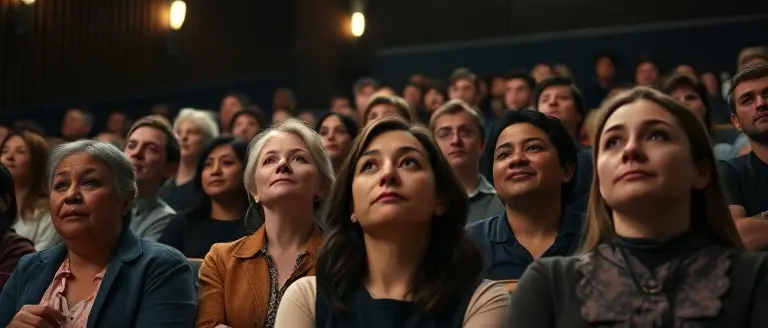
The discourse surrounding Tony Hinchcliffe and his performance at the roast of Kevin Hart has transformed the event into a definitive case study for the modern “culture war” in entertainment. As audiences engage with viral, short-form clips, the consumption of comedy has shifted from a contextual experience to a binary judgment of right versus wrong. For many viewers, the question of whether a joke is “protected art” or an unforgivable offense now depends entirely on their pre-existing ideological framework. When who is Tony Hinchcliffe becomes a question answered through the lens of political identity—often solidified by his clashes with figures like Chelsea Handler—the nuance of the roast format is frequently lost in the noise of social media outrage.
Navigating the Impact of Viral Judgment
The immediate nature of digital feedback loops encourages audiences to draw rapid lines in the sand. This environment creates unique challenges for comedians operating in transgressive spaces, as long-term career viability now hinges on navigating a highly polarized public square. Factors influencing this new reality include:
- Algorithmic Polarization: Social media platforms prioritize high-emotion engagement, often stripping away the “roast” context to highlight only the most controversial soundbites.
- The Identity Archetype: When a comedian is labeled with specific political markers, such as the “MAGA comedian” tag applied during this event, their material is processed by the audience as a political statement rather than a comedic routine.
- Accountability vs. Expression: The public response—ranging from condemnation by the George Floyd family to defenses from comedy purists—highlights the widening gap between the traditional goal of a roast, which is to push boundaries, and contemporary social sensitivities.
Ultimately, the audience is currently the arbiter of what constitutes “crossing the line.” While some viewers argue that nothing should be off-limits in a professional roast setting, others believe that comedy must evolve to reflect modern ethical standards. This friction suggests that the future of roast culture may be dictated less by the comedians themselves and more by the evolving, often unpredictable, moral expectations of the streaming-era public.
Reclaiming Clarity Amidst the Cultural Noise
The firestorm surrounding Tony Hinchcliffe serves as a sobering reminder that our digital consumption is rarely passive. When we engage with these high-intensity conflicts, we aren’t just watching a roast; we are absorbing the residual tension of a divided nation. The mental fatigue caused by navigating these complex, often vitriolic debates is real, and the ‘brain fog’ that follows is the byproduct of a society constantly operating at a high state of alarm.
While navigating the mental fatigue of these high-stakes cultural debates, it is essential to protect your own cognitive clarity from the noise. This is where The Brain Song becomes an indispensable tool for intellectual hygiene. By utilizing neuroscience-based auditory stimulation, it effectively clears the mental static, allowing you to stay informed on trending cultural shifts without succumbing to the burnout that comes with the modern outrage cycle. Think of it as a reset button for your focus.
You don’t have to carry the heavy, draining weight of today’s social discourse. Reclaim your mental space and restore your sharpness so you can engage with the world on your own terms. It is time to prioritize your focus over the noise.
 Reclaim your focus and clear the mental static caused by the digital news cycle with this 12-minute daily routine.Yes, I Want Mental Clarity Now!