
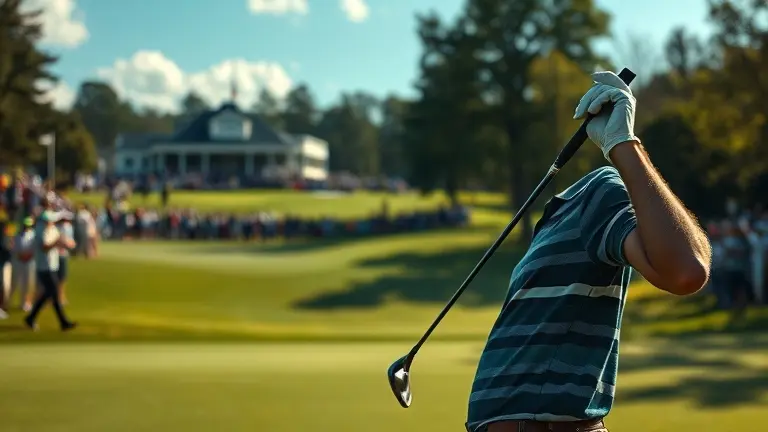
The fairways of Aronimink Golf Club have transformed into a pressure cooker this week as the 2026 PGA Championship hurtles toward a historic final day. With an incredibly volatile leaderboard, the golfing world is currently fixated on Alex Smalley, the former Duke standout who finds himself in the unexpected position of protecting a two-stroke lead. Yet, as he looks over his shoulder, he knows the margin for error is razor-thin: 30 players are within five shots of the lead, and 43 are within six, setting the stage for what many experts consider one of the most unpredictable finishes in modern major history.
But beyond the strategy of the course and the stats on the leaderboard, this championship is becoming a definitive test of mental fortitude. In the intense atmosphere of a final round, Aronimink’s challenging layout demands more than just technical skill; it requires an unwavering ability to manage the adrenaline and psychological weight of the moment. As we prepare for the final groups to tee off, the spotlight is shifting from mere swing mechanics to the fragile, high-stakes battle happening inside the minds of these top contenders.
Aronimink Chaos: Setting the Stage for an Unpredictable PGA Championship Finale
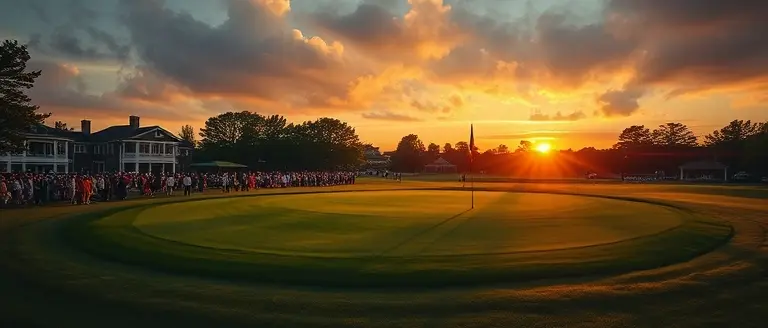
The 2026 PGA Championship at Aronimink Golf Club has descended into a state of competitive gridlock that ranks among the most volatile finishes in recent major championship history. As the field prepares for the final round in Newtown Square, the PGA Championship leaderboard reflects a level of parity rarely seen at this level of professional golf. With 30 players currently positioned within five strokes of the lead, and a staggering 43 golfers within six shots, the margin for error has effectively evaporated. This congestion has transformed the historic layout of Aronimink into a high-stakes pressure cooker, where every single stroke carries the weight of a potential career-defining victory.
The Anatomy of the Leaderboard Logjam
The strategic complexity of the Aronimink course has played a pivotal role in maintaining this density at the top. The design requires immense precision off the tee and disciplined approach shots, punishing even minor lapses in judgment. This has allowed a diverse mix of veteran stalwarts and ambitious outsiders to remain firmly in the hunt. The current standings highlight several key factors driving this tournament intensity:
- Alex Smalley’s Surge: The former Duke standout holds a narrow two-stroke lead, representing the quintessential “longshot” narrative that has captivated sports fans worldwide.
- The Chasing Pack: The density of the leaderboard means that a single birdie or bogey can cause a massive shift in the live standings.
- Course Volatility: Aronimink’s firm greens and strategic bunkering have successfully prevented any player from distancing themselves from the rest of the field.
As analysts and fans alike monitor the PGA action, the narrative has shifted from standard tournament observation to a focus on how these elite athletes will handle the psychological strain of a wide-open Sunday. With the PGA Championship 2026 title on the line, the final round promises a chaotic test of nerves where the winner will likely be the golfer who best navigates the inherent risks of the course while managing the overwhelming pressure of a crowded leaderboard.
The Alex Smalley Factor: From Duke Standout to Major Contender

The rise of Alex Smalley at the 2026 PGA Championship has provided the most compelling narrative of this year’s major season. As the field at Aronimink Golf Club grapples with a notoriously difficult layout, the former Duke University standout has emerged from the shadows of the professional circuit to claim a two-stroke lead heading into Sunday’s final round. Smalley, known for his methodical approach and consistency, has transformed from a relative “longshot” into the primary target for a chasing pack of world-class stars. His journey through the collegiate ranks at Duke provided the foundation for his current poise, but performing under the white-hot intensity of a major championship is a distinct test of character that few expected him to clear so decisively.
Navigating the Pressure of the Final Group
The mental fortitude required to maintain a lead in the PGA when 30 other competitors sit within five shots of the top is immense. Smalley’s strategy has relied on tactical precision rather than raw power, a testament to his ability to minimize unforced errors on the demanding greens of Aronimink. Fans following the pga championship leaderboard have been captivated by his composure, which belies his status as a first-time major contender. His performance to date suggests a player who is not merely surviving the pressure, but actively embracing the volatility of the tournament’s final stages.
- Collegiate Roots: A standout career at Duke prepared Smalley for high-stakes competition.
- Tactical Edge: His disciplined shot selection has been the hallmark of his success at this year’s championship.
- The Underdog Narrative: Despite the presence of seasoned major winners nearby on the leaderboard, Smalley’s “longshot” status has fostered significant engagement, as observers track whether he can convert this opportunity into his first major title.
Whether Smalley can withstand the Sunday pressure remains the defining question of the event. As he steps onto the first tee, the eyes of the sporting world are locked on whether this breakout star can secure his place in history or if the crowded field will overtake him in the final hours of play.
Anatomy of Aronimink: The Course Features That Will Decide the Winner
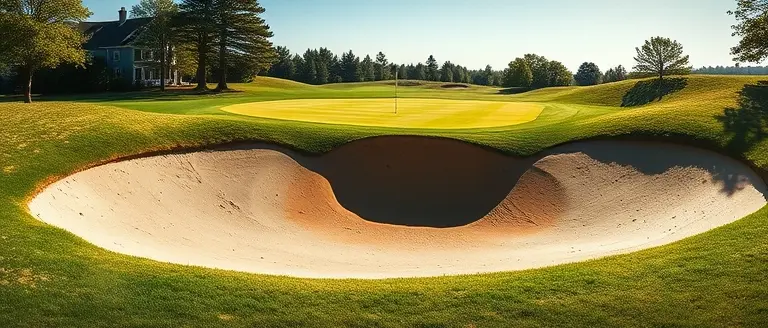
The Aronimink Golf Club has proven to be a masterful stage for the 2026 PGA Championship, acting as the primary catalyst for the extreme volatility observed on the PGA Championship leaderboard. Designed by Donald Ross, the course demands absolute precision rather than raw distance. The layout features undulating, firm greens and strategically placed bunkers that punish even minor inaccuracies in approach shots. This technical difficulty is why nearly 40 players remain within striking distance of the lead, as the margin for error on the back nine is razor-thin. Players like Alex Smalley have found success by navigating these complex greens with calculated patience, avoiding the “hero shots” that have tripped up higher-ranked contenders in the field.
Tactical Challenges and Course Hazards
The course architecture creates a “pressure cooker” environment, particularly during the final round. Key features impacting the field include:
- Firm Putting Surfaces: The speed and slope of the greens require exceptional distance control; an aggressive approach often leads to a treacherous downhill putt.
- Strategic Bunkering: The fairway bunkers are positioned to force players into difficult angles, essentially turning a routine par into a struggle for survival.
- Par-5 Flexibility: These holes offer the only real scoring opportunities, but they are guarded by hazards that demand high-risk, high-reward decision-making.
As the tournament reaches its conclusion, the psychological toll of the course design cannot be overstated. The layout at Aronimink effectively levels the playing field, forcing veterans and challengers alike to play defensive golf when the pressure mounts. With 43 players within six shots of the lead, the final round will reward the golfer who can maintain mental composure while navigating these demanding hazards. Whether Alex Smalley can withstand this tactical scrutiny remains the defining question of the week, as the course remains the true “defending champion” of this major.
The Final Stretch: Scouting the Chasing Pack
As the PGA Championship heads into a high-stakes Sunday at Aronimink Golf Club, the atmosphere is one of unprecedented volatility. With 43 players within six shots of the lead, the traditional hierarchy of professional golf has been upended. While Alex Smalley currently holds a two-stroke advantage, he faces a gauntlet of world-class talent determined to capitalize on any sign of nerves. The chasing pack is not merely a collection of names; it is a tactical minefield where one aggressive swing could lead to a catastrophic bogey, or a calculated birdie could spark a historic rally.
Navigating the Aronimink Pressure Cooker
The strategic layout of Aronimink demands a precise balance between aggression and risk management. With such a crowded PGA Championship leaderboard, contenders must decide whether to attack pin locations or play for the center of the greens. The course features undulating terrain and firm surfaces that punish errant approach shots, making the mental game just as critical as technical proficiency. Players within five shots of the lead will likely employ the following strategies:
- Front-Nine Aggression: Expect the chasers to attack early holes to build momentum before the course firms up in the afternoon heat.
- Back-Nine Defensive Equilibrium: On the closing stretch, maintaining par becomes an asset rather than a failure, as the volatility of the field suggests that steady scoring will eventually climb the leaderboard.
- The ‘Smalley’ Factor: Much of the pressure rests on the shoulders of the leader. If he falters, the vacuum of leadership will force the top-tier contenders to shed their conservative playbooks in favor of a “go-for-broke” approach.
For those vying to overtake the leader, the primary challenge is overcoming the “major championship jitters” that often plague players on Sunday. With the pga 2026 title on the line, the final round will test the fortitude of every participant, turning every hole at Aronimink into a high-stakes decision-making test. Whether a veteran major winner or a rising talent like Smalley prevails, the density of the leaderboard ensures that the outcome will be decided by inches and temperament.
Mastering the Mindset of Champions
As the final round at Aronimink Golf Club reaches a boiling point, the difference between lifting the trophy and fading into the pack will be decided by who maintains the steadiest pulse. History at the PGA Championship proves that talent alone isn’t enough; when 30 golfers are breathing down your neck within five shots, the course becomes a mental minefield. It is in these high-stakes moments that elite focus separates the legends from the near-misses.
While the leaders on the course rely on years of training to maintain their focus, performing under such intense pressure requires a level of mental acuity that even top-tier athletes struggle to sustain. This is where The Brain Song becomes your ultimate advantage. Designed to sharpen cognitive performance and eliminate mental fog, this tool allows you to tap into the same ‘flow state’ that these professional golfers use to navigate the most demanding conditions.
By integrating The Brain Song into your daily routine, you aren’t just improving your focus—you are mastering your mental game to operate at peak performance, no matter how much stress you face. It is the natural next step for anyone looking to achieve championship-level clarity in their personal and professional life. Don’t let mental distraction be the obstacle that keeps you from your best performance.
 Unlock your own ‘championship focus’ and eliminate the mental fog holding you back from your best performance—try The Brain Song’s 12-minute daily routine today.Yes, I Want This Now!