
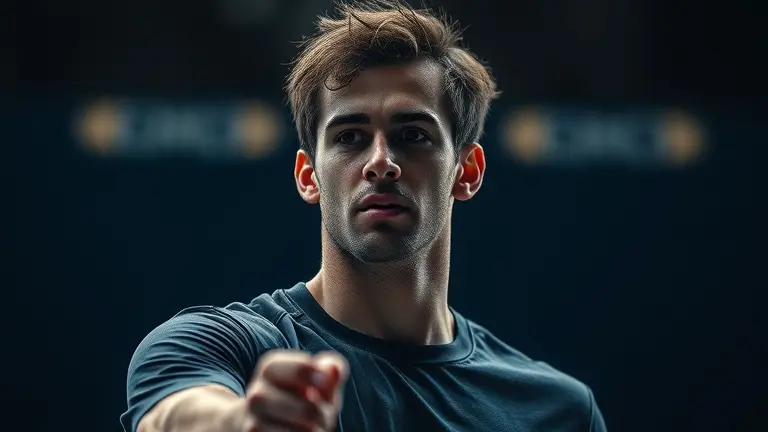
The tennis world is holding its collective breath as Brazilian phenom João Fonseca navigates a critical juncture in his budding career. Following his withdrawal from the ATP 500 Hamburg tournament on May 17, 2026, due to right wrist discomfort, speculation has swirled regarding his readiness for the upcoming French Open at Roland Garros. While the primary headlines focus on the physical logistics of his recovery, the deeper story lies in the immense pressure placed on young, high-potential athletes to manage their physical workload while under the intense spotlight of the global tennis circuit.
For a rising star like Fonseca, each decision—whether to play or to rest—is a calculated step in a marathon, not a sprint. As he prepares for his debut on the iconic clay of Paris, the conversation must shift from mere injury reporting to a sophisticated analysis of how the next generation of champions balances high-intensity training with long-term physiological and cognitive preservation. Understanding this delicate equilibrium is key to unraveling what makes the modern elite athlete truly resilient.
João Fonseca’s Roland Garros Status: Update on Wrist Injury and Withdrawal

As the tennis world turns its attention toward the clay courts of Paris, rising star João Fonseca has made a pivotal decision regarding his professional schedule. On May 17, 2026, reports confirmed that the young Brazilian talent officially withdrew from the ATP 500 Hamburg tournament. The decision comes as a direct response to persistent right wrist discomfort, a condition that medical professionals and his coaching staff are monitoring closely to prevent long-term complications. By opting out of the Hamburg event, Fonseca is prioritizing his physical recovery, aiming to ensure he reaches peak fitness for the 2026 French Open, which is scheduled to commence on May 24, 2026.
Understanding the Precautionary Approach
For a young prospect identified as a leader in the resurgence of Latin American tennis, the management of physical workload is essential. Rather than risking further aggravation of his wrist through high-intensity competitive play in Hamburg, Fonseca’s team has adopted a conservative medical strategy. This approach is intended to provide the necessary window for anti-inflammatory treatment and rest, which are critical for an injury as sensitive as a wrist strain in professional tennis.
Key factors regarding his current medical status include:
- Precautionary Intent: The withdrawal is not indicative of a long-term setback but is a strategic move to preserve his participation in the season’s second Grand Slam.
- Injury Nature: Right wrist discomfort is being treated with localized medical attention to address the fatigue accumulated during his recent tournament circuit.
- French Open Readiness: All efforts are currently focused on his availability for the Roland Garros opening rounds.
This decision highlights the professional maturity of Fonseca and his team, who recognize that protecting his health is paramount to his broader career trajectory. As he prepares for his debut on the iconic clay courts of Paris, the tennis community remains optimistic that this period of rest will allow him to perform at the high-intensity level his fans have come to expect.
Managing Physical Load: The Reality for Next-Gen Tennis Prospects

The recent withdrawal of João Fonseca from the ATP 500 Hamburg tournament serves as a definitive case study in the evolving landscape of professional tennis, where workload management has become as vital as technical proficiency. As a burgeoning star spearheading the resurgence of Latin American tennis, Fonseca faces the common “Next-Gen” dilemma: the pressure to climb the ATP rankings through consistent tournament participation versus the biological necessity of protecting a developing frame against repetitive stress injuries. The decision to prioritize rest over immediate competitive points ahead of the 2026 French Open underscores a shift toward proactive injury prevention within elite tennis camps.
The Shift Toward Longevity Over Volume
Modern tennis programs now emphasize data-driven load management, treating the body as a long-term asset rather than a short-term engine. For young prospects like Fonseca, the physical toll of transition from the junior circuit to the professional ATP tour is significant. Key factors influencing this modern approach include:
- Periodization Strategy: Coaches are increasingly auditing calendars to identify “high-risk” windows, choosing to sacrifice secondary tournaments to ensure peak physical condition for major Grand Slam events.
- Soft Tissue Preservation: Addressing early signs of discomfort—such as the right wrist issue reported by Fonseca—prevents acute conditions from evolving into chronic, career-altering pathologies.
- Tactical Maturity: Elite programs now integrate recovery cycles into the training block itself, acknowledging that high-intensity match play requires significant physiological down-time to mitigate fatigue-induced mechanical faults.
By choosing to sit out of Hamburg, Fonseca is signaling a shift in the standard operating procedure for rising talents. While the allure of ranking points and prize money is immense, professional sustainability relies on the ability to recognize individual physical thresholds. Evidence suggests that for players like Fonseca, the path to a top-tier career is no longer defined by the volume of matches played in a single season, but by the strategic selection of events that maximize competitive growth while minimizing unnecessary physical risk. This disciplined approach is fast becoming the hallmark of the next generation of tennis stars aiming for sustained success on the biggest stages.
The Resurgence of Latin American Tennis: Fonseca’s Role
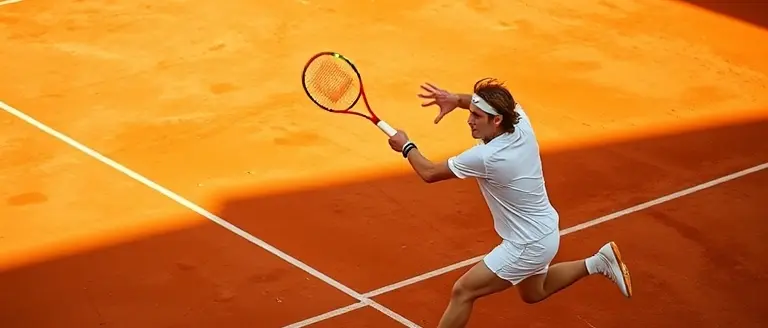
João Fonseca has emerged as a central pillar in what experts describe as a new, high-potential era for Latin American tennis. Following in the footsteps of legendary regional icons like Gustavo Kuerten and Juan Martín del Potro, Fonseca represents a modern evolution of the South American baseline specialist. While the region has long been associated with tactical clay-court dominance, Fonseca brings a more aggressive, high-tempo style that aligns with the requirements of the modern professional tour, emphasizing heavy topspin coupled with an explosive, proactive first-strike mentality.
Analyzing the Trajectory of a Rising Star
The pressure of expectation on a talent like Fonseca is immense, particularly as he approaches his debut on the world’s most prestigious clay courts. To successfully navigate the transition from junior success to the grueling demands of the ATP tour, his development requires a focus on:
- Tactical Maturation: Adapting his powerful groundstrokes to the unpredictable bounces and extended rallies inherent to Roland Garros.
- Workload Management: Balancing the physical output necessary for high-intensity matches with the protective measures required to mitigate injury risks, such as the wrist discomfort that led to his recent withdrawal from Hamburg.
- Mental Fortitude: Managing the global media spotlight as the face of a regional resurgence while remaining focused on long-term career milestones rather than immediate outcomes.
The current strategy surrounding Fonseca’s fitness—specifically prioritizing his participation in the 2026 French Open over secondary clay-court warm-ups—is a testament to his team’s commitment to his long-term trajectory. By carefully selecting his competitive calendar, his camp is prioritizing physical longevity, a critical component for any prospect aiming to sustain a career at the elite level. As he steps onto the red clay in Paris, the eyes of the tennis world will be fixed not just on his raw potential, but on his ability to integrate professional-grade recovery protocols with his undeniable flair for the game.
Mental Toughness and High-Stakes Professional Development
The transition from junior tennis to the senior ATP circuit represents one of the most volatile phases in a professional athlete’s career. For a prospect like João Fonseca, the psychological demands extend far beyond physical performance on the clay courts. As he approaches his debut at the 2026 French Open, the pressure to perform while managing high-intensity expectations is immense. Research into teenage prodigies suggests that the transition to the elite professional level is often marked by increased media scrutiny and the struggle to maintain consistency under a global spotlight. Mental toughness in this context is not just about resilience during a match; it is about the sustained ability to regulate expectations and preserve professional longevity.
Building a Resilient Support Structure
To navigate these pressures, Fonseca’s team has prioritized a holistic approach to his development. Effective workload management—as evidenced by his recent withdrawal from the Hamburg tournament—is a key component of this strategy. By choosing to prioritize his right wrist recovery, his support staff is demonstrating a proactive stance on injury prevention that is essential for long-term growth. Experts note that young players who successfully integrate physical recovery with mental conditioning are better equipped to handle the grueling nature of the Grand Slam calendar.
Key pillars of this professional development include:
- Strategic Load Management: Prioritizing health over short-term tournament participation to ensure readiness for major events.
- Psychological Calibration: Using consistent coaching feedback to decouple self-worth from individual match outcomes.
- Adaptability: Developing tactical versatility that allows Fonseca to compete against seasoned professionals without relying solely on raw power.
Ultimately, Fonseca’s journey serves as a case study in how the next generation of Latin American tennis talent is being nurtured. By focusing on steady development rather than immediate, high-stakes results, his team is laying the foundation for a sustainable career. As he prepares for Roland Garros, the focus remains on equipping him with the mental tools to handle the noise of the senior circuit while maintaining the focus required for high-level competition.
Mastering the Mental Edge for Athletic Longevity
As João Fonseca works toward his return to the court, the focus extends beyond the physical mechanics of his wrist; it encompasses the mental stamina required to compete at the highest level of professional sport. The transition from a promising prospect to a Grand Slam contender is as much a cognitive feat as it is a physical one. Emerging stars must cultivate extraordinary focus to navigate the demands of training cycles while maintaining the mental clarity necessary for high-stakes performance.
This is precisely where tools like The Brain Song become indispensable for the modern athlete. Just as physical training requires structure, cognitive performance can be optimized to ensure that when the pressure mounts at Roland Garros, the mind remains sharp, resilient, and ready. By leveraging a neurological approach to mental clarity and focus, athletes can support their recovery processes and sharpen their competitive edge, ensuring they stay ahead of the curve during the most challenging stretches of the season.
Integrating advanced cognitive support into a training regimen is the natural evolution for the next generation of tennis icons. By sharpening your mental game, you align your performance strategy with the same rigorous standards set by elite professionals, turning cognitive health into your greatest tactical advantage.
 Discover how the Brain Song can help you sharpen your mental game and improve your focus just like the next generation of tennis champions.Yes, I Want to Sharpen My Focus Today!