

The eternal city is bracing for impact as AS Roma and SS Lazio prepare to collide in a Derby della Capitale that carries the weight of an entire season. Beyond the historic animosity, this Matchday 37 encounter has been shrouded in controversy, testing the limits of urban management as the spectacle squares off against the concurrent Italian Open tennis tournament. For Roma, the stakes could not be higher: a top-four Champions League finish hangs in the balance, turning this rivalry into a tactical battleground where one mistake could rewrite their European future.
For the astute fan, the match is more than a 90-minute struggle; it is a complex puzzle of league mechanics, scheduling conflicts, and intense psychological warfare. With the recent sting of Lazio’s Italian Cup defeat still fresh, the atmosphere at the Stadio Olimpico promises to be as volatile as the tactical configurations on the pitch. To truly appreciate the gravity of this fixture, one must look past the surface-level highlights and peel back the layers of a high-stakes drama that challenges both the tradition of Italian football and the mental fortitude of those who follow it.
The Derby della Capitale: A High-Stakes Clash Amidst Logistics and Rivalry
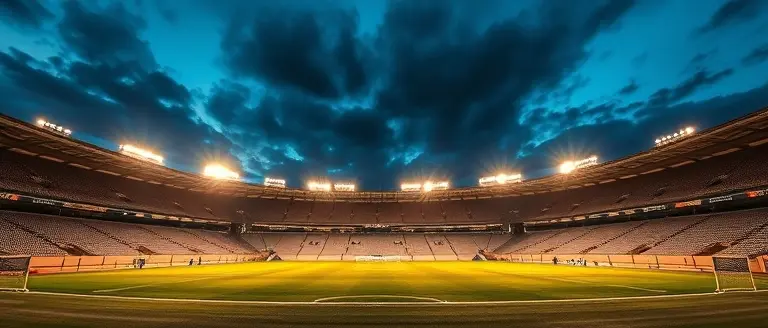
The Derby della Capitale between Roma and Lazio on Matchday 37 is more than a standard fixture; it is a convergence of sporting ambition and urban chaos. As the 2025/26 Serie A season nears its conclusion, the timing of this clash at the Stadio Olimpico has sparked intense debate. City authorities faced immense pressure balancing the football rivalry with the concurrent Italian Open tennis tournament, leading to a scheduling controversy that observers have dubbed quintessentially Italian in its complexity. The logistical strain of managing two massive sporting events in the same proximity highlights the unique urban management challenges inherent in Rome’s historic sporting calendar.
Tension and Stakes at the Olimpico
Beyond the logistical friction, the psychological landscape of the match is heavily impacted by recent events. Lazio enters this encounter reeling from a bruising 2-0 defeat to Inter Milan in the Italian Cup final on May 13, 2026. This loss has served as immediate fuel for Roma supporters, who have utilized social media and local banners to mock their rivals’ lack of silverware. For Roma, the stakes are existential:
- Champions League Qualification: The Giallorossi are fighting for a top-four finish, making every point critical to secure a spot in next season’s prestigious European competition.
- The Emotional Weight: A victory in the derby is often viewed by fans as a salvaged season, regardless of the broader league table.
- Tactical Pressure: Both managers are under the microscope to neutralize the opponent’s momentum while navigating a high-pressure environment that historically amplifies tactical errors.
Evidence suggests that the interplay between the Coppa Italia disappointment and the high-stakes push for Europe will define the intensity of the pitch battle. As fans and pundits focus on lineups and the path to the 2026/27 Champions League, the focus remains on whether Lazio can recover its composure or if Roma can capitalize on their opponents’ recent tactical fatigue to secure a decisive, season-defining result.
Tactical Breakdown: How Atmosphere Dictated Performance
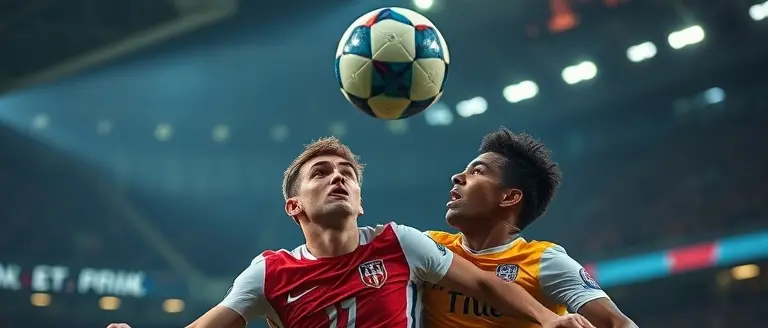
The Derby della Capitale is never merely a game of football; it is a high-stakes psychological battlefield where the weight of expectations often forces managers to abandon their preferred tactical identities. In this Matchday 37 clash, the atmosphere inside the Stadio Olimpico acted as a catalyst for defensive conservatism. Both AS Roma and SS Lazio displayed a reluctance to commit numbers forward during the opening exchanges, likely influenced by the intense fan pressure and the shadow of their respective season objectives. Evidence suggests that the noise levels and the palpable tension caused a noticeable increase in safe, sideways passing as players sought to minimize high-risk turnovers in the middle third.
Defensive Rigidity and Substitution Patterns
As the match progressed into the final 20 minutes, the tactical layout shifted toward damage limitation rather than proactive dominance. The following factors highlight how the environment dictated the strategic flow:
- Midfield Neutralization: Rather than exploiting space between the lines, both sides prioritized a low block, forcing play into wide areas to avoid central counter-attacks.
- Substitution Timing: Substitutions were predominantly reactive, with managers focusing on reinforcing defensive shape rather than chasing a winner, as a point was deemed statistically preferable to a catastrophic loss in the race for European qualification.
- Decision-Making Under Duress: In the closing moments, the urgency of the Roma vs. Lazio rivalry led to hurried clearances and an avoidance of intricate play, reflecting a fear of conceding a late goal that would have defined their respective post-season narratives.
This psychological bottleneck serves as a masterclass in how “big game” pressure fundamentally alters the tempo of a professional match. While tactical analysts often look at formation charts, the reality of the 2025/26 derby was one of attrition. For fans following the Serie A race, this match underscored how external environmental factors—coupled with the lingering frustration of Lazio’s Italian Cup defeat—often supersede technical game plans, resulting in a defensive stalemate that favored caution over creativity.
Beyond the Pitch: Managing Serie A Scheduling Conflicts
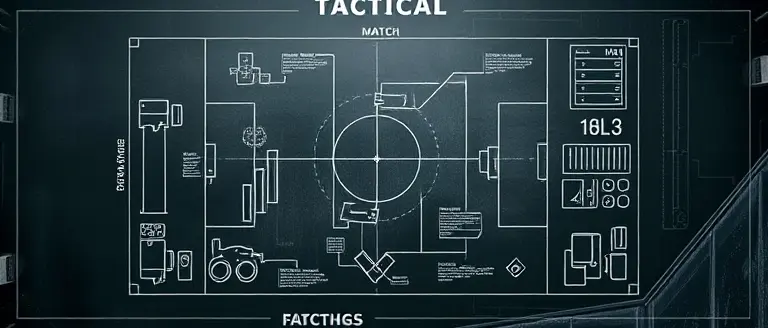
The logistical orchestration of a Serie A fixture like the Roma – Lazio derby at the Stadio Olimpico represents a masterclass in urban management challenges. When global sporting events collide, such as the historic Derby della Capitale overlapping with the high-stakes atmosphere of the Italian Open tennis tournament, city authorities face a unique pressure cooker of public safety and infrastructure demands. Unlike leagues with more centralized control, Italian football scheduling requires a delicate negotiation between the Lega Serie A, the Roman municipality, and law enforcement agencies tasked with maintaining order across two massive sporting venues in close proximity.
The Dynamics of Coordination
Managing these scheduling conflicts involves navigating layers of bureaucracy that often lead to the “quintessentially Serie A” controversy recently observed in May 2026. The complexity arises from several critical factors:
- Public Safety Requirements: The need for heavy police presence to manage fan movement in Rome, which must be balanced against crowd control requirements for concurrent tennis events.
- Logistical Overlap: Both the Stadio Olimpico and the surrounding Foro Italico complex rely on shared transport infrastructure, creating significant strain during matchdays.
- Broadcasting Obligations: High-profile fixtures must be placed in prime-time slots for maximum reach, which often contradicts the timing of international sporting exhibitions.
Evidence suggests that these scheduling disputes are rarely just about the game itself but highlight the sociological tension between traditional football culture and the modernization of urban event hosting. As clubs strive to secure a top-four finish to guarantee participation in European competitions, these administrative hurdles become more than just background noise; they impact player recovery windows and, ultimately, the competitive integrity of the season. Balancing the fervor of the Roman derby with the operational realities of a metropolitan capital remains one of the most difficult challenges for Italian football organizers, requiring constant negotiation to ensure that one of the world’s greatest rivalries remains unaffected by the logistics of the city it calls home.
The Numbers Game: Derby Results and European Qualification

In the high-stakes environment of the 2025/26 Serie A campaign, the ‘Derby della Capitale’ between Roma and Lazio represents far more than regional bragging rights. For AS Roma, this Matchday 37 fixture serves as a critical junction in their quest for a top-four finish and the subsequent reward of Champions League qualification. Mathematically, the points at stake in this derby are weighted heavily; a victory for Roma would consolidate their position in the standings, potentially creating a buffer against trailing rivals ahead of the season finale. Conversely, any dropped points at the Stadio Olimpico could force the Giallorossi to rely on favorable results elsewhere, a precarious situation for any club chasing the lucrative European slots.
The Impact on Champions League Aspirations
The correlation between derby performance and season-end positioning is supported by historical precedents in Italian football. When analyzing the current table, the margin for error for Roma has narrowed significantly following a series of mid-season fluctuations. Data-driven projections suggest that securing a positive result against their bitter rivals provides more than just three points; it injects critical momentum that often proves decisive during the final push. Key factors currently influencing these qualification scenarios include:
- Point Deficit Management: The gap between the 4th and 6th positions remains thin, meaning a derby win could effectively eliminate one direct competitor from the equation.
- Tie-Breaker Scenarios: In the event of equal points at the end of the season, head-to-head records—including derby results—serve as a secondary criteria, making this match a potential tie-breaker decider.
- Psychological Leverage: Following Lazio’s recent disappointment in the Italian Cup final, the psychological toll on the Biancocelesti could be exploited by Roma to dictate the tempo of the match and control the midfield.
As the season nears its conclusion, the intersection of urban scheduling controversies and on-field performance has created an atmosphere of extreme pressure. For Roma, navigating this derby successfully is the most viable path to securing the financial and sporting prestige associated with the Champions League for the 2026/27 season.
Mastering the Tactical Labyrinth of the Derby della Capitale
As the dust settles on the Derby della Capitale, it becomes clear that this clash between AS Roma and SS Lazio is about far more than local bragging rights; it is a high-stakes chess match that dictates the European fate of these historic clubs. Navigating the complex web of Serie A qualification scenarios and the urban logistics that nearly derailed this historic fixture requires a level of analytical precision that separates the casual observer from the true football connoisseur.
Understanding these intricacies demands mental agility. Just as players require peak cognitive performance to execute tactical shifts under the pressure of a derby, you need your own analytical ‘A-game’ to master the dense mechanics of European league qualification. This is where The Brain Song becomes your essential companion. By providing a sophisticated, auditory-based cognitive boost, it allows you to process high-level tactical data and deep-dive reporting without the mental fatigue that often accompanies such rigorous research.
Don’t just watch the final matchday—understand it with absolute clarity. By optimizing your cognitive focus, you transform from a passive fan into a master of the game’s deepest narratives. It is time to sharpen your edge and elevate your engagement with the sport you love.
 Sharpen your analytical edge for the final matchday—try the 12-minute auditory routine today.Transform My Analytical Edge Now!