
The gaming world is currently bracing for a seismic shift as the Nintendo Switch 2 prepares for its highly anticipated arrival. With a confirmed price point of $499.99, arriving on September 1, 2026, industry analysts and fans alike are debating whether this hardware leap—driven by a volatile, AI-induced global memory crisis—justifies the premium cost. From the complex economic pressures articulated by President Shuntaro Furukawa to the “stacked” holiday release calendar, the sheer volume of information surrounding this launch is unprecedented.
As we approach this new era, distinguishing between last-gen legacy titles and true Switch 2 exclusives is no longer just a luxury—it is a requirement for any savvy player planning their pre-order strategy. In this comprehensive guide, we synthesize the volatile semiconductor market trends with the upcoming 2026 release schedule, providing you with a clear roadmap to navigate the 2026 Nintendo ecosystem without the overwhelming data fatigue that often clouds such critical investment decisions.
The Nintendo Switch 2 Landscape: Understanding the Price and Market Shift

The gaming industry is currently navigating a period of unprecedented hardware transitions, marked most significantly by the confirmed price adjustment for the upcoming Nintendo Switch 2. Effective September 1, 2026, the retail price for the next-generation console will shift from the initially projected $449.99 to $499.99. This $50 increase has prompted widespread discourse among enthusiasts, but when viewed through the lens of current macroeconomic trends, the decision reflects a broader struggle within the consumer electronics sector.
Nintendo President Shuntaro Furukawa has been transparent regarding the necessity of this adjustment, pointing directly to an “AI-driven memory crisis.” As artificial intelligence development consumes a massive portion of the global semiconductor supply—specifically high-bandwidth memory (HBM) and advanced NAND flash—the cost of sourcing critical components for gaming consoles has risen sharply. Furthermore, Furukawa has highlighted that ongoing geopolitical instabilities have disrupted logistics and raw material procurement, forcing hardware manufacturers to choose between shrinking margins or higher consumer prices.
Market Realities and Consumer Value
To understand whether the Nintendo Switch 2 remains a viable investment at the $499.99 price point, it is essential to consider the following market factors:
- Semiconductor Scarcity: The surge in demand for AI processing units has created a competitive bidding war for silicon, making it difficult for Nintendo to secure lower pricing at scale.
- Technological Longevity: By absorbing some of these costs while passing others to the consumer, Nintendo aims to ensure the hardware maintains high performance, potentially extending the lifecycle of the device against a backdrop of inflation.
- Perceived Value: Despite the frustration regarding the price hike, the “stacked” exclusive games calendar arriving in late 2026 aims to offset this barrier. Consumers are being asked to weigh the cost of the hardware against a high-fidelity library that promises to differentiate the new console from its predecessor.
Ultimately, the shift to a $499.99 ceiling is a direct response to a constrained global economy. While the Nintendo Switch 2 faces a more challenging market environment than the original 2017 release, the company is betting that the premium hardware experience and a robust catalog of exclusive titles will justify the investment for the average gaming household.
Buyer’s Guide: Comparing the Current Nintendo Switch vs. Switch 2
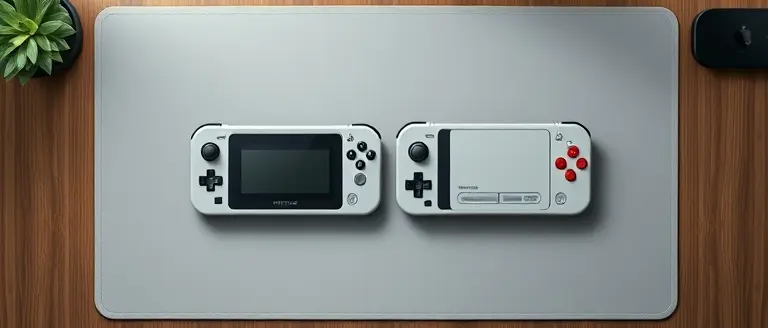
Deciding whether to remain in the current Nintendo Switch ecosystem or transition to the next-generation console requires a clear understanding of the hardware evolution. As of September 1, 2026, the official price point for the Switch 2 is set at $499.99. This shift, driven by the global “AI-driven memory crisis,” reflects the rising costs of high-bandwidth semiconductors necessary to power the next leap in gaming performance. While the original Switch remains a reliable machine for indie titles and legacy favorites, the upcoming hardware aims to bridge the gap between portable play and modern graphical fidelity.
Performance and Hardware Capabilities
The most significant distinction between the two consoles lies in processing power and display capabilities. While the current Nintendo Switch relies on the aging Nvidia Tegra X1 chipset, the Switch 2 is expected to leverage advanced architecture capable of AI-assisted upscaling, potentially matching the fidelity of stationary consoles in a handheld form factor.
- Processing Power: The Switch 2 will feature significant upgrades to RAM and storage architecture to mitigate current semiconductor supply chain bottlenecks.
- Backward Compatibility: Industry whispers suggest that the Switch 2 will support a vast library of existing titles, potentially enhancing them with improved frame rates or resolution.
- Exclusives: The holiday 2026 “stacked” calendar is designed specifically for the higher ceiling of the new hardware, meaning upcoming flagship exclusives will not run on original 2017-era systems.
For players prioritizing performance, the $499.99 price tag serves as an entry into a new tier of software support. If your current playstyle focuses on retro classics and established titles, the original Nintendo Switch continues to offer excellent value. However, for those seeking the next generation of AAA exclusives and optimized fidelity, the Switch 2 represents a necessary, albeit premium, hardware shift.
Strategic Pre-Order Planning: Securing Your Next Console

Securing a Nintendo Switch 2 at launch will likely require a disciplined Switch 2 pre-order strategy, especially given the anticipated high demand for the upcoming console. With the retail price set at $499.99 following the September 1, 2026, adjustment, early-adopter volatility is expected to be significant. To mitigate the risks of scalpers and inventory shortages stemming from the current global memory crisis, proactive planning is essential. Savvy consumers should prioritize multi-retailer notification systems to ensure they are alerted the moment windows open.
Tactical Steps for Launch Success
To maximize your chances of obtaining a unit, follow these actionable strategies:
- Enable Push Notifications: Configure alerts on major retail platforms such as Amazon, Best Buy, and GameStop. Dedicated inventory tracking sites and browser extensions can provide real-time updates when stock levels shift.
- Store Payment Credentials: Time is critical during a console launch. Pre-save your shipping address and billing information in your retail accounts to facilitate a one-click checkout experience.
- Diversify Retailers: While large marketplaces are standard, do not overlook regional specialized gaming retailers or official carrier bundles, which may have different allocation windows.
- Monitor Official Channels: Keep a close watch on Nintendo’s official news portal. Frequently, Nintendo provides specific windows for pre-order announcements that precede mass-retail availability.
Navigating Supply Chain Realities
Understanding the “AI-driven memory crisis” is key to managing expectations. Global semiconductor constraints have created a constrained production environment, which may result in rolling waves of stock rather than a singular, massive launch inventory. If you miss the initial pre-order window, remain vigilant for “second-wave” restocks, which typically occur 48 to 72 hours after initial sales metrics are analyzed by retailers. By focusing on these logistical pillars, you can navigate the complex 2026 hardware landscape and effectively secure your console despite market instability.
The 2026 ‘Stacked’ Calendar: Best Switch 2 Games to Watch
Nintendo is positioning the holiday 2026 season as its most critical release window in a decade, banking on a “stacked” exclusive library to justify the hardware investment for the upcoming Nintendo Switch 2. While the revised $499.99 price point has drawn scrutiny, the company’s strategy relies on high-fidelity, next-generation exclusives that utilize the console’s advanced architecture to deliver experiences impossible on current-generation hardware. By differentiating these titles from existing Nintendo Switch games, Nintendo aims to demonstrate immediate value through enhanced performance, visual fidelity, and innovative AI-integrated gameplay mechanics.
The Exclusive Lineup and Hardware Synergy
The software calendar is designed to capitalize on the unique processing power of the new system. According to industry reports, including insights from Kotaku, Nintendo has prioritized a blend of legacy franchises and new IP to drive early adoption. The following titles are expected to define the launch period:
- Flagship Franchise Revivals: High-budget sequels that leverage the rumored AI-driven memory enhancements to create larger, more reactive open worlds.
- Technological Showcases: Exclusive titles specifically optimized for the upgraded chipset, offering faster load times and native resolution scaling that distinguishes them from backward-compatible titles.
- Holiday 2026 Exclusives: A curated selection of software designed to demonstrate the hardware’s unique capabilities, positioning the device as a necessity rather than an iteration.
By focusing on these “stacked” releases, Nintendo is attempting to shift the consumer narrative away from the $500 price hike and toward the unparalleled quality of its software ecosystem. Evidence suggests that the 2026 holiday window will rely heavily on these exclusive games to validate the cost of entry, as fans look for clear markers of a “next-gen” experience. Investors and enthusiasts alike are closely watching whether this software-first strategy can successfully anchor the new console against stiff market competition and global economic pressures.
Master Your Gaming Strategy in 2026
Navigating the transition from the legacy console to the upcoming Nintendo Switch 2 requires more than just a budget; it demands a clear, analytical mind. We have broken down the economic pressures of the AI-driven memory crisis and the complexity of the holiday release calendar to ensure you can make an informed pre-order strategy. While hardware specifications and market fluctuations are daunting, understanding where to invest your time and money is the key to maintaining your edge in this evolving ecosystem.
With the sheer volume of data, hardware specs, and release dates to track for the upcoming season, maintaining mental sharpness is as essential as the hardware itself. The Brain Song serves as the ultimate cognitive optimization tool for the serious gamer. By providing sustained focus and eliminating mental fog, it allows you to parse through complex technical specifications and industry news with ease, ensuring you never miss a beat or a pre-order window.
Align your cognitive performance with your gaming goals. Incorporate The Brain Song into your daily routine to stay sharp, alert, and ready to dominate the 2026 gaming landscape. Experience the difference in clarity today.
 Optimize your ability to parse through the 2026 gaming landscape and stay sharp for every release by incorporating The Brain Song into your daily routine.Transform My Focus Today!