

In the high-stakes world of professional golf, the narrative often focuses exclusively on scorecards, trophy counts, and the relentless pursuit of perfection. However, during the 2026 PGA Championship, the conversation shifted abruptly from the fairway to the profoundly human reality of Brooks Koepka. Following a deeply personal and heartbreaking revelation regarding a miscarriage experienced by his wife, Jena Sims, the golf world was reminded that even the most formidable athletes are not immune to profound private tragedy. This moment has sparked a necessary conversation about how public figures navigate the immense pressure of their careers while processing devastating personal loss, stripping away the veneer of celebrity to reveal the raw, often hidden challenges of life in the spotlight.
While media outlets continue to track Jena Sims’ appearances at tournament events, the deeper story lies in the couple’s resilience. Managing bereavement under the relentless glare of cameras is an extraordinary feat, one that highlights the intersection of professional discipline and emotional vulnerability. For observers and fans alike, this serves as a sobering case study in the human side of sports, proving that even as they perform for millions, the strongest foundations are those built on the private, silent support shared between partners when the final putt is holed and the crowds have long since dispersed.
Navigating Personal Loss: Brooks Koepka and Jena Sims Share Heartbreaking News

In a display of profound vulnerability, professional golfer Brooks Koepka recently broke his silence regarding the severe personal challenges he and his wife, Jena Sims, have faced in recent months. Amidst the intense competitive pressure surrounding the 2026 PGA Championship, Koepka candidly addressed “family issues” that have weighed heavily on the couple, ultimately confirming that they have endured the heartbreak of a miscarriage. This revelation, shared during recent media engagements, has shifted the focus from the typical sports-centric narrative toward a deeper, more human conversation about the intersection of elite athletic performance and profound private trauma.
The public response to this news reflects a significant shift in how fans and media outlets engage with the lives of high-profile athletes. Rather than focusing on superficial lifestyle updates or social media fashion choices, the current discourse highlights a growing collective empathy for the couple’s resilience. Navigating such a life-altering event under the constant glare of global media scrutiny is an immense challenge. The couple’s decision to open up has served as a poignant reminder that even the most successful athletes are subject to the same human tragedies that impact families everywhere.
Understanding the Intersection of Trauma and Performance
The emotional toll of this tragedy naturally influences the professional landscape, yet the way Brooks Koepka and Jena Sims have managed this chapter demonstrates significant strength. Observers note several key aspects of their experience:
- Managing Public Scrutiny: Balancing the expectations of a major championship with the internal healing process requires extraordinary mental fortitude.
- Prioritizing Mental Health: By acknowledging these “family issues,” Koepka has set a precedent for professional athletes to prioritize their well-being over the necessity of maintaining a stoic, public-facing persona.
- Shared Resilience: The public support directed toward the couple underscores the importance of community and open communication when navigating personal bereavement.
As the golf community continues to track the lead-up to the 2026 PGA Championship, the narrative surrounding the Koepkas remains one of dignity and mutual support. This period in their lives stands as a testament to the fact that while competitive success is a pillar of their public identity, it is their character and resilience in the face of adversity that truly defines this difficult chapter.
The Intersection of Elite Athletics and Human Vulnerability
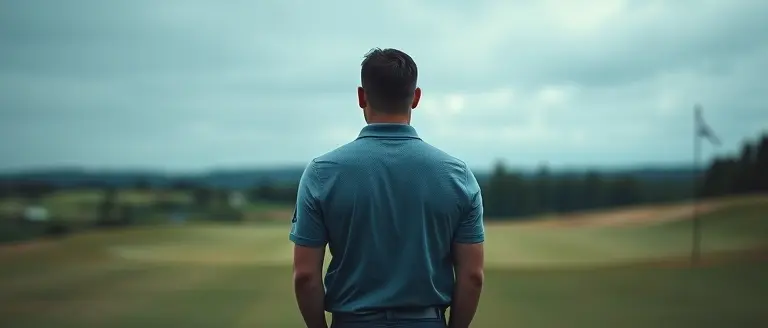
The recent disclosure by Brooks Koepka regarding the heartbreaking miscarriage experienced by his wife, Jena Sims, serves as a poignant reminder that elite athletes are not immune to the profound personal tragedies that affect us all. While the sporting world often views players like Koepka through the lens of performance statistics and major championship victories, the current 2026 PGA Championship cycle highlights a different reality: the immense psychological burden of navigating private grief while standing under the harsh glare of the global spotlight. This situation underscores the tension between professional expectations—which demand total focus and high-level execution—and the fundamental human need for space to process significant emotional trauma.
The Mental Toll of Public Performance
Maintaining professional standards during a period of bereavement requires a level of mental fortitude that is rarely discussed in mainstream sports media. For an athlete of Koepka’s stature, the pressure is multifaceted:
- Public Scrutiny: Every public appearance, including those of Jena Sims at event venues, is subject to intense media analysis and fan speculation, leaving little room for private mourning.
- Performance Expectations: The PGA Championship requires near-perfect concentration, yet personal loss can significantly impact an athlete’s cognitive focus and emotional equilibrium.
- The ‘Human Shield’ Dynamic: Athletes often feel the need to suppress their internal struggles to protect their focus, which can paradoxically lead to increased burnout or emotional fatigue.
The resilience demonstrated by the couple highlights the “hidden” side of elite sports, where the boundary between public persona and private identity is increasingly blurred. By speaking candidly about these “family issues,” Koepka has shifted the narrative away from superficial celebrity gossip toward a broader, more empathetic understanding of the personal sacrifices professional athletes endure. This intersection of elite athletics and vulnerability serves as a case study in how public figures must balance the demands of their professional career with the inescapable, often difficult, reality of their personal lives.
Supporting One Another: The Role of Resilience in Public Life

The recent disclosures regarding the personal struggles faced by Brooks Koepka and his wife, Jena Sims, have shifted the public narrative from superficial attention to a more grounded discussion on human resilience. Navigating a private, heartbreaking family tragedy—specifically the loss of a child—while under the intense scrutiny of the professional golf circuit requires a level of fortitude that often goes unseen. By choosing to address these “family issues” candidly, the couple has managed to humanize the often distant world of elite athletics, demonstrating that even the most successful figures are not immune to profound grief.
Navigating Public Scrutiny Through Unity
Rather than retreating from the spotlight or succumbing to speculative narratives, Koepka and Sims have projected a sense of mutual support during recent public appearances. Their ability to remain a cohesive unit while dealing with private sorrow underscores a vital lesson in partnership:
- Prioritizing Communication: Addressing personal challenges publicly on their own terms prevents the proliferation of groundless rumors.
- Mutual Protection: Supporting one another during high-pressure events, such as the 2026 PGA Championship, allows the couple to maintain their boundaries while fulfilling professional obligations.
- Redefining Public Presence: Their focus remains on their shared life rather than the aesthetic focus often prioritized by social media, highlighting a shift toward more authentic public engagement.
For high-profile figures, the boundary between professional duty and personal bereavement is often blurred. However, the response from Koepka and Sims suggests that setting firm emotional boundaries is essential for recovery. By prioritizing their relationship and their mental health, the couple serves as a case study in how public figures can process trauma without sacrificing their well-being. Ultimately, their resilience highlights the necessity of empathy from the public, reminding audiences that behind every headline lies a complex, personal journey that deserves dignity and respect.
Reframing the Narrative: Beyond the Golf Course

The recent public revelations concerning Brooks Koepka and his wife, Jena Sims, underscore a critical shift in how we perceive professional athletes. As the sports world processes the news of the couple’s heartbreaking family tragedy—specifically the miscarriage they endured—it becomes increasingly clear that the industry must move away from the superficiality of “lifestyle” coverage. For too long, the narrative surrounding high-profile figures has focused on surface-level interests, such as public appearances or fashion choices, often ignoring the profound human experiences that persist behind the scenes. This transition toward greater transparency is not merely a trend; it is a necessary evolution in sports journalism that respects the athlete as a human being rather than just a performance vehicle.
Prioritizing Empathy in Sports Media
To foster a more mature sports culture, both media outlets and fans must commit to a higher standard of empathy. The scrutiny faced by individuals like Brooks Koepka while navigating personal grief highlights the intense pressure placed on elite competitors to maintain a “game face” regardless of internal turmoil. Moving forward, we should advocate for:
- Respecting Boundaries: Recognizing that personal family issues are not public commodities to be dissected for engagement.
- Humanizing the Athlete: Acknowledging that peak performance exists alongside complex, often painful, life events.
- Supportive Discourse: Shifting the focus from speculative gossip to recognizing the resilience required to balance professional obligations during bereavement.
By shifting our collective focus, we can create an environment where transparency is met with understanding rather than tabloid-style scrutiny. When athletes like Koepka speak openly about their mental health and personal challenges, it does more than just inform the public—it breaks down the barriers of the “superhuman” myth, fostering a deeper, more genuine connection between the sports icons we admire and the reality of their private lives. Ultimately, honoring their privacy during times of tragedy is the truest form of appreciation for their dedication to the game.
Cultivating Strength Through Unspoken Bonds
The journey of Brooks Koepka and Jena Sims underscores a vital truth: the most intense pressure isn’t always found on the leaderboard, but in the quiet moments of healing that follow a tragedy. When the world watches every move, the true test for any power couple navigating public adversity is how they reinforce their bond and support one another’s emotional core when the cameras turn off. It is in these moments that the strength of a partnership is truly defined, requiring a level of mutual understanding and psychological security that goes far beyond surface-level appearances.
Achieving this level of deep emotional resonance is not just reserved for the elite; it is a skill that can be fostered in any committed relationship. By understanding the psychological underpinnings of connection—often described as the ‘Hero Instinct’—partners can provide the stability necessary to weather any storm, from personal grief to the stresses of daily life. This approach centers on cultivating profound emotional security, ensuring that both individuals feel supported, valued, and fundamentally ‘seen’ by their partner, even when the weight of the world feels unbearable.
If you are looking to deepen the resilience of your own relationship and foster a connection that withstands the most challenging life transitions, understanding these psychological triggers is the essential next step. By prioritizing emotional devotion and mutual support, you can transform your partnership into a sanctuary of strength, mirroring the dedication required to navigate life’s most painful chapters together.
 Learn more about the psychological triggers that foster deep, lasting devotion in your own partnership.Transform My Relationship Today