

The 2026 RBC Brooklyn Half Marathon is fast approaching, but for the 29,000 runners preparing to hit the pavement, the conversation has shifted from personal bests to survival tactics. With temperatures forecast to climb toward an uncomfortably warm 80°F, the race is taking on an intensity that tests not just the legs, but the core physiology of every participant. This year’s event carries a unique weight: it is underscored by growing scrutiny over safety protocols—including the controversial placement of ECMO resuscitation units—and heated debates regarding restrictive new policies for disabled athletes and their guides. As the city readies itself, runners are forced to grapple with a high-stakes environment where logistical challenges meet physical limitations.
But beyond the headlines of policy and emergency preparedness, there is a fundamental challenge for the individual athlete: how to maintain peak performance when the heat creates a metabolic crisis. Surviving the Brooklyn Half in these conditions requires a departure from generic hydration advice. To truly thrive, runners must understand the delicate balance of glucose stabilization, the prevention of cognitive ‘brain fog’ brought on by thermal stress, and the science of maintaining endurance when the environment is actively working against you. This is not just a race anymore; it is a masterclass in human performance under pressure.
,slug:
The 2026 RBC Brooklyn Half Marathon: Balancing Peak Performance and Public Safety

As approximately 29,000 participants prepare to take on the 2026 RBC Brooklyn Half Marathon, the event arrives under a unique convergence of logistical scale and heightened vigilance. The race, a cornerstone of the New York City running calendar, is currently navigating significant challenges, most notably an unseasonably warm weather forecast. With temperatures expected to hover near 80°F during peak running hours, organizers and participants are facing a complex scenario where athletic endurance intersects directly with environmental risk factors. This heat-heavy forecast requires runners to prioritize core cooling and proactive fluid management, shifting the focus from personal bests to safe completion.
Advanced Medical Preparedness and Safety Protocols
In response to historical medical incidents during the Brooklyn Half Marathon, race officials have implemented stringent emergency protocols to bolster participant safety. Most notably, the placement of ECMO (Extracorporeal Membrane Oxygenation) resuscitation devices at the finish line marks a significant escalation in race-day medical capabilities. These units serve as a last-resort intervention for severe cases of heat-induced cardiac or respiratory distress, reflecting a broader commitment to preventing tragedies. Key safety measures include:
- Enhanced Medical Staffing: Doubled on-course medical stations to provide rapid cooling and triage for heat-related illness.
- Finish Line Monitoring: Specialized ECMO equipment capable of providing life-saving circulatory support for critically affected runners.
- Staggered Starts: Adjusted wave configurations to alleviate congestion, allowing for better access to aid stations and cooling zones.
While these measures provide a necessary safety net for the massive field of 29,000 runners, they highlight the inherent dangers of racing in high-humidity urban environments. Participants are strongly urged to monitor their physiological markers closely, as the combination of high ambient heat and the intense physical demands of the half-marathon distance creates a narrow window for error. By integrating professional medical infrastructure with personal heat-management strategies, the 2026 event seeks to uphold its status as a premier athletic fixture while acknowledging the volatile nature of urban distance running.
Policy Under Scrutiny: The Impact of NYRR Rules on Disabled Athletes

As the Brooklyn Half Marathon approaches, the New York Road Runners (NYRR) are facing intense backlash regarding revised policies governing guide runners for disabled participants. While the organization maintains that these changes are designed to streamline event logistics and ensure course safety for all 29,000 entrants, many advocacy groups and affected athletes argue that the new regulations effectively act as a barrier to entry. Critics describe the updated framework as “discouraging,” suggesting that the tightening of guide-runner qualifications and registration requirements undermines the very spirit of inclusivity that major road races in the United States strive to project.
The Conflict Between Safety and Accessibility
The core of the controversy lies in the friction between high-stakes liability management and the practical needs of visually impaired or mobility-challenged runners. By imposing more stringent rules on who can serve as a guide and how they are integrated into the race corral, the NYRR risks isolating the community it claims to support. For many disabled athletes, a guide is not merely a volunteer but an essential, trained partner who ensures safety throughout the 13.1-mile course.
Key concerns voiced by the running community include:
- Administrative Burdens: The complex registration process for guides can deter both volunteers and athletes, leading to lower participation numbers for disabled categories.
- Loss of Autonomy: Restrictive rules regarding guide placement may limit an athlete’s ability to compete at their preferred pace or within their designated wave.
- Misaligned Priorities: Athletes argue that while the NYRR invests heavily in medical interventions—such as placing ECMO units at the finish line to mitigate heat-related risks—they simultaneously create bureaucratic hurdles that prevent some disabled runners from participating altogether.
Ultimately, the scrutiny surrounding the Brooklyn Half Marathon highlights a growing demand for transparency. If the NYRR intends to maintain its reputation as a global leader in road racing, it must bridge the gap between its safety-first operational model and the necessity of providing equitable access for all participants. Moving forward, observers suggest that a collaborative review process involving disabled athletes is essential to ensure that race-day rules do not become exclusionary policies in disguise.
Science-Backed Heat Management for Urban Half-Marathons
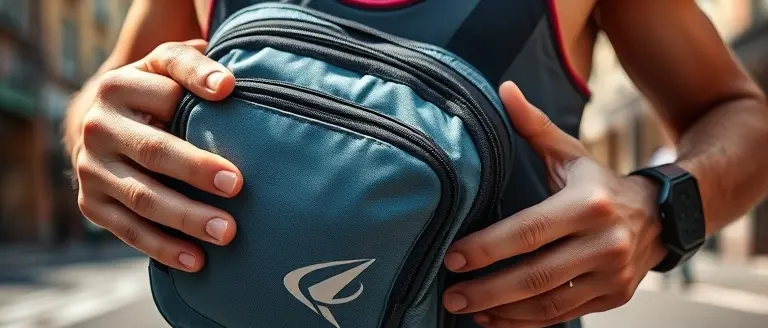
When the Brooklyn Half Marathon coincides with unseasonably warm temperatures near 80°F, amateur runners must shift their strategy from personal-best chasing to sophisticated thermoregulation. Urban environments present a unique challenge: the urban heat island effect. Asphalt and concrete absorb and radiate solar energy long after the sun peaks, meaning your core temperature rises faster than it would on a forested trail. To mitigate these risks, athletes should implement a pre-race protocol focused on hyper-hydration and cooling. Evidence suggests that “pre-cooling”—such as consuming a slushy or wearing a cooling vest during the warmup—can lower your baseline temperature, effectively delaying the onset of heat-related fatigue.
Tactical Pacing and Physiological Awareness
Pacing is your most critical variable. In heat, your heart rate naturally trends higher as the body diverts blood flow to the skin for evaporative cooling, leaving less oxygenated blood for working muscles. You must proactively adjust your goal pace by 15 to 30 seconds per mile to account for this cardiovascular drift.
Follow these evidence-backed guidelines to navigate the course safely:
- Strategic Hydration: Don’t just drink water; prioritize electrolyte replacement to maintain plasma volume. Sip fluids early and often, even before you feel thirsty.
- Radiant Heat Mitigation: Stick to the shaded side of the street whenever possible. Avoid hugging the blacktop center line where heat reflection is highest.
- Monitor Early Warning Signs: Be vigilant for symptoms beyond simple fatigue, including chills, goosebumps, excessive irritability, or a sudden cessation of sweating. If you experience these, walk immediately and seek medical assistance at the nearest station.
- External Cooling: Use water stations to pour fluid on your head and neck rather than just drinking it. This promotes convective cooling, which is highly efficient in an urban setting.
By respecting the environmental constraints of the Brooklyn Half Marathon, you prioritize long-term health over immediate speed, ensuring you reach the finish line—and the medical support teams—in optimal condition.
Post-Race Retrospective: Assessing Safety Measures and Field Performance

The 2026 Brooklyn Half Marathon presented a complex case study in balancing mass-participation athletics with extreme physiological risks. With temperatures nearing the 80°F threshold, the event served as a critical stress test for the newly implemented medical infrastructure, most notably the deployment of ECMO (extracorporeal membrane oxygenation) resuscitation devices at the finish line. Preliminary reports suggest that these high-acuity medical assets were vital in mitigating the impact of heat-related illnesses, providing a specialized layer of defense for the 29,000 runners who navigated a course that offered limited respite from the urban heat island effect.
Evaluating Medical Readiness and Performance
The integration of advanced life support systems underscores a permanent shift in how race organizers approach athlete safety in the face of warming climate trends. While the medical response appears to have stabilized critical cases, the post-race discourse emphasizes several key areas for future optimization:
- Heat Mitigation Strategies: Despite robust medical presence, the sheer volume of participants in elevated temperatures indicates that medical personnel should be supplemented by more frequent, strategic hydration stations and cooling zones located earlier in the race profile.
- Data-Driven Safety: Moving forward, race directors must weigh the efficacy of these medical interventions against the potential for “risk homeostasis,” where athletes may feel a false sense of security knowing advanced resuscitation tech is nearby, potentially pushing their physical limits too far.
- Accessibility Policy Impact: The controversy surrounding the new guide-runner rules remains a focal point of criticism. Future iterations of the Brooklyn Half Marathon must reconcile safety-first medical protocols with inclusive policies that do not alienate disabled athletes who rely on specific support systems for a safe race experience.
Ultimately, while the medical safety net held firm this year, the intersection of record-high heat and restrictive participation policies suggests that the NYRR must adopt a more holistic approach to event management—one that treats accessibility and physiological safety as equally foundational pillars rather than competing interests.
Mastering Your Metabolic Resilience
As the RBC Brooklyn Half Marathon approaches, the intersection of record-breaking heat and intense physical exertion demands more than just standard hydration strategies. Navigating the 13.1-mile course under an 80°F sun requires a sophisticated approach to your body’s metabolic fuel. While your focus has been on logistics and physical training, the silent enemy—metabolic instability—can lead to the mid-race ‘bonking’ and cognitive fog that derail even the best-prepared athletes.
This is where strategic supplementation becomes a game-changer. Maintaining steady glucose levels is not just about avoiding a crash; it is about ensuring your body has the consistent, optimized fuel necessary to push through extreme conditions. By stabilizing your energy baseline, you provide your muscles and brain the resilience they need to withstand high-stress environments. Sugar Defender serves as your endurance accelerator, transforming how your body manages fuel under pressure and ensuring your metabolic clarity remains sharp from the start line to the finish.
Don’t let metabolic volatility define your race day performance. Equip your body with the science-backed stability it needs to conquer the Brooklyn course with confidence. Elevate your endurance, sharpen your focus, and cross that finish line feeling powerful.
 Optimize your race-day endurance and metabolic resilience with Sugar Defender’s liquid-formula support.Yes, I Want My Performance Boost!