

When Maitland Ward, a recognizable face from the nostalgic 90s hit Boy Meets World, stepped into the spotlight to critique the HBO phenomenon Euphoria, the entertainment world took note. Her pointed commentary on a specific storyline involving Sydney Sweeney’s character, Cassie Howard—specifically a plot point she labeled as “vile” regarding OnlyFans—has ignited a firestorm of debate across social media. This clash between a performer who has successfully navigated the transition from mainstream television to the adult content industry and the high-gloss, controversial narratives of prestige TV creates a fascinating cultural intersection.
The public fascination here goes beyond the surface-level celebrity beef; it highlights a profound tension regarding how intimacy is commodified, interpreted, and presented in the digital age. By positioning herself as an outsider with an “insider’s” understanding of adult media, Ward forces us to confront our own perceptions of sexualized narratives. Why does this critique resonate so deeply with audiences, and what does it reveal about our collective obsession with the thin line between television fiction and real-world human behavior?
The Intersection of Prestige TV and Adult Content: Maitland Ward’s Recent Critique

The recent discourse surrounding Maitland Ward and her public assessment of HBO’s Euphoria has ignited a significant debate regarding how adult entertainment professionals interact with mainstream prestige media. Known for her transition from the sitcom Boy Meets World to a successful career in the adult industry, Ward recently targeted a specific storyline involving the character Cassie Howard, portrayed by Sydney Sweeney. The plot point in question, which depicts a character’s involvement in an OnlyFans-related scenario, was explicitly labeled “vile” by Ward. Her critique centers on what she perceives as a cynical or derogatory portrayal of the adult content profession within mainstream television, arguing that such depictions often rely on harmful tropes that undermine the realities of sex work.
Why the Commentary Sparked Polarized Reactions
The intensity of the response across social media platforms over the last 24 hours stems from the collision of two disparate cultural spheres: the high-glamour world of Hollywood prestige dramas and the increasingly normalized, yet still stigmatized, adult content creation industry. Several factors contribute to why this specific critique has triggered such a polarized reaction:
- Professional Expertise vs. Artistic Freedom: Critics of Ward’s comments argue that Euphoria is a fictional work designed to explore dark, multifaceted human behaviors, not a documentary about sex work.
- Representation Matters: Conversely, supporters of Ward’s position emphasize that because she is an active participant in the industry, her critique carries the weight of lived experience, challenging the media’s tendency to utilize adult content themes for shock value.
- The “Outsider” Perspective: The public fascination is rooted in the “outsider” status Ward occupies. By speaking out against a mainstream juggernaut like Euphoria, she invites a broader conversation about whether Hollywood is exploiting the current cultural obsession with digital intimacy while simultaneously distancing itself from the actual professionals who navigate that space.
This divide reflects a larger, ongoing tension in modern entertainment. As the lines between streaming platforms and social media-based monetization blur, the discourse initiated by Maitland Ward highlights the growing demand for more nuanced and respectful portrayals of adult content creators in popular culture. Whether one agrees with her assessment of the show’s narrative choices, it is clear that Ward’s commentary has successfully forced a moment of reflection on how “prestige” television depicts the business of online adult expression.
Maitland Ward: A Unique Perspective on Industry Representation
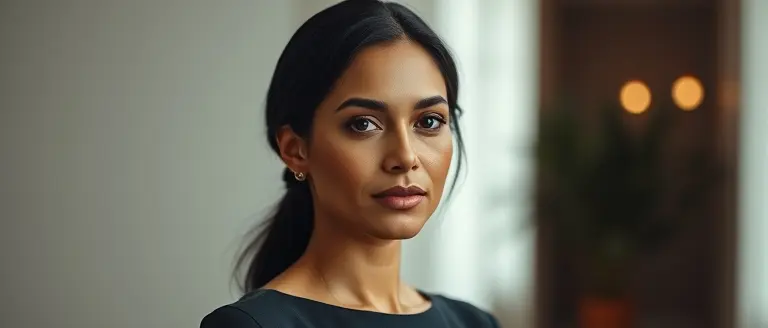
The career trajectory of Maitland Ward represents one of the most distinctive pivots in modern entertainment. Having gained widespread recognition as Rachel McGuire on the beloved sitcom ‘Boy Meets World,’ Ward later transitioned into a prolific career as an adult content creator. This shift has positioned her as a singular cultural figure, effectively bridging the gap between mainstream Hollywood stardom and the realities of the adult industry. Because she has navigated both worlds with professional intent, her commentary on how mainstream television depicts adult media carries a weight of lived experience that few other public figures can claim.
The Insider-Outsider Dynamic
Ward’s recent critique of Euphoria—specifically the storyline involving Sydney Sweeney—highlights her role as an “insider-outsider.” By scrutinizing the depiction of OnlyFans-related plot points in prestige drama, she is not merely acting as a viewer, but as an industry professional evaluating the accuracy and impact of industry-specific tropes. This unique vantage point allows her to identify nuances that traditional critics often overlook:
- Authenticity vs. Sensationalism: Ward’s perspective focuses on whether mainstream portrayals of sex work are grounded in reality or used primarily as a vehicle for shock value.
- Professional Stigma: She brings a sophisticated understanding of the consent, agency, and business infrastructure required for adult content, often finding mainstream narratives lacking in this nuance.
- Media Responsibility: Her commentary suggests a demand for higher standards in how creative writers handle subjects that directly affect the livelihoods of performers.
Ultimately, Maitland Ward’s willingness to weigh in on these topics challenges the traditional boundaries of celebrity discourse. Her authority stems from the fact that she has successfully dismantled the stigma surrounding her own career pivot, allowing her to speak with a directness that characterizes her ongoing advocacy for the rights and accurate representation of adult industry creators.
Why the ‘Euphoria’ Debate Strikes a Nerve

The recent critique leveled by Maitland Ward against Euphoria highlights a growing cultural friction between prestige television narratives and the lived experiences of professionals within the adult entertainment industry. When mainstream dramas like Euphoria incorporate plot points involving OnlyFans or sex work, they often use these elements as shorthand for character degradation or moral spiraling. For performers like Ward—who successfully transitioned from a traditional sitcom career on Boy Meets World to a prominent role in adult media—these portrayals can feel reductive or exploitative. The tension stems from a fundamental disconnect: creators like Sam Levinson often employ artistic license to frame adult content as inherently “vile,” while performers argue that these depictions lack the nuance and agency present in their actual careers.
The Divide Between Representation and Reality
The public discourse surrounding this controversy touches on a significant divide regarding how mainstream media depicts the adult industry. Critics and viewers are fascinated by this debate because it challenges the “outsider” perspective that television writers often apply to sex-positive or sex-work-related themes. Key factors contributing to this friction include:
- Narrative Stigma: Mainstream television frequently treats adult content creation as a desperate act, ignoring the professional autonomy that creators like Maitland Ward champion.
- Creative License vs. Authenticity: While showrunners prioritize dramatic tension, industry professionals argue that these portrayals perpetuate harmful stereotypes that negatively impact real-world performers.
- The Power Dynamic: There is a perceived arrogance in prestige projects using the aesthetics of the adult industry for shock value while simultaneously distancing themselves from the reality of the profession.
Ultimately, the reason this debate strikes a nerve is that it forces audiences to confront their own biases toward adult performers. By positioning herself as a vocal critic of Euphoria, Maitland Ward has effectively inserted the voice of the industry into the mainstream conversation, demanding that creators stop using the adult landscape as a convenient, one-dimensional prop for high-stakes drama.
The Evolution of Public Discourse: Celebrity Commentary in the Digital Age

The recent commentary provided by Maitland Ward regarding Euphoria serves as a case study in how the modern digital landscape blurs the lines between traditional celebrity status and niche industry perspectives. Public interest in such discourse is rarely about the critique itself; rather, it stems from a fascination with the collision between the “old guard” of legacy Hollywood and the “new guard” of digital-first content creators. As figures like Ward—who transitioned from a traditional acting background into a prominent role within the adult industry—weigh in on prestige television, they effectively bridge two worlds that were previously siloed. This cross-pollination of viewpoints keeps shows like Euphoria relevant, sparking debates that extend far beyond the original broadcast window.
The “why” behind the intense public reaction often boils down to a desire for authentic industry insights. When a professional with direct, lived experience in the adult entertainment sector critiques a mainstream production’s portrayal of similar themes, the commentary gains an air of authority that standard entertainment reporting lacks. This evolution of public discourse is driven by several key factors:
- The Democratization of Critique: Social media platforms allow performers to bypass traditional media gatekeepers, creating a direct line of communication with audiences that can drastically alter the reception of a narrative.
- Intersectionality of Media: Modern viewers are increasingly interested in how different sectors of the entertainment industry perceive each other, particularly when it involves sensitive or controversial tropes.
- Algorithmic Longevity: Provocative statements regarding high-profile series often trigger recommendation algorithms, ensuring that a show remains a top-tier topic for weeks or months after its premiere.
Ultimately, the friction created by these diverse perspectives is a feature, not a bug, of modern entertainment culture. By commenting on the perceived “vile” nature of certain plot points, Maitland Ward highlights a broader tension regarding how sexualized narratives are handled in mainstream prestige television versus adult media. This ongoing dialogue ensures that even controversial creative choices serve as lightning rods for larger societal conversations, keeping television series firmly at the center of the cultural zeitgeist long after the final credits roll.
Decoding Real-World Connection Beyond the Screen
Ultimately, the discourse surrounding Maitland Ward’s critique of Euphoria serves as a mirror for our own societal confusion regarding the complexities of attraction, boundaries, and performance in modern relationships. While television dramas rely on heightened, often artificial conflict to keep us watching, the real-world challenge lies in navigating these same dynamics in our personal lives with authenticity and clear intent.
If you find yourself dissecting the tangled web of romantic signals and power plays seen on your favorite shows, it is time to shift your focus from the scripted page to the actual mechanics of human psychology. Just as Maitland Ward offers an uncompromising perspective on the realities of her industry, His Secret Obsession provides the psychological blueprint to understand the ‘hero instinct’—the fundamental driver of male commitment and devotion that often goes misunderstood in the digital noise of today’s dating culture.
By mastering these subtle, powerful signals, you move beyond being a spectator of drama and start building the kind of deep-seated, unshakable bond that modern media rarely portrays accurately. This is your opportunity to bridge the gap between fantasy and reality, moving past the scripts to secure the lasting connection you truly deserve.
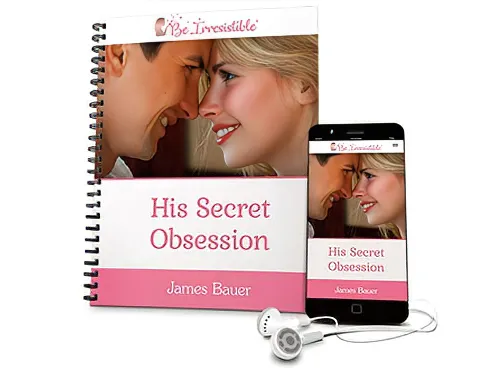 Discover how to decode the signals that create lasting devotion and go beyond the scripts found on television.Unlock My Relationship Potential Now!