
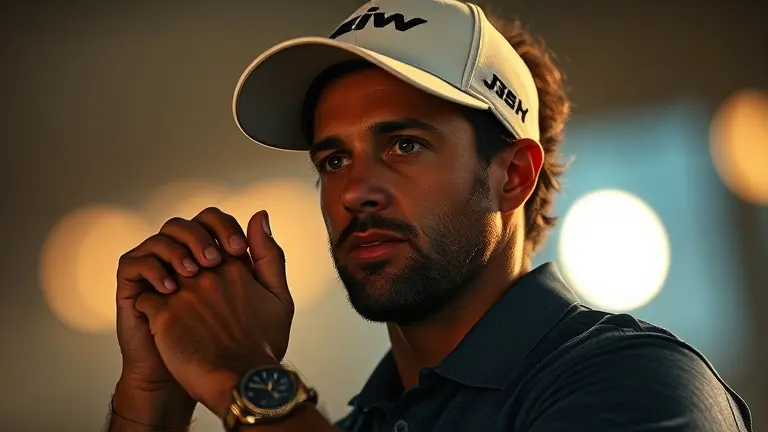
When Dustin Johnson stepped onto the stage at the 2026 PGA Championship, the golf world expected a focus on his swing and competitive strategy. Instead, the narrative shifted toward the uncomfortable reality surrounding LIV Golf. With his candid, almost fatalistic admission that he has "no idea" regarding the long-term future of the organization, Johnson inadvertently peeled back the curtain on the instability currently plaguing one of sports’ most ambitious experiments. His uncertainty is not merely a player’s off-the-cuff remark; it is a symptom of a larger, systemic tension between venture-backed disruption and the traditional, established structures of professional golf.
As the industry scrutinizes the funding stability and organizational viability of the LIV Golf project, the focus often drifts toward gossip. However, the deeper story lies in the professional reality of athletes operating in a high-stakes, volatile environment where institutional clarity is vanishing. For top-tier competitors, the demand to perform on the course while navigating a shifting business landscape is unprecedented. This article cuts through the headlines to examine the intersection of institutional instability and the individual athlete’s demand for unwavering mental resilience.
The 2026 PGA Championship: Dustin Johnson’s Uncertain Outlook

The 2026 PGA Championship served as a stark backdrop for Dustin Johnson to address the mounting speculation surrounding the longevity of LIV Golf. As one of the marquee signings and a foundational figure of the breakaway league, Johnson’s admission that his “guess is as good as mine” regarding the future of the organization resonated across the sporting world. This candid, if not fatalistic, sentiment highlights a growing disconnect between the league’s high-profile athletes and the opaque financial and strategic roadmap governing their employer.
The Weight of Player Uncertainty
When a marquee athlete like Johnson openly concedes a lack of institutional clarity during a major championship, it signals more than just personal detachment; it reflects a broader fragility within the LIV Golf ecosystem. While players have historically been insulated by lucrative guaranteed contracts, the shift from aggressive expansion to a period of institutional assessment has left even the most prominent faces of the tour searching for answers.
- Institutional Instability: Reports suggest that the lack of concrete communication from leadership is fueling unease among top-tier talent.
- The Major Championship Filter: Competing at the PGA Championship forces players to confront the contrast between established tournament structures and the experimental, often volatile nature of the LIV business model.
- Business Realities: Johnson’s comments underscore the reality that professional sports funding is inherently cyclical, and even the most “disruptive” leagues are subject to the same economic pressures as traditional entities.
By positioning his outlook as inherently uncertain, Johnson has effectively shifted the narrative from purely athletic competition to a discussion about the sustainability of modern golf’s professional landscape. For enthusiasts and investors alike, this public acknowledgment from a key stakeholder is a pivotal indicator that the honeymoon phase of the league has ended, replaced by an era of intense scrutiny and, perhaps, inevitable transition.
From Disruptor to Uncertainty: Tracking LIV Golf’s Institutional Timeline

The trajectory of LIV Golf began with a promise of radical innovation, aiming to upend the traditional golf landscape by introducing team-based formats, massive financial guarantees, and a streamlined schedule. When Dustin Johnson became one of the first high-profile defectors, the league was framed as an unstoppable disruptor poised to reshape professional sports forever. However, the contrast between that early, aggressive expansion and the current climate of institutional instability is stark. Recent comments from top-tier players suggest that the initial fervor has been replaced by a pragmatic, if not fatalistic, outlook regarding the league’s long-term commercial viability and structural permanence.
The timeline of this transition can be categorized by three distinct phases:
- The Inception Phase (2022): Characterized by high-stakes player recruitment and an aggressive confrontation with the established golf order, creating a binary divide between the PGA Tour and the Saudi-backed newcomer.
- The Consolidation Attempt (2023–2024): A period defined by legal skirmishes and the pursuit of Official World Golf Ranking (OWGR) points, which eventually stalled, leaving the league in a state of professional isolation.
- The Era of Uncertainty (2025–Present): A pivot toward existential questions regarding sustainable funding models and organizational longevity, as evidenced by Johnson’s candid admission that he has “no idea” about the future.
This shift highlights a broader business reality: sports leagues backed by sovereign wealth require consistent, visible growth to justify massive operational expenses. While the initial capital was sufficient to secure talent, the current skepticism reflects a market-driven reality where the novelty of the format is no longer enough to guarantee stability. As Dustin Johnson navigates his career within this evolving paradigm, his lack of foresight serves as a bellwether for many athletes who find themselves caught in the crosshairs of a project that is currently struggling to define its place in the permanent golf ecosystem.
Navigating Professional Stability in a Volatile Sports Market

The professional trajectory of Dustin Johnson since joining the LIV Golf circuit serves as a critical case study in the modern athlete’s risk-reward calculation. When top-tier golfers committed to the league, the primary incentive was the security of massive, guaranteed upfront contracts—a stark departure from the performance-based earnings model that defined the PGA Tour for decades. However, recent comments from Johnson during the 2026 PGA Championship suggest that this financial security may come at the cost of long-term organizational clarity. By admitting he has “no idea” about the future of the league, Johnson highlights the tension between immediate wealth and the volatile nature of a startup sports entity that lacks the century-long institutional foundation of traditional tours.
The Trade-off of Disruptive Contracts
Athletes navigating this landscape face a complex set of professional variables that extend far beyond the leaderboard. The reliance on sovereign funding and the absence of a traditional, sustainable business model—such as legacy sponsorship structures and established broadcast rights—place players like Johnson in a unique position of uncertainty. For the professional golfer, this environment necessitates a pivot in mindset from competing for historical legacy to managing the risks of a shifting corporate asset.
Key implications for players in this environment include:
- Asset Volatility: Unlike the PGA Tour, which operates under established governance, LIV Golf’s future remains subject to rapid geopolitical and corporate shifts, leaving top stars with limited control over their playing platforms.
- Career Lifecycle Risks: While guaranteed money provides a safety net, the potential degradation of competitive intensity and the struggle for Official World Golf Ranking (OWGR) points can impact an athlete’s standing in major championships.
- Organizational Dependence: Players have become the public face of a brand that is still fighting for legitimacy, meaning their personal professional stability is inextricably linked to the league’s ability to navigate ongoing industry speculation.
Ultimately, the candidness displayed by Dustin Johnson underscores a growing reality for elite athletes: in a disruptive sports market, the highest bidder does not always equate to the most secure career path. For golf enthusiasts, watching how these players navigate this instability provides a front-row seat to the collision between professional sports as a career and professional sports as a speculative business enterprise.
The Business of Golf: Analyzing Future League Viability

The recent comments from Dustin Johnson during the 2026 PGA Championship reflect a growing disconnect between the high-stakes financial model of LIV Golf and the long-term career security of its marquee athletes. While the league initially disrupted the professional landscape with massive signing bonuses and guaranteed payouts, the transition from a startup venture to a sustainable commercial entity remains fraught with uncertainty. Unlike the legacy model of the PGA Tour, which relies on a diverse ecosystem of broadcast rights, corporate sponsorships, and tournament revenue, LIV Golf’s reliance on sovereign wealth funding has invited ongoing scrutiny regarding its institutional longevity. When a face of the franchise like Johnson admits he has “no idea” what the future holds, it underscores a precarious reliance on external capital rather than organic market growth.
Navigating Institutional Uncertainty
The business reality for players like Johnson involves balancing the immediate benefits of a disruptive league with the volatility of a project that is still fighting for institutional legitimacy. Several factors contribute to the current climate of concern:
- Reliance on Private Funding: Without a traditional, diversified revenue stream, the project’s future is largely tethered to the strategic priorities of its financial backers, which can shift suddenly.
- Regulatory Landscapes: Shifting international regulations and the complex relationship between golf’s governing bodies create a “wait-and-see” environment that affects long-term league viability.
- Market Penetration: Despite high-profile signings, the struggle to capture consistent, mainstream broadcast ratings remains a hurdle for establishing the financial autonomy required for sustained success.
For golf enthusiasts and market analysts alike, these comments represent a shift from the initial excitement of the league’s launch to a more sober assessment of professional sports funding. The uncertainty surrounding LIV Golf is not merely a player-level anxiety; it is a direct reflection of the broader challenges inherent in creating a rival sports product that lacks a traditional path to profitability. As the industry continues to evolve, the ability of the league to pivot toward a more stable economic structure will determine whether players can view their tenure as a permanent career move or a temporary disruption.
Mastering Clarity Amidst Sporting Chaos
The uncertainty surrounding Dustin Johnson and LIV Golf serves as a stark reminder that even at the pinnacle of professional sports, stability is never guaranteed. Whether you are a elite athlete navigating league volatility or a professional managing the complexities of your own career, the ability to remain composed when the future is opaque is the ultimate competitive advantage. Just as elite players like Johnson must tune out the noise and maintain a sharp mental edge amidst the uncertainty of the LIV Golf project, today’s professionals are increasingly turning to neuro-optimization to stay focused in their own volatile business landscapes.
This is where The Brain Song becomes an essential tool for the modern high-achiever. By leveraging science-based methods to enhance focus, improve mental clarity, and combat cognitive fatigue, you can cultivate the same level of discipline required to perform under intense pressure. Unlike standard solutions, The Brain Song addresses the unique cognitive demands of high-stress environments, acting as a bridge between the chaotic nature of industry news and your personal need for peak mental output. It is more than just a performance aid; it is a sophisticated strategy for maintaining your edge when others are distracted by the noise.
By integrating this neuro-optimization tool into your daily routine, you transition from being a reactive observer of instability to a proactive navigator of your own success. It is the natural next step for anyone who understands that peak performance starts in the mind. Take control of your cognitive health today and ensure that no matter how unpredictable your professional landscape becomes, your focus remains razor-sharp and your decision-making stays clear.
 Learn how to sharpen your mental edge and maintain peak performance during unpredictable times with The Brain Song.Yes, I Want This Now!