
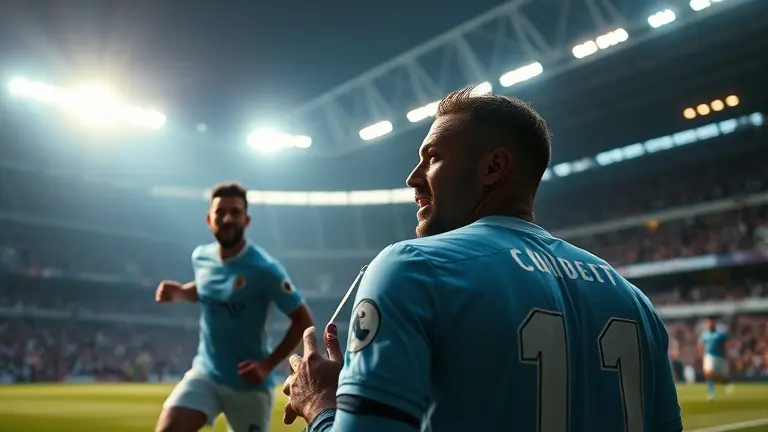
The dust has settled at Wembley Stadium, and the 2026 FA Cup Final between Manchester City and Chelsea has delivered the tactical intensity that defined the entire season. As fans across the globe process the aftermath of this high-stakes showdown, the conversation has moved far beyond the final scoreline. From Pep Guardiola’s sophisticated rotational setups to the tactical defiance of the Chelsea backline, this match served as a profound case study in modern football philosophy.
Whether you are dissecting the impact of key injury reports on the final team selection or analyzing the specific metrics that dictated the flow of the midfield battle, this final represents the peak of professional sporting competition. For those looking to move past superficial reporting, we break down the definitive tactical takeaways from today’s event, offering a deep-dive analysis into the maneuvers that decided the fate of the trophy. Prepare to sharpen your perspective as we decode exactly what transpired on this historic day in London.
The 2026 FA Cup Final: Wembley Showdown Between Manchester City and Chelsea

The 2026 FA Cup final arrives at Wembley Stadium today, May 16, 2026, serving as the crowning jewel of the English football calendar. This highly anticipated clash features a tactical showdown between Manchester City and Chelsea, two clubs with vastly different narratives entering this year’s competition. For Manchester City, this match represents an opportunity to secure their fourth consecutive appearance in the final, further cementing their status as the dominant force in modern English soccer. Pep Guardiola’s side enters the pitch with the weight of expectation, aiming to balance their grueling schedule with the silverware that has become their hallmark.
Conversely, Chelsea approaches this final as a defining moment in their current rebuilding phase. While Manchester City is chasing historical consistency, Chelsea views this fixture as a pivotal opportunity to secure a landmark victory that could define the trajectory of their season and provide a morale-boosting trophy for their supporters. The atmosphere at Wembley is electric, with global eyes locked on London to see if Chelsea’s tactical approach can successfully disrupt the clinical precision that has propelled Manchester City to the top of the pyramid.
Key Factors Shaping the Final
The stakes for this match extend beyond simple trophy aspirations, as both sides look to address critical components of their 2026 campaign:
- Tactical Contrasts: Pep Guardiola’s possession-based system faces a rigorous test against a disciplined Chelsea setup that has prioritized transitional speed throughout the tournament.
- Squad Depth and Fitness: With significant concern surrounding key players like Rodri, team management will be the ultimate deciding factor in the final outcome.
- The Wembley Factor: The iconic venue provides a massive stage, with millions of international viewers tuning in via official broadcast partners to witness the intensity of this high-profile rivalry.
This Chelsea vs. Man City encounter serves as a testament to the endurance and talent within the Premier League. As the match unfolds, the focus remains on whether the seasoned champions can defend their legacy or if the hungry challengers in blue can force an upset that shakes the foundation of the English game.
Tactical Breakdown: Guardiola’s Masterclass vs. Chelsea’s Counter-Attacking Strategy

The 2026 FA Cup final between Manchester City and Chelsea served as a definitive case study in contrasting football philosophies. Pep Guardiola’s side entered the match with their signature high-possession blueprint, prioritizing spatial control and a methodical build-up through the central channels. Even with questions surrounding Rodri’s fitness leading up to kickoff, City’s tactical discipline remained intact, utilizing a fluid pivot system to stifle opponent transitions before they could gain momentum. By overloading the midfield, City forced Chelsea into a defensive block, turning the match into a grueling test of endurance for the London club.
Chelsea, conversely, leaned heavily into a high-intensity, counter-attacking strategy. Understanding that conceding possession was inevitable, they looked to exploit the gaps behind City’s high defensive line. Key tactical takeaways from their approach included:
- Rapid Vertical Transitions: Chelsea sought to bypass City’s initial press by playing direct balls to their pacey forwards, aiming to isolate defenders in 1-on-1 scenarios.
- Midfield Compactness: To neutralize City’s creative threats, Chelsea maintained a narrow defensive shape, forcing the ball into wide areas where they could double up on City’s wingers.
- The “Rodri” Factor: The tactical blueprint for both teams shifted significantly based on the deep-lying playmaker’s presence, as his ability to recycle possession dictates the tempo of the entire match.
While Chelsea vs. Man City has become one of the most intriguing fixtures in English football, this encounter highlighted the difficulty of sustaining a counter-attacking approach against a team as disciplined as Manchester City. Chelsea’s ability to transition into attack was brilliant in spurts, yet City’s control over the pace—largely dictated by their superior ball retention—ultimately defined the flow of the match. For tactical purists, the game was a masterclass in how modern managers balance the risk of a high line against the rewards of suffocating offensive dominance.
Key Moments That Decided the Result

The 2026 FA Cup final between Chelsea vs. Man City was defined by a series of tactical shifts and high-pressure moments that ultimately dictated the outcome at Wembley Stadium. While Manchester City entered the match aiming to cement their dominance with another trophy, Chelsea’s tactical discipline forced a high-stakes chess match that pivoted on three critical junctures.
Tactical Shifts and Midfield Control
The primary turning point occurred when the fitness concerns surrounding Rodri manifested early in the second half. As the match progressed, Manchester City’s control in the center of the park began to wane, allowing Chelsea to transition more effectively. This shift in momentum created a psychological advantage for the London side, who began exploiting spaces between the City defensive line and the midfield pivot. The introduction of fresh legs from the Chelsea bench provided the necessary pace to bypass the traditional City press, forcing Pep Guardiola to abandon his usual possession-heavy rhythm in favor of a more reactive defensive posture.
The Decisive Moments
Specific match-defining events highlighted the thin margins separating the two clubs:
- The High-Press Error: A critical giveaway in the defensive third shifted the tempo, forcing the Manchester City backline to reorganize under extreme duress.
- The Officiating Interpretation: A pivotal VAR check midway through the second half regarding a potential handball significantly halted Manchester City’s forward momentum, causing a measurable drop in intensity.
- Clinical Finishing: Chelsea’s ability to capitalize on a single transition moment proved that composure in front of goal remains the ultimate equalizer against even the most decorated squads.
Ultimately, the result was not merely a matter of talent but of adaptability. While City’s fourth consecutive final appearance demonstrated their historical consistency, Chelsea’s tactical approach—focusing on verticality rather than horizontal ball movement—was the catalyst for the match’s outcome. By forcing the game into a transitional phase, Chelsea neutralized City’s ability to suffocate the match, turning this clash into a defining moment of the 2026 domestic season.
How to Stream the FA Cup in the USA: An Evergreen Guide

For soccer fans in the United States, following the historic FA Cup tournament has become increasingly streamlined thanks to dedicated digital broadcasting agreements. As the world’s oldest football competition, the FA Cup draws massive interest stateside, especially for marquee fixtures like the Chelsea vs. Manchester City final. To ensure you never miss a match during the upcoming 2026/2027 season, understanding the primary distribution channels is essential for a reliable viewing experience.
Official Broadcast Rights and Streaming Platforms
The primary home for the FA Cup in the United States is ESPN+. As part of its extensive portfolio of global soccer rights, the platform provides comprehensive live coverage of every round, from the early qualifying stages through the high-stakes final at Wembley Stadium.
- ESPN+ Subscription: This is the essential tool for US viewers. It offers live streams of all matches, on-demand replays, and expert studio analysis.
- Accessibility: You can access ESPN+ through the ESPN app on smart TVs, mobile devices, tablets, and gaming consoles, or directly via web browsers.
- Integrated Packages: For cord-cutters, the service is often available as part of the “Disney Bundle,” which provides added value by including Hulu and Disney+.
Tips for a Seamless Viewing Experience
To optimize your coverage of tournaments like the FA Cup, consider these expert tips. First, ensure your internet connection is stable, as high-definition live sports require consistent bandwidth to prevent buffering during critical moments. Second, utilize the “watch party” features or social media live-blogging tools provided by outlets like The Athletic or Sporting News to supplement your viewing experience with real-time tactical insights.
Because match schedules often shift due to broadcast requirements and broadcasting windows, always check the official ESPN app’s schedule tab or their social channels 24 to 48 hours before kickoff. By maintaining an active ESPN+ subscription and staying informed on fixture updates, fans can reliably follow the journey of giants like Chelsea or Manchester City as they navigate the rigorous tournament bracket each season.
Master the Tactics Behind the Beautiful Game
The 2026 FA Cup Final between Manchester City and Chelsea wasn’t just a spectacle of athleticism; it was a masterclass in tactical chess played at the highest level of world football. For the true connoisseur, the game provided a rich tapestry of tactical pivots, player positioning nuances, and high-stakes decision-making that separated the champions from the challengers. Understanding the ‘why’ behind each substitution and defensive shift is what separates the casual viewer from the master of the sport.
Deciphering such intense strategic battles requires not just passion, but extreme mental clarity. Just as the elite players on the pitch need to maintain razor-sharp focus under the lights of Wembley, you need a high-performance mind to capture every granular detail of these complex data-driven match breakdowns. When the game moves this fast, the difference between seeing the play and understanding the strategy lies in your ability to process information with precision.
This is where The Brain Song becomes your essential match-day companion. Designed for the analytical enthusiast, our 12-minute auditory routine is the only tool that clears away mental fog, sharpening your cognitive focus so you can absorb and analyze professional-grade sports tactics with ease. Don’t just watch the next final—understand the mechanics of greatness.  Sharpen your focus and catch every tactical nuance of the game; try The Brain Song’s 12-minute auditory routine today.Yes, I Want to Sharpen My Focus Now!