
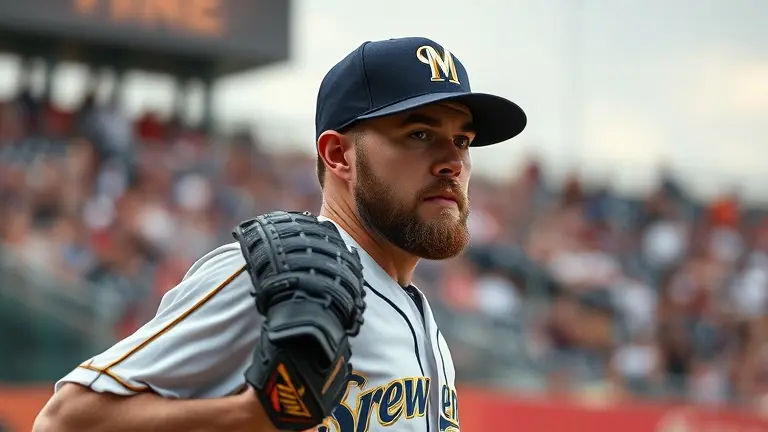
As the Milwaukee Brewers enter Target Field today with a solid 24-17 record, all eyes are locked on the mound for the series opener against the Minnesota Twins. While the buzz surrounding brewers vs twins is loud, the real analytical intrigue lies in the start of Coleman Crow. Holding a sharp 3.38 ERA, Crow has become the focal point for bettors and fantasy managers eager to dissect his pitch-type effectiveness against a disciplined Twins lineup. This isn’t just another interleague matchup; it is a high-stakes chess match where granular pitching metrics and strikeout probabilities will dictate the flow of the game.
For those looking to gain a legitimate edge, moving beyond standard box scores is essential. Understanding how Crow’s unique arsenal interacts with specific hitter tendencies at Target Field is the difference between a calculated prediction and a blind guess. In this breakdown, we peel back the layers of Crow’s current form to help you identify the winning angles before the first pitch is even thrown.
Brewers vs. Twins: The May 15th Interleague Showdown at Target Field
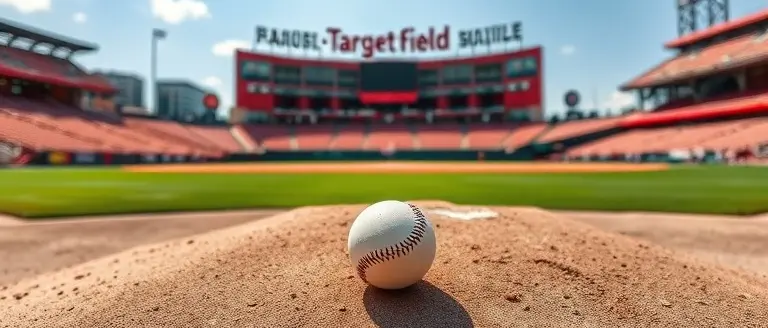
The brewers vs twins matchup on May 15, 2026, represents a critical intersection of interleague strategy and rising talent evaluation. As the Milwaukee Brewers enter Target Field boasting a solid 24-17 record, the pressure is on to maintain their divisional momentum against a resilient Minnesota squad. This series opener is not merely a contest for bragging rights; it serves as a high-stakes litmus test for the Brewers’ rotation, specifically regarding the performance of emerging starter Coleman Crow. With the spotlight squarely on the mound, fans and analysts are closely monitoring how Crow handles the transition to this high-pressure interleague environment.
The Coleman Crow Factor
The intense interest surrounding this game is largely driven by Coleman Crow, whose 3.38 ERA has made him a focal point for both fantasy managers and the sports betting community. Entering this start, Crow has demonstrated a command of the zone that suggests he is capable of deep outings, even against a balanced Twins lineup. Key elements of his current profile that observers are tracking include:
- Pitching Repertoire: Analysts are evaluating the effectiveness of his secondary pitches against aggressive Minnesota hitters who thrive on early-count pitches.
- Betting Market Impact: Betting lines have shifted significantly in anticipation of Crow’s performance, with strikeout props becoming a central theme for bettors researching the matchup.
- Strategic Matchup: The ability for the Brewers to secure an early lead hinges on Crow’s capacity to limit high-leverage situations throughout the middle innings.
Evidence suggests that how Crow executes his delivery against the Twins’ core hitters will dictate the pacing of the entire series. For the Brewers, a strong showing from their starter would reinforce their status as legitimate contenders, while the Twins look to exploit any early-season jitters from the young pitcher. As the betting markets fluctuate, the consensus remains that this game is one of the most analytically intriguing matchups of the day.
Scouting Coleman Crow: Pitching Metrics and Impact
As the Milwaukee Brewers visit Target Field for this high-stakes interleague matchup, all eyes are on Coleman Crow. Entering the game with a solid 3.38 ERA, Crow has emerged as a reliable rotation piece, demonstrating a maturity on the mound that belies his experience level. His success is built upon a diverse repertoire that keeps opposing hitters off-balance, primarily characterized by a deceptive fastball and sharp-breaking secondary offerings. Analysts tracking the brewers vs twins series note that Crow’s ability to maintain high spin rates on his breaking pitches has been a cornerstone of his recent outings, allowing him to induce weak contact and effectively navigate high-leverage situations.
Analyzing the Pitching Arsenal Against Minnesota
To succeed against the Minnesota Twins’ current offensive lineup, Crow must leverage his command of the strike zone. Evidence suggests that his secondary pitches—specifically his slider—have been lethal against right-handed hitters, a key factor given the Twins’ roster construction. When evaluating his metrics, consider the following performance indicators:
- Pitch Velocity: Crow maintains a consistent release point, which obscures his velocity differential, making it difficult for hitters to time his secondary pitches.
- Spin Rate: His high-spin fastball allows for greater “ride” through the zone, an effective tool for generating swing-and-miss outcomes at the top of the strike zone.
- Command Efficiency: By limiting free passes, Crow forces the Twins to swing early, playing right into his strategy of efficient, pitch-to-contact innings.
The matchup between Coleman Crow and the Twins’ batting order is a classic “finesse vs. power” test. If Crow can successfully locate his pitches on the outer half of the plate, he has the potential to neutralize the Twins’ power hitters early in the count. His ability to adapt his pitch sequencing will be the definitive factor in whether the Brewers can secure an early series lead in Minneapolis.
Twins Hitting Tendencies vs. Brewers’ Defensive Strategy
The brewers vs twins matchup at Target Field presents a fascinating tactical chess match, particularly regarding how the Milwaukee pitching staff plans to navigate the Minnesota lineup. Entering the game, the Twins have displayed a high propensity for chasing pitches out of the zone, maintaining a strikeout rate that spikes against high-velocity, movement-heavy arsenals. For Coleman Crow, who carries a respectable 3.38 ERA into this start, the blueprint for success involves exploiting the Twins’ aggressive approach. Data suggests that Minnesota hitters often struggle with secondary pitches that tunnel effectively off a high-rising fastball, a specialty in Crow’s evolving repertoire.
Neutralizing the Middle-Order Threats
To mitigate the Twins’ offensive production, the Brewers’ defensive strategy likely hinges on a methodical pitch-sequencing plan designed to keep hitters off-balance. By analyzing recent plate discipline metrics, the Milwaukee coaching staff has identified specific “chase zones” where the Twins’ lineup is most vulnerable to swinging at pitches that lack strike-zone integrity.
Key defensive adjustments for the Brewers include:
- Leveraging Tunneling: Utilizing the similarity between Crow’s primary fastball and his sharp-breaking slider to induce weak contact or whiffs from Twins power hitters.
- Aggressive First-Pitch Strikes: Minimizing deep counts to prevent the Twins from capitalizing on mistakes, forcing them to put the ball in play against a reliable Brewers defense.
- Targeting High-Strikeout Profiles: Focusing on the bottom half of the Minnesota order, where evidence suggests a higher vulnerability to off-speed pitches dropped into the lower edge of the zone.
By forcing the Twins to work under pressure, Coleman Crow can effectively command the strike zone while utilizing his defensive unit to convert routine fly balls and grounders into outs. For fantasy managers and bettors monitoring this game, the primary indicator of success will be Crow’s ability to maintain his pitch efficiency while navigating the heart of the order. If the Brewers successfully execute this game plan, they should effectively neutralize the Twins’ rhythmic hitting tendencies, keeping the game low-scoring and firmly in Milwaukee’s control.
Betting Insights: Prop Bets and Statistical Probability

The brewers vs twins series opener at Target Field presents a fascinating puzzle for sports bettors, primarily centered on the performance of Milwaukee starter Coleman Crow. With a solid 3.38 ERA entering this contest, Crow has established himself as a reliable arm, though the transition to facing a high-contact Minnesota lineup requires a nuanced look at his underlying metrics. Analytical models indicate that Crow’s strikeout probability remains the most volatile variable for prop bettors. Given his current efficiency, books are projecting tight lines on his total strikeouts, forcing bettors to weigh his ability to pitch deep into the game against the Twins’ disciplined approach at the plate.
When evaluating the risk-reward profile of this matchup, it is essential to consider the Brewers’ 24-17 record. This standing suggests a team that consistently finds ways to win, often supported by efficient middle-inning pitching. To capitalize on the current market, consider the following statistical frameworks:
- Strikeout Prop Volatility: Analyze Crow’s whiff rate against right-handed versus left-handed batters in the Twins’ lineup. Evidence suggests that pitchers with Crow’s profile see a decrease in K-rate when facing teams that prioritize low-strikeout-percentage offensive strategies.
- Total Runs (Over/Under): The total runs market is heavily influenced by Target Field’s park factors and the current bullpen depth for both clubs. Monitor late-inning pitching adjustments, as the Brewers’ strong record is often a byproduct of their high-leverage reliever effectiveness.
- Pitch-Type Effectiveness: Focus on how Crow utilizes his primary secondary pitches to induce weak contact. If the weather conditions in Minneapolis favor the hitter, the “Over” on total runs may offer superior value compared to relying on a dominant starting pitching performance.
Ultimately, successful betting on this matchup requires moving beyond simple win-loss projections. By focusing on Coleman Crow’s ability to navigate the Twins’ order the second time through, bettors can better identify edges in strikeout props and team-total run lines. Assess the game not just as a head-to-head, but as a series of micro-battles between pitch velocity, location accuracy, and the specific hitting tendencies of the Twins’ veteran hitters.
Unlock Your Peak Analytical Performance
Mastering the intricacies of Coleman Crow’s pitching repertoire requires more than just raw data—it demands a high level of mental clarity and sustained focus. Analyzing strikeout probabilities and pitch-type success against the Twins’ lineup is an exhaustive process that can quickly lead to cognitive fatigue, potentially costing you the critical insights needed for your game-day decisions.
This is where the demand for mental optimization meets the necessity of performance. Just as an athlete sharpens their physical skills, the serious sports analyst must refine their cognitive output to stay ahead of the curve. The Brain Song is designed for high-performing individuals who need to maintain that razor-sharp competitive edge, offering a 12-minute audio routine that sustains your focus during intense data analysis sessions. By integrating this tool into your pre-game preparation, you transform from a passive observer into a data-focused professional, ensuring your mind is ready to process complex metrics without the fog of mental burnout.
Experience the mental clarity required to dominate your next fantasy draft or betting breakdown. Let us help you elevate your analytical game and maintain peak performance when it matters most.
 Optimize your cognitive performance for your next fantasy baseball draft or betting breakdown with The Brain Song.Yes, I Want to Sharpen My Focus Now!