
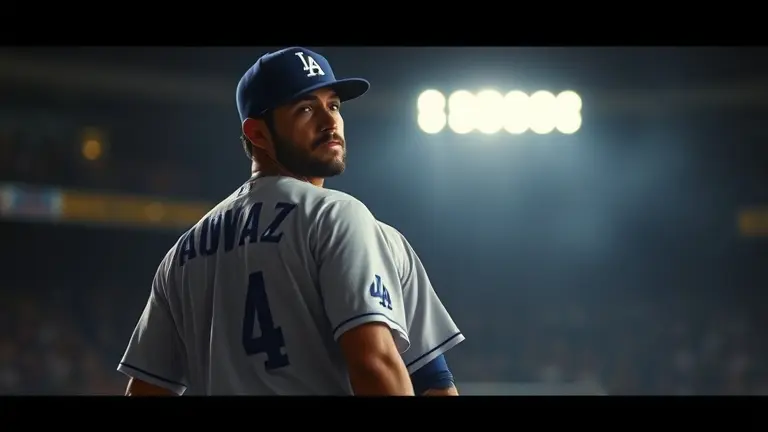
The sports world is reeling following a bombshell investigative report published by USA Today on May 14, 2026, which alleges a disturbing connection between Los Angeles Dodgers relief pitcher Edwin Díaz and illegal cockfighting activities in Puerto Rico. The report highlights promotional materials and graphic social media advertisements that allegedly feature the MLB All-Star in his Dodgers uniform, seemingly lending his platform to a blood sport that is federally banned across all U.S. territories.
As this story gains rapid traction, fans are left searching for answers regarding the nature of the evidence, the legal standing of cockfighting in Puerto Rico, and whether Díaz will face disciplinary action from the league. With high-profile athletes held to strict codes of conduct, this situation raises critical questions about personal responsibility, sponsorship repercussions, and the lasting impact such allegations may have on a player’s career legacy. In this article, we break down the facts currently available, address the legal landscape, and examine the potential implications for the Dodgers organization.
USA Today Investigative Report: Edwin Díaz Cockfighting Allegations
On May 14, 2026, an investigative report published by USA Today brought to light serious allegations connecting Edwin Díaz, the high-profile Dodgers relief pitcher, to the world of illegal cockfighting in Puerto Rico. The report, which has since sent ripples through the sports world, centers on evidence linking the star athlete to the promotion and support of these banned blood sports. While the inquiry covers multiple high-profile sports figures, the inclusion of Díaz—a multi-time MLB All-Star—has garnered significant public and media attention, fueling intense discourse on platforms such as Reddit and X.
Nature of the Allegations
The core of the allegations relies on digital evidence and promotional materials discovered by investigators. According to the reporting, the specific points of contention include:
- Promotional Imagery: Graphic advertisements for cockfighting tournaments in Puerto Rico were found to prominently feature Díaz.
- Unauthorized Branding: These materials reportedly display the pitcher wearing his official Los Angeles Dodgers uniform, creating a visual association between his professional brand and the illicit activity.
- Participation Claims: The investigation highlights how these promotional items were used to bolster the legitimacy of tournaments, though the extent of the athlete’s personal involvement beyond the usage of his likeness remains a subject of ongoing scrutiny.
Legal and Professional Context
It is critical to note that cockfighting is a federally banned practice throughout the United States and all U.S. territories, including Puerto Rico. The federal prohibition makes the operation, participation, and promotion of these events a clear violation of law. Because these allegations involve a high-profile player currently under contract with a major organization, observers are closely monitoring whether the MLB or the Dodgers will initiate formal investigations into potential violations of league conduct policies. As of now, the situation remains a developing story, with stakeholders awaiting official statements regarding the authenticity of the promotional graphics and the athlete’s connection to the reported events.
The Legality of Cockfighting in Puerto Rico

To understand the gravity of the allegations linking Edwin Díaz to illicit activities, one must first recognize the clear legal standing of cockfighting within the United States. Cockfighting is considered a federal crime throughout all 50 states and U.S. territories, including Puerto Rico. While the practice historically held a deep-seated place in Puerto Rican culture, the passage of the 2018 Farm Bill (The Agriculture Improvement Act of 2018) effectively closed any loopholes that previously allowed for localized regulation of the sport.
Federal Enforcement and the 2018 Farm Bill
Before 2018, the status of cockfighting in Puerto Rico existed in a legislative gray area. However, the 2018 Farm Bill amendment was definitive. It extended the prohibition of animal fighting to all U.S. territories, explicitly banning the possession, training, and transport of birds intended for fighting. Key legal implications include:
- Universal Jurisdiction: The ban applies equally to Puerto Rico as it does to any state on the U.S. mainland. There are no exemptions for cultural or traditional practices under federal law.
- Criminal Liability: Engaging in, sponsoring, or exhibiting animal fighting is a felony under federal statutes. This can result in significant prison time and heavy financial penalties.
- Interstate Commerce: The law specifically targets the movement of birds and equipment across state lines, making it a federal matter that can involve the U.S. Department of Justice.
Despite local pushback and legislative attempts within Puerto Rico to preserve the industry following the federal ban, the Supreme Court of the United States and lower federal courts have consistently upheld the federal government’s authority to regulate these activities. Consequently, the association of high-profile figures like a Dodgers pitcher with such events is not merely a social controversy; it carries serious legal weight under U.S. federal guidelines, regardless of the player’s personal or geographic background. Any promotion of these events, as alleged in the recent USA Today report, places the individuals involved under intense scrutiny regarding their compliance with federal anti-cruelty legislation.
Nature of the Evidence: Promotional Graphics and Social Media

The investigative report published by USA Today on May 14, 2026, centers on a series of digital artifacts that have brought Edwin Díaz under intense public scrutiny. The primary evidence cited in the report consists of graphic promotional materials disseminated on social media platforms, which appear to link the Dodgers relief pitcher to illegal cockfighting tournaments in Puerto Rico. These graphics are notable for their professional composition, featuring high-resolution imagery of the MLB star prominently displayed in his official Dodgers uniform. By utilizing the likeness of such a high-profile athlete, these promotional materials sought to lend a sense of legitimacy or prestige to events that are strictly prohibited under both federal law and local statutes.
Analysis of the Promotional Materials
The implications of these findings hinge on whether the player’s likeness was used with his express consent or if this constitutes an unauthorized appropriation of his brand. Key observations regarding the evidence include:
- Visual Branding: The promotional graphics prominently feature the athlete’s professional image, suggesting an alignment between his public identity and the subculture of blood sports.
- Contextual Usage: The advertisements appear designed to attract attendees to, or build hype for, specific matches held in clandestine venues across Puerto Rico.
- Verification Challenges: Investigators are currently working to determine the origin of these graphics and whether Edwin Díaz had any direct involvement in the production or distribution of the content.
The use of an MLB player’s official branding in relation to a federally banned activity creates a significant liability for all parties involved. While the presence of an athlete’s image does not definitively prove personal participation, it raises critical questions regarding professional conduct and the potential for reputational damage. As the investigation continues, sports legal experts are monitoring whether the Dodgers organization or the league will issue formal statements regarding the unauthorized or alleged endorsement of these illegal tournaments. The situation remains fluid as authorities analyze the digital trail left by the organizers of these events.
MLB and Dodgers Organization Response

Following the explosive report published by USA Today on May 14, 2026, the Los Angeles Dodgers and Major League Baseball have faced intense scrutiny regarding the allegations linking Edwin Díaz to illegal cockfighting in Puerto Rico. As of this writing, both the franchise and the league office have maintained a measured stance, indicating that they are in the process of reviewing the evidence provided in the investigation. The use of Díaz’s professional likeness and team branding in promotional materials for these events has raised significant concerns, as it directly implicates an MLB-affiliated entity in an activity that has been federally banned across all U.S. jurisdictions, including Puerto Rico, since 2019.
Regulatory and Disciplinary Implications
The association of a high-profile athlete with a criminal enterprise, even indirectly, triggers complex considerations under the MLB Code of Conduct and existing collective bargaining agreements. The league’s current disciplinary protocols regarding off-field conduct are rigorous, and they often allow for investigations into actions that might “bring disrepute” to the game of baseball. Potential repercussions for Díaz may include:
- Internal Investigations: The MLB Commissioner’s Office has the authority to launch an independent inquiry to determine the extent of the player’s involvement and whether his image was used with his explicit consent or knowledge.
- Violation of Personal Conduct Policies: If evidence confirms that Díaz actively promoted or participated in the illegal blood sports, the league could pursue suspension or fines under the commissioner’s disciplinary powers.
- Contractual Liability: The Dodgers may evaluate whether the association constitutes a breach of morality clauses often found in professional athlete contracts, which could impact his standing with the organization.
The sports community remains in a state of high alert as fans and stakeholders await official statements. Because cockfighting remains a felony under federal law, the league’s response will likely set a precedent for how it handles off-field conduct involving illegal activities within U.S. territories. The situation remains fluid, and the Dodgers are expected to address the matter formally as more information regarding the authenticity of the promotional graphics comes to light.
Finding Clarity Beyond the Headlines
The unfolding situation regarding Edwin Díaz and the reported links to cockfighting activities serves as a stark reminder of how quickly professional reputations can be compromised by off-field conduct. As sports fans and the media await further developments from the Dodgers organization and the MLB regarding potential disciplinary actions, the primary takeaway remains the gravity of engaging in activities that violate both federal law and institutional codes of conduct. Understanding the intersection of legal complexities in U.S. territories and the high expectations placed on professional athletes is essential for navigating this evolving story.
Much like navigating the complex intersection of sports legacy and legal rules requires precision and a clear blueprint, many fans are looking to step away from the headlines and reclaim their focus through hands-on, constructive projects. When the noise of the news cycle becomes overwhelming, there is immense value in shifting your attention toward tangible, rewarding tasks that offer total technical certainty.
For those looking to trade the uncertainty of the headlines for the satisfaction of building something lasting, Ted’s Woodworking offers a path to clarity. By providing 16,000 professional, workshop-tested plans, this resource eliminates the frustration of trial-and-error, ensuring that every project is a success. It is the perfect ‘mental reset’ tool for anyone seeking to move from the chaotic speculation of the sports world to the structured, predictable, and creative satisfaction of professional-grade woodworking.
 Trade the uncertainty of the headlines for the satisfaction of building something lasting; explore the definitive library of woodworking plans here.Yes, I Want This Now!