
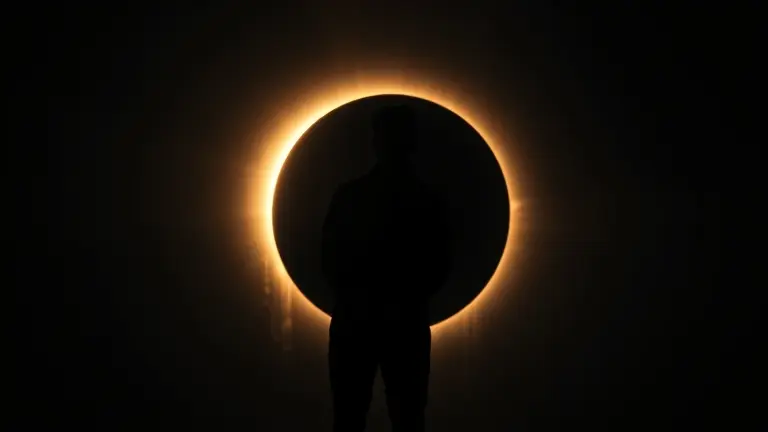
On August 12, 2026, the sky will darken across parts of Greenland, Iceland, and northern Spain as a major total solar eclipse captivates the world. While global interest is surging, many in the United States are left wondering: what time is the solar eclipse on August 12, and will it be visible from my backyard? It is critical to separate the hype from reality—unlike previous North American events, this 2026 spectacle does not offer a path of totality across the contiguous United States. For many American viewers, the experience will range from a minor partial eclipse in select northern territories to being completely out of sight.
Navigating the complex astronomical data and regional visibility maps of the total solar eclipse 2026 can quickly lead to mental fatigue. Whether you are hunting for high-quality livestreams or trying to verify if your specific location offers even a glimpse of the moon’s transit, separating fact from fiction is essential. In this guide, we provide a clear, science-backed breakdown of the event, helping you stay informed without the confusion often caused by over-sensationalized news cycles.
The August 12, 2026 Total Solar Eclipse: What You Need to Know

The total solar eclipse 2026 is one of the most highly anticipated astronomical events of the decade, drawing significant attention from global media outlets. Scheduled for August 12, 2026, this rare celestial alignment will cast a shadow of totality across specific regions in the Northern Hemisphere. Unlike the widely celebrated eclipses that have previously crossed the contiguous United States, this path of totality is geographically restricted. The moon’s shadow will primarily track across the Arctic, specifically touching parts of Greenland, Iceland, and northern Spain. For those tracking an eclipse today or preparing for the event, it is crucial to understand that while the global interest is immense, the physical phenomenon of a total eclipse will not be visible from most of the Americas.
Managing Expectations for US Viewers
If you are currently located in the United States, it is important to distinguish between viral media hype and the geographical reality of the event. Because the solar eclipse August 2026 path is concentrated in Europe and the Arctic, US-based observers will not experience the “darkness at midday” that characterizes a total eclipse. While some northern regions of the US might witness extremely minor, non-observable partial effects depending on atmospheric conditions and exact coordinates, the vast majority of the country will not see a visible eclipse. To avoid confusion, consider these points regarding the solar eclipse:
- Path of Totality: The shadow moves exclusively through Greenland, Iceland, and the northern territories of Spain.
- US Visibility: There is no total eclipse visibility within the contiguous United States.
- Reliable Viewing: To experience the event safely, US residents should rely on official livestreams provided by reputable scientific organizations rather than expecting local visibility.
For those curious about what time is the solar eclipse on August 12, it is essential to adjust your schedule based on the international zones of the path—specifically Western European Time (WET) and Central European Time (CET). Relying on verified sources ensures you receive accurate data, separating the legitimate scientific significance of this event from common digital misinformation. Prioritizing legitimate educational resources will provide a far more rewarding experience than searching for a local view that is physically impossible in North America.
Path of Totality: Where the Eclipse Will Be Visible

The total solar eclipse 2026 is a highly anticipated astronomical event occurring on August 12, 2026. Unlike the major celestial events that crossed the contiguous United States in recent years, the path of totality for this specific eclipse is primarily focused on the Northern Hemisphere, specifically targeting the Arctic and Western Europe. Observers located within this narrow corridor will experience the moon fully obscuring the sun, creating the dramatic “black sun” phenomenon that characterizes a total eclipse.
Geographic Path and Visibility
The journey of the moon’s shadow begins in the remote Arctic regions, sweeping across eastern Greenland and parts of Iceland before moving southeastward toward Europe. Northern Spain serves as the primary landmass for viewing the totality, drawing significant global attention to cities along the path. Outside of these specific zones, the viewing experience diminishes significantly.
- Greenland and Iceland: These regions are among the first to witness totality, offering prime viewing conditions for those positioned directly in the central track.
- Northern Spain: Coastal areas and inland regions within the path will experience several minutes of darkness during the late afternoon.
- Partial Visibility: Peripheral areas across Europe, North Africa, and parts of the Arctic will observe a partial eclipse, where the moon obscures only a portion of the solar disk.
Important Notice for North American Residents
It is crucial for US-based observers to understand that the solar eclipse August 2026 is not visible as a total event from the contiguous United States. Despite extensive media coverage, the physical reality of this event means that most North American residents will not experience any visual changes. If you are searching for “what time is the solar eclipse on August 12” from a US location, you will likely find no local visibility. To participate in this event, we recommend accessing reliable livestream feeds provided by major astronomical organizations, which will broadcast the path of totality in real-time, ensuring you do not miss the spectacle regardless of your geographic constraints.
How to Watch the 2026 Eclipse Safely from the US

While the total solar eclipse 2026 is generating immense global excitement, it is crucial for viewers in the United States to understand that the path of totality is exclusive to the Arctic, Greenland, and northern Spain. Because the solar eclipse August 2026 will not be physically visible as a total event from the contiguous U.S., the most reliable way to experience this astronomical phenomenon is through high-definition digital broadcasts. Various international space agencies and reputable news organizations will host live streams, allowing you to witness the moon obscuring the sun in real-time from the comfort of your home.
Digital Viewing and Historical Significance
The eclipse today serves as a unique educational opportunity to observe a rare celestial alignment. This specific event is historically significant because it passes directly over major European population centers, providing researchers with an unprecedented dataset on solar corona activity and atmospheric shifts. To participate safely and accurately:
- Reliable Livestreams: Access official feeds from NASA, the European Space Agency (ESA), or major verified science media outlets to avoid low-quality or potentially misleading content.
- Virtual Participation: Utilize digital platforms to track the exact what time is the solar eclipse on August 12 transition across the European landscape, which occurs several hours ahead of U.S. time zones.
- Safety Protocols: Even if you are viewing an eclipse from a location where a partial phase is theoretically visible in the far northern regions, never look directly at the sun without ISO-certified eclipse glasses. Permanent eye damage can occur in seconds.
- Avoid Misinformation: Be wary of viral social media posts suggesting the event is visible across the entire U.S.; rely only on official meteorological and astronomical data sources to confirm your local visibility status.
By focusing on verified livestreams, you ensure a clear, safe, and educational experience that captures the grandeur of this event without the risks associated with improper direct viewing.
The Science Behind the 2026 Total Solar Eclipse
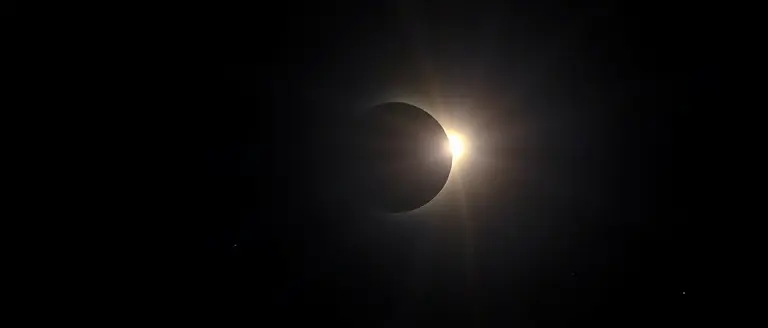
The total solar eclipse 2026 is a result of the precise syzygy, or alignment, of the Earth, the Moon, and the Sun. Astronomically, this occurs when the Moon passes between the Sun and our planet, casting a shadow known as the umbra upon the Earth’s surface. Because the Moon’s orbit is tilted approximately five degrees relative to the ecliptic plane—the path the Sun appears to take across the sky—most new moons do not result in an eclipse. The solar eclipse August 2026 event is particularly rare because it aligns during a node, the specific point where the Moon’s orbital path intersects the ecliptic, creating the perfect geometric conditions for a total blockage of the solar disk.
Why the Path of Totality is Unique
While the eclipse phenomenon is constant, its visibility is highly localized. The path for this event is uniquely restricted to the Northern Hemisphere, crossing through Greenland, Iceland, and northern Spain. This specific trajectory is determined by the “Saros cycle,” a period of approximately 18 years, 11 days, and 8 hours that dictates the recurrence of similar eclipse geometries. Because the Earth rotates during the Moon’s transit, each subsequent shadow track shifts westward, causing the total solar eclipse 2026 to follow a track far removed from the contiguous United States. Key factors influencing this path include:
- Orbital Mechanics: The Moon’s elliptical distance from Earth, which affects the shadow’s width and duration.
- Earth’s Rotation: The speed at which the planet turns beneath the lunar shadow cone.
- Geographic Convergence: The specific latitude and longitude of the lunar nodes during the August 12 window.
The intense media coverage regarding the solar eclipse today often obscures the physical reality: that an eclipse of this magnitude is a localized mechanical event. While the what time is the solar eclipse on august 12 queries are surging globally, US residents must understand that the “totality” is a rare, hyper-localized experience. This alignment serves as a poignant reminder of our position in the solar system, where the Moon—400 times smaller than the Sun but 400 times closer—creates the breathtaking visual phenomenon that continues to captivate global science communities.
Maximize Your Mental Clarity for Astronomical Events
As you prepare to track the 2026 eclipse through livestreams and regional updates, ensure you have the mental sharpness required to process this complex scientific data. Keeping up with global phenomena demands sustained cognitive focus and an agile mind, free from the digital noise that often creates mental fog. By staying informed with reliable resources, you move beyond the hype and gain a true understanding of this rare celestial event.
To truly analyze the data and follow the intricate details of the eclipse, you need your brain functioning at its peak. This is where The Brain Song becomes an essential tool for your scientific discovery. By utilizing neuroscience-based auditory stimulation, it helps you eliminate distractions, enhance your learning capacity, and maintain the sharp focus needed to digest complex astronomical reports in real-time. It is the natural companion for any curious mind eager to engage deeply with the world around them.
Optimize your cognitive performance as you bridge the gap between curiosity and expert-level understanding. Integrate this science-backed auditory tool into your routine to ensure you never miss a detail. Experience the difference in your focus today as you prepare for the upcoming solar eclipse updates.
 Optimize your focus for the 2026 eclipse updates—try The Brain Song today to sharpen your cognitive clarity.Yes, I Want To Sharpen My Focus Today!