

The recent series between the Philadelphia Phillies and the St. Louis Cardinals has evolved into a fascinating case study on the pressures of late-season bullpen management. While box scores capture the finality of a 6-5 victory or a 2-0 heartbreak, they often obscure the underlying narrative of a team in transition. The front office’s decision-making—most notably the aggressive roster shuffling that saw Alan Rangel optioned to Triple-A Lehigh—reveals a clear mandate: the Phillies are sacrificing immediate bullpen comfort in exchange for testing the ceiling of their elite pitching prospects, including the highly anticipated Andrew Painter.
For fans and analysts alike, these MLB games represent more than just a clash in the standings; they are a window into the cold, calculated science of mid-season pitching strategy. As the Phillies navigate the fine line between contending for a title and auditioning the next generation of arms, the ability to discern the ‘why’ behind these moves is paramount. In this deep dive, we look beyond the transactions to understand how these high-stakes tactical shifts are fundamentally reshaping the team’s path toward the postseason.
Analyzing the Phillies vs. Cardinals Series: A Pitching Staff in Flux
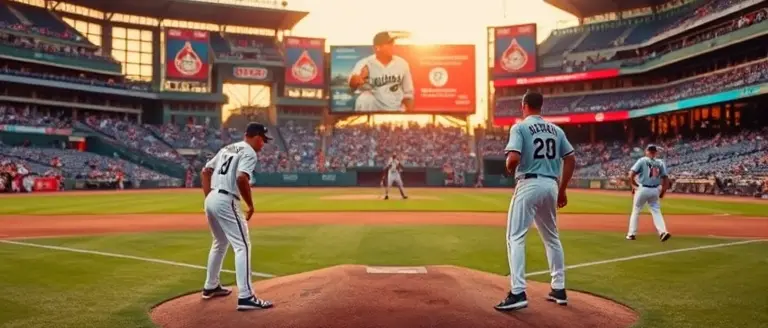
The August 2026 three-game set between the Philadelphia Phillies and the St. Louis Cardinals has served as a crucible for the Phillies’ front office. The series trajectory—marked by an intense 6-5 victory followed by a stagnant 2-0 shutout—perfectly encapsulates the current volatility within the team’s pitching staff. These MLB games have underscored a strategic pivot; rather than relying on a static rotation, management is prioritizing high-frequency roster turnover to address immediate bullpen fatigue and performance gaps. By opting to shuffle arms during a marquee matchup against the Cardinals, the organization is signaling that the quest for late-season efficiency outweighs the benefits of roster continuity.
The Strategic Shift in Bullpen Management
The recent transaction involving the optioning of Alan Rangel to Triple-A Lehigh marks a definitive shift in how the Phillies are approaching their depth. Evidence suggests that the team is no longer content with “middle-of-the-road” reliability, choosing instead to audition high-upside prospects under pressure. Key observations from this series include:
- Roster Volatility: The immediate promotion of internal assets following Rangel’s move highlights an aggressive, “next-man-up” philosophy designed to keep opposing hitters off-balance.
- Prospect Integration: All eyes remain on Andrew Painter and his role within the bullpen hierarchy. Integrating top prospects during high-stakes games against playoff-caliber opponents like the Cardinals allows the coaching staff to gauge mental toughness in real-time.
- Performance Disparity: The gap between the 6-5 offensive surge and the 2-0 defensive struggle illustrates the fragility of a pitching staff that lacks a solidified bridge to the closer.
As the series concludes, the Phillies remain in a precarious position. The front office’s willingness to disrupt the roster during an active series reflects a broader initiative to identify which arms can contribute to a deep postseason run. For fans and analysts, the Phillies vs. Cardinals series acts as a diagnostic test: while short-term results may fluctuate, the integration of talent like Painter suggests a clear long-term objective of maximizing raw bullpen potential before the final stretch of the season.
The Rangel-to-Lehigh Move: Strategic Necessity or Stopgap?

The decision to option Alan Rangel to Triple-A Lehigh marks a pivotal turning point in how the Philadelphia Phillies are managing their pitching staff during the high-stakes August series against the St. Louis Cardinals. While the move appears to be a reactionary measure following a volatile stretch of MLB games, a deeper analysis of his recent efficiency metrics suggests a calculated effort to preserve bullpen stability. Rangel struggled to command the zone against the Cardinals’ patient hitters, leading to a spike in high-leverage walks that taxed the relief core. By sending him to Lehigh, the coaching staff is prioritizing “recalibration”—allowing him to refine his secondary offerings without the immediate pressure of a pennant-race atmosphere.
Strategic Implications for Bullpen Depth
The void left by Rangel has intensified the conversation surrounding top prospects, specifically Andrew Painter. Fans and analysts alike are questioning whether this roster shuffle is merely a temporary stopgap or a long-term shift toward integrating younger, high-ceiling talent. The following factors highlight why this transition was deemed necessary:
- High-Leverage Efficiency: Rangel’s struggles in high-leverage spots necessitated a move, as the Phillies vs Cardinals series underscored the team’s urgent need for strike-throwers who can avoid free passes in close games.
- The Painter Factor: Integrating Andrew Painter represents a tactical pivot from relying on middle-relief veterans to utilizing elite prospect velocity. If Painter can provide the bridge-inning stability Rangel lacked, it changes the geometry of how the team approaches the seventh and eighth innings.
- Arm Preservation: By utilizing the Triple-A option, the Phillies front office ensures they maintain roster flexibility, keeping their options open for both long-relief reinforcements and fresh arms to handle the remainder of the schedule.
Ultimately, this move reflects a shift toward a more data-driven approach to roster management. While the optics of demoting a major leaguer mid-series can be perceived as chaotic, the evidence suggests that the Phillies are prioritizing mid-inning reliability to prevent the bullpen from burning out during the stretch run.
Andrew Painter and the New Guard: Defining Bullpen Roles

The recent phillies vs cardinals series has served as a crucible for the Philadelphia Phillies‘ pitching staff, signaling a deliberate shift in how the front office evaluates bullpen depth. By optioning Alan Rangel to Triple-A Lehigh and integrating prospects into high-leverage situations, the coaching staff is actively stress-testing their secondary options against formidable National League competition. This tactical maneuver is not merely about covering innings; it is a calculated effort to determine who can be trusted in the high-stakes environment of a late-season playoff chase.
Integrating Prospects in High-Stakes MLB Games
The emergence of Andrew Painter represents the centerpiece of this organizational pivot. Unlike traditional roster management that leans on veteran innings-eaters, the Phillies are opting to see how young arms handle the immediate pressure of the MLB games against St. Louis. Integrating prospects during such a tight series offers management a unique data set that box scores alone cannot provide. Key considerations for this strategy include:
- High-Leverage Resilience: Monitoring how Painter and his contemporaries respond to runners in scoring position when the game hangs in the balance.
- Pitch Mix Versatility: Assessing whether these younger arms can effectively cycle through their secondary offerings against experienced Cardinals hitters.
- Roster Flexibility: Replacing Rangel with emerging talent allows the Phillies to optimize their 26-man roster, ensuring they have fresh, high-velocity options to preserve the primary starters.
The balance between chasing an immediate series win and developing a reliable post-season bullpen is delicate. Evidence suggests that by prioritizing talent over seniority, the Phillies are building a more dynamic, albeit volatile, relief corps. While this may lead to occasional defensive lapses, the long-term goal is clearly the identification of a “New Guard” capable of bridging the gap to the closer in October. If these young pitchers can stabilize the late innings, the Phillies will possess the necessary depth to handle the rigors of postseason baseball.
Data-Driven Bullpen Efficiency: Lessons from the Cardinals Matchups
The Philadelphia Phillies‘ recent series against the St. Louis Cardinals served as a stark case study in the volatility of modern MLB bullpen management. By analyzing the team’s situational leverage index (LI) and traditional efficiency metrics like WHIP and K/9, it becomes clear that the front office is prioritizing long-term roster development over immediate statistical stability. The decision to option Alan Rangel to Triple-A Lehigh Valley was not merely a reaction to a singular poor performance but a calculated move to clear space for higher-ceiling arms capable of navigating high-leverage innings in the season’s final stretch. During the 6-5 victory, the bullpen displayed flashes of potential, yet the subsequent 2-0 loss highlighted the danger of relying on experimental depth without a proven anchor.
Strategic Integration of Prospects and Veterans
The integration of Andrew Painter into the current rotation and bullpen mix represents the Phillies’ broader strategy to cultivate elite talent under pressure. Evidence suggests that the team is testing how these prospects handle specific high-leverage situations compared to veteran arms whose K/9 rates have shown regression. By shuffling these rosters during MLB games against a disciplined Cardinals lineup, the coaching staff is gathering critical data on:
- Situational Leverage (LI): Assessing whether young arms like Painter can mitigate damage in “high-stress” innings (LI > 1.5) where the outcome of the phillies vs cardinals series frequently hinges.
- WHIP Stability: Monitoring which pitchers maintain the lowest base-runner density under fatigue, a key metric for determining roles in the postseason.
- Arm Versatility: Moving away from traditional “closer-by-committee” setups to identify which pitchers can bridge the gap between starters and late-inning specialists.
This analytical approach reveals that the Phillies are not just filling spots; they are stress-testing their pitching infrastructure. While fans may see these roster moves as reactionary, the data points toward an aggressive effort to calibrate the bullpen for optimal efficiency before the playoff window closes. The ongoing rotation experiment remains a high-stakes gamble that will dictate the team’s ability to protect late-game leads against elite opponents.
Decoding the Future of Phillies Bullpen Strategy
The Phillies vs. Cardinals series serves as more than just a snapshot of August baseball; it is a masterclass in the high-stakes, analytical volatility that defines modern MLB management. By pivoting from established arms to developmental prospects like Andrew Painter, the organization is clearly prioritizing long-term depth over short-term stability. This shift—highlighted by the recent roster shuffle including the move involving Alan Rangel—is the exact type of strategic complexity that separates casual spectators from true students of the game.
Just as the Phillies’ coaching staff must maintain hyper-focus and absolute mental acuity when managing these high-pressure bullpen transitions during a tight series, your ability to analyze these intricate roster moves requires a mind that is sharp, clear, and fully engaged. When you are deep in the weeds of WAR projections, spin rates, and bullpen efficiency, mental fatigue is the enemy of insight. You need more than just raw data; you need the cognitive clarity to process it.
This is where The Brain Song becomes an essential tool for the dedicated sports analyst. By optimizing your neural pathways, it helps you eliminate mental fog and maintain the intense focus necessary to digest complex strategic shifts as they happen. Whether you are tracking prospect integration or long-term team trajectory, sharpen your analytical edge and ensure you never miss the subtle details that dictate the outcome of the game.
 Optimize your focus and master the details of the game with the 12-minute daily routine designed for peak cognitive performance.Sharpen My Analytical Focus Today!