
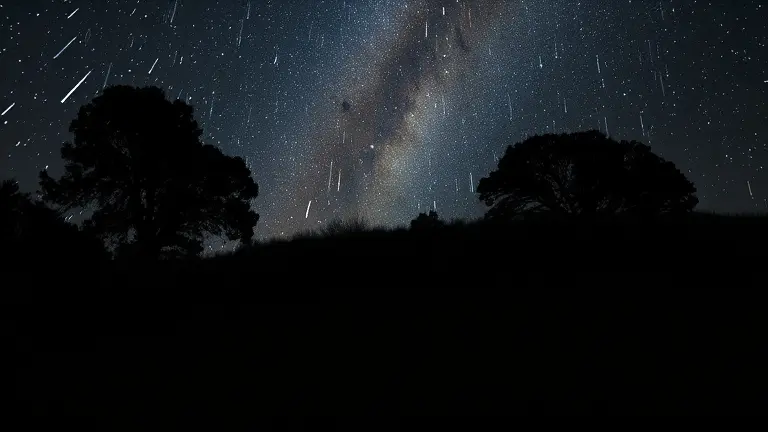
Tonight, August 12, 2026, the night sky transforms into a celestial theater as the Perseid meteor shower reaches its magnificent peak. This year, the phenomenon carries extra weight: a rare partial solar eclipse earlier today has cleared the way for a truly historic double-header event. As you look toward the heavens, the question isn’t just what time is the meteor shower tonight, but how you can capture this fleeting dance of cosmic debris with precision. The combination of high-intensity interest and variable cloud cover makes this a night where preparation is the difference between witnessing a miracle and missing the show.
For the dedicated observer, this isn’t merely an evening of stargazing; it is a technical challenge. Whether you are tracking the Perseids through your lens or preparing for the next celestial movement, the equipment you bring into the field defines your success. From managing light pollution to stabilizing your camera gear against the cool night breeze, the right tools ensure you are ready when the sky ignites. Let’s dive into how you can optimize your setup and turn this rare cosmic alignment into a professional-grade viewing experience.
The 2026 Celestial Double-Header: Perseids Peak and Solar Eclipse
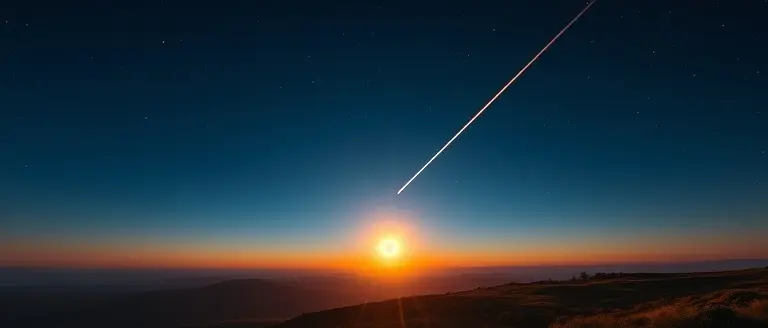
The 2026 Perseid meteor shower has reached a level of intensity rarely seen in modern astronomy, peaking precisely on August 12, 2026. This year’s event is distinguished by an extraordinary cosmic coincidence: a rare partial solar eclipse occurring within the same 24-hour window. This “celestial double-header” presents a unique challenge and opportunity for observers, as the transition from daytime solar observation to nighttime meteor hunting requires rigorous safety protocols and precise timing to maximize visibility.
Understanding the 2026 Astronomical Timeline
The synchronization of these events creates a high-stakes viewing schedule. While the solar eclipse demands stringent eye protection during the daylight hours of August 12, the meteor shower peak transitions into the evening of August 12 and the early morning of August 13. Experts indicate that the optimal viewing window for the Perseids—often cited as the best meteor shower of the year—is between midnight and dawn.
To successfully witness both phenomena, observers should adhere to the following safety and preparation guidelines:
- Daylight Safety: During the solar eclipse, never look directly at the sun without ISO-certified eclipse glasses. Ensure your solar filters are free of scratches or pinholes before use.
- Nighttime Preparation: For the meteor shower, find a location with minimal light pollution. Give your eyes at least 30 minutes to adjust to the darkness once the sun has fully set.
- Peak Window: The most frequent “shooting stars” will be visible in the pre-dawn hours of August 13, as the Earth moves through the dense debris field of the Swift-Tuttle comet.
This rare alignment is a reminder of the dynamic nature of our solar system. By preparing for the technical requirements of both the eclipse and the Perseid meteor shower 2026, amateur astronomers can document one of the most significant astronomical windows of the decade. Whether you are using a telescope for the eclipse or opting for naked-eye viewing for the meteors, the intersection of these events makes August 12, 2026, an unforgettable date for the sky-watching community across North America.
Live Meteor Watch Dashboard: Is Your Sky Clear Tonight?
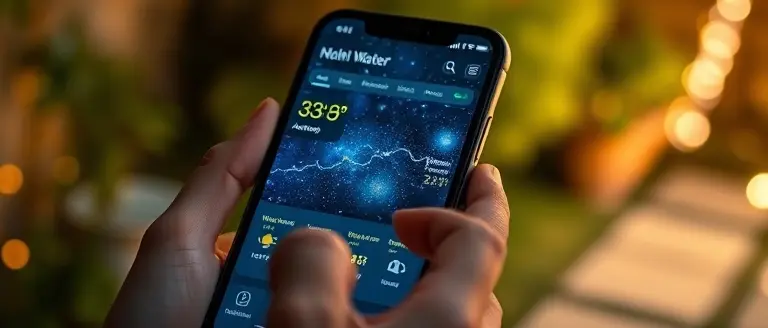
Determining whether you will catch the Perseid meteor shower 2026 depends almost entirely on atmospheric transparency. To help you decide if tonight is a “Go” or a “No-Go” for your viewing party, you must treat the sky as a volatile data set. The primary inhibitor for this meteor shower is localized cloud cover, which can obscure even the most brilliant fireballs. Before heading out, consult real-time satellite imagery via the National Weather Service or localized aviation weather tools that report “Ceiling and Visibility” (CAV) levels. If your local forecast indicates cloud coverage above 30%, the probability of witnessing the peak activity—which occurs between midnight and dawn—decreases significantly.
How to Evaluate Your Local Viewing Conditions
To perform a professional-grade “Go/No-Go” assessment for the meteor shower tonight, follow these tactical steps to ensure you aren’t wasting hours in the dark under a blanket of fog or overcast skies:
- Consult Cloud Cover Maps: Use services like Clear Dark Sky to view “astronomy weather” charts. Look for the “Transparency” and “Seeing” indices specific to your ZIP code for the hours of 1:00 AM to 4:00 AM.
- Check Humidity Levels: High humidity often creates a hazy layer that diffuses starlight, significantly reducing the number of fainter meteors visible to the naked eye.
- Light Pollution Mitigation: Use interactive light-pollution maps (such as DarkSiteFinder) to identify the nearest “Gold” or “Black” zone within a 30-minute drive of your location.
- The “Double-Header” Protocol: Because we are experiencing a rare partial solar eclipse during this same 24-hour window, ensure you have accounted for the transition from daytime eye safety equipment to nighttime long-exposure photography setups.
When searching what time is the meteor shower tonight, remember that the peak is sustained; however, if your local cloud-cover map shows a clearing trend after 2:00 AM, that is your primary window. Prioritize moving to a higher elevation or a site with a low horizon line if local weather reports indicate scattered low-level clouds, as these can often be bypassed by simply changing your geographic perspective.
From Day to Night: Safe Transitioning for the Celestial Event
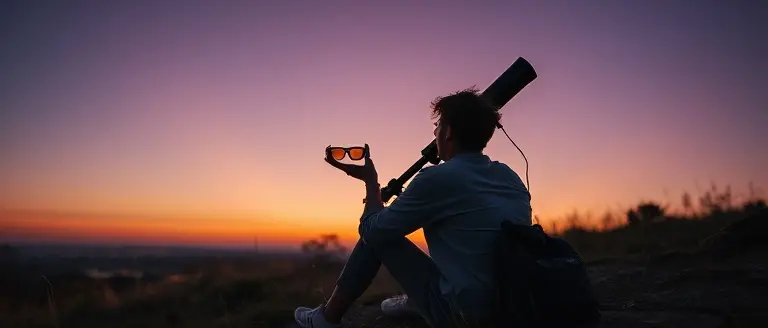
The 2026 celestial calendar delivers a rare “double-header,” requiring viewers to manage two distinct phases of observation. During the day, the primary objective is the partial solar eclipse, which necessitates strict adherence to safety protocols. To view the eclipse safely, you must utilize ISO 12312-2 certified solar glasses at all times. Standard sunglasses, cameras, or telescopes without professional-grade solar filters will not protect your eyes from permanent retinal damage. Ensure your gear is inspected for scratches or pinholes before use, as the sun’s intensity remains dangerous even during a partial event.
As the sun sets, the focus shifts to the Perseid meteor shower 2026, which peaks tonight, August 12. Transitioning from the high-contrast light of the day to the subtle flickers of the Perseids requires physiological and environmental preparation. To maximize your chances of success when searching for what time is the meteor shower tonight, follow these critical guidelines:
Optimizing Your Nighttime Viewing Environment
- Dark Adaptation: Give your eyes at least 30 minutes to adjust to the darkness. Avoid looking at your smartphone screen, as the blue light will reset your night vision and make it harder to spot fainter meteors. If you must use a light, use a red-filtered flashlight.
- Location Scouting: Escape light pollution by heading to rural areas. A high-elevation spot away from city skylines provides the clearest view of the radiant point.
- Timing: While the Perseids are visible throughout the night, the optimal viewing window occurs between midnight and dawn.
- Patience: Meteor watching is a test of endurance; recline in a lawn chair and scan a wide swath of the sky rather than focusing on a single point.
By strategically transitioning from the daytime eclipse observation to a dark-sky location for the meteor shower, you ensure a safe and successful experience. Remember that cloud cover is the most significant variable; verify local weather forecasts frequently to determine if your chosen “go” location remains clear for the peak.
Pro-Tips for Capturing the Perseids: Photography Setup Guide
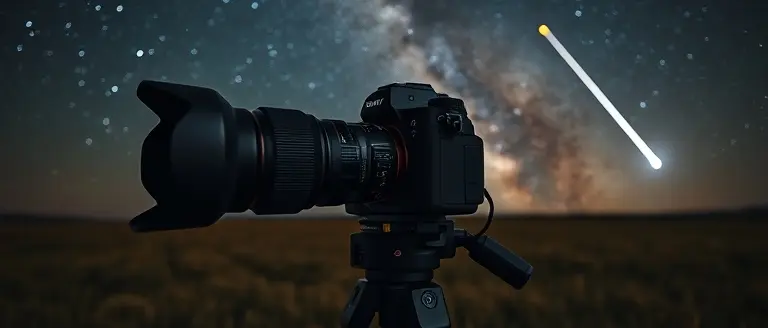
Capturing the Perseid meteor shower 2026 requires more than just a keen eye; it demands precise technical preparation. To successfully photograph the “shooting stars” peaking tonight, August 12, you must move beyond basic automatic settings. The goal is to maximize light intake while maintaining sharpness during the optimal midnight to dawn window. For the best results, utilize a sturdy tripod to eliminate micro-vibrations—an essential step when shooting long exposures. If you are also following our short-form video tutorials on TikTok or Reels, remember that stability is the foundation of every professional-grade astrophotography shot.
Recommended Camera Settings for Success
Achieving the perfect image depends on balancing your exposure triangle to account for the darkness of the night sky. Since you are tracking light streaks rather than stationary objects, precision is key:
- Aperture: Set your lens to its widest possible aperture (the lowest f-number, such as f/2.8 or f/1.8) to capture as much ambient light as possible.
- Shutter Speed: Keep your shutter open between 15 to 30 seconds. Exceeding 30 seconds may result in unwanted “star trailing” due to the Earth’s rotation.
- ISO: Start at ISO 1600 or 3200. Adjust based on your camera’s sensor performance; too high may introduce digital noise, while too low will leave the meteors invisible.
- Focus: Switch your lens to Manual Focus. Aim for a distant, bright star and use your camera’s “Live View” zoom feature to ensure the star appears as a crisp, tiny point rather than a blur.
Finally, remember to use a remote shutter release or your camera’s built-in two-second timer. This prevents “camera shake” caused by pressing the shutter button manually. By following these settings and monitoring the meteor shower tonight, you increase your chances of capturing the vivid streaks of the 2026 Perseids against the dark backdrop of the peak event. Ensure your batteries are fully charged and your memory cards have ample space for long-exposure, high-resolution sequences.
Master Your Field Gear for Perfect Stargazing
As the peak of the 2026 Perseid meteor shower unfolds, remember that your ability to capture these light trails depends entirely on the stability and quality of your equipment. Amateur setups often fail when the conditions get tough, but true precision comes from having gear that is built to withstand the realities of outdoor astrophotography. By moving beyond improvised mounts and shaky tripods, you empower yourself to record the sky with the confidence of a pro.
This is where your vision meets craftsmanship. Just as you research the perfect location and timing for the meteor shower, you need reliable, custom-built solutions for your photography gear. Whether you need a vibration-proof camera mount or a custom housing to protect your sensitive equipment, having professional-grade build plans allows you to transition from a casual observer to a master of the night sky, eliminating the trial-and-error that plagues most amateur photographers.
Take control of your celestial documentation today by utilizing the same techniques as top-tier hobbyists. Don’t let your next big observation be compromised by inadequate hardware when the solutions are right at your fingertips.
 Build your own custom camera stabilization and equipment gear today with our complete library of tested workshop plans.Yes, I Want to Build My Custom Gear Now!