
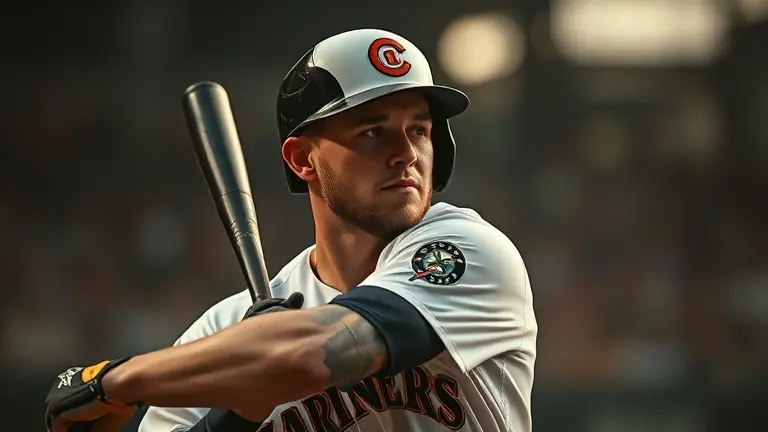
The August 3, 2026, MLB trade deadline delivered a seismic shift for the Seattle Mariners, who successfully addressed their glaring offensive deficiencies by acquiring outfielder Taylor Ward from the Baltimore Orioles. For a Mariners squad hunting for a postseason berth, Ward represents the right-handed power bat they have desperately lacked in their lineup. However, this high-stakes transaction is far from a one-sided victory. Baltimore’s haul—a trio of right-handed pitchers in Alex Hoppe, Brock Moore, and Harrison Kreiling—suggests a calculated, long-term pivot in the Orioles’ organizational philosophy.
While the headlines are dominated by Seattle’s immediate playoff push, the true analytical intrigue lies in whether the Orioles have successfully traded veteran production for future rotation depth. By examining the scouting reports on Hoppe, Moore, and Kreiling, we can determine if Baltimore’s front office has once again outsmarted the market. This deep dive into the Taylor Ward trade evaluates the long-term roster implications for both clubs, moving beyond the surface-level ‘big bat’ narrative to uncover the strategic blueprint driving these championship-caliber front offices.
Trade Deadline Breakdown: Taylor Ward Moves to Seattle
The August 3, 2026, Taylor Ward trade represents a high-stakes pivot for both the Seattle Mariners and the Baltimore Orioles. By acquiring the veteran outfielder, the Mariners have directly addressed their chronic offensive inconsistencies, specifically targeting a right-handed power threat to anchor their lineup during the final stretch of the season. As Seattle pushes for postseason contention, Ward’s ability to drive the ball provides the middle-of-the-order production that has been noticeably absent throughout their 2026 campaign. This Mariners trade is clearly designed to maximize their current championship window by betting on a proven commodity to stabilize their run production.
In exchange for Ward, the Baltimore Orioles received a trio of right-handed pitching prospects: Alex Hoppe, Brock Moore, and Harrison Kreiling. This return reflects a calculated shift in the Orioles’ organizational strategy, prioritizing depth and developmental potential over immediate roster retention. By moving a key offensive piece, Baltimore appears to be banking on their reputation for pitching development to turn these acquired arms into long-term contributors.
The immediate implications for both franchises are significant:
- Seattle Mariners: Immediate offensive boost; Ward provides essential right-handed power to help clear their congested playoff path.
- Baltimore Orioles: Strengthens the minor league pipeline with three high-upside pitchers, signaling a commitment to sustained organizational depth rather than a complete rebuild.
- Prospect Impact: Analysts are closely monitoring how Hoppe, Moore, and Kreiling fit into the Orioles’ pitching philosophy, which has been highly successful in extracting value from arm-heavy trade returns in recent seasons.
Ultimately, while the Mariners gain an immediate, high-impact bat, the long-term success of this deal will depend on whether Baltimore’s scouting department can successfully integrate their new pitching acquisitions into the Major League rotation. The move highlights the classic deadline dilemma: trading proven production for the tantalizing potential of a future core.
How Taylor Ward Fixes the Mariners’ Offensive Woes
The Taylor Ward trade represents a calculated gamble by the Seattle Mariners front office to rectify long-standing offensive stagnation during a pivotal 2026 playoff push. For much of the season, the Mariners have struggled against high-velocity pitching and lacked consistent right-handed impact, often forcing the lineup into disadvantageous platoon splits. By acquiring Ward, the Mariners have secured a proven right-handed power bat capable of anchoring the middle of the order. Unlike previous stopgap solutions, Ward brings a disciplined approach to the plate, blending traditional power production with the ability to navigate high-leverage situations—a necessity for a team fighting to distance itself from wild-card competitors.
Strategic Impact of the Acquisition
Seattle’s tactical shift toward this acquisition highlights an urgent need to optimize their run production against divisional rivals. The organizational focus has clearly transitioned from waiting on internal development to bolstering the active roster with experienced, “win-now” personnel. Ward’s profile is particularly valuable for the following reasons:
- Platoon Balance: He provides immediate relief in matchups where Seattle previously lacked depth, effectively neutralizing specialized left-handed relievers.
- High-Leverage Efficiency: Ward’s track record in clutch scenarios offers a stabilizing force, providing the Mariners with a reliable option during tight late-inning games.
- Lineup Flexibility: His versatility allows the coaching staff to shuffle the batting order, creating more protection for their core hitters and forcing opposing pitchers to navigate a more balanced gauntlet.
While the cost of the trade involved shipping away pitching depth—specifically Alex Hoppe, Brock Moore, and Harrison Kreiling—the Mariners have signaled a definitive preference for immediate production over future pitching potential. By addressing their offensive vacancies now, the Mariners are positioning themselves to capitalize on their elite starting rotation, ensuring that every run prevented by their pitchers is eventually countered by the offensive output provided by the addition of Ward. This transaction underscores the high-stakes mentality of the 2026 trade deadline, where offensive consistency is the ultimate currency for championship contenders.
The Orioles’ Masterclass: Evaluating the Pitching Return
While the taylor ward trade is primarily being viewed through the lens of Seattle’s playoff ambitions, a deeper look at the return package suggests the Baltimore Orioles are executing a long-term strategy centered on pitching depth. By offloading a veteran bat, the Orioles secured a trio of right-handed arms in Alex Hoppe, Brock Moore, and Harrison Kreiling. This acquisition is not merely a depth move; it is a calculated bet on the organization’s renowned ability to cultivate raw talent into major-league-ready assets. By prioritizing high-upside arms over immediate major league contributors, Baltimore is signaling a shift in philosophy—valuing the scalability of internal pitching development over short-term roster stability.
Scouting the Triple Threat
The Orioles’ front office has earned a reputation for identifying undervalued minor league prospects, and these three arrivals represent a diverse range of projectable traits that fit the modern pitching mold:
- Alex Hoppe: Known for a high-spin rate and a resilient arm, Hoppe profiles as a high-leverage reliever who could climb the ranks quickly given Baltimore’s ability to optimize secondary pitches.
- Brock Moore: Offers an imposing frame and a power-based repertoire that the Orioles’ pitching laboratory has historically excelled at refining, particularly regarding command and fastball metrics.
- Harrison Kreiling: A high-floor prospect who brings durability and pitch-mix versatility, providing the Orioles with the flexibility to develop him as a multi-inning weapon or a backend starter.
Ultimately, this mariners trade reflects the Orioles’ confidence in their developmental infrastructure. Rather than chasing a splashy rental, they have opted to fortify their system with three live arms, ensuring that their window for contention remains open well beyond the 2026 season. For Baltimore, this is a masterclass in asset management, proving that when it comes to their pitching philosophy, they are playing a different game than the rest of the league.
Grade the Trade: Winners, Losers, and Long-term Outlook
The Taylor Ward trade represents a classic divergence in organizational philosophy, contrasting Seattle’s urgent “win-now” mandate with Baltimore’s commitment to long-term sustainability. By acquiring a proven right-handed power bat, the Mariners have directly addressed their offensive volatility. For Seattle, this move is a high-stakes gamble that Ward’s production will stabilize their lineup enough to secure a deep postseason run. Conversely, the Orioles have leveraged a veteran asset to bolster their pitching depth, acquiring Alex Hoppe, Brock Moore, and Harrison Kreiling. While the Mariners trade aims to capture a pennant, the Orioles are betting that their scouting department’s ability to develop arms will pay greater dividends than a single rental player.
Evaluating the Return and Organizational Impact
The inclusion of three right-handed pitchers in the deal highlights the Orioles’ aggressive approach to shoring up their minor league pipeline. By targeting prospects like Hoppe, Moore, and Kreiling, Baltimore is doubling down on their reputation for elite pitching development. Key takeaways from this transaction include:
- Seattle’s Offensive Ceiling: Ward’s arrival provides the middle-of-the-order protection needed to maximize current scoring opportunities.
- Baltimore’s Pitching Philosophy: The move confirms the Orioles’ preference for high-volume prospect acquisition, prioritizing roster flexibility over static veteran production.
- Trade Valuation: While some analysts question the immediate return value for Baltimore, the deal is a testament to the club’s confidence in their internal coaching infrastructure.
Ultimately, the legacy of this trade depends on Seattle’s postseason performance. If Ward powers the Mariners to a World Series appearance, the steep acquisition cost will be viewed as a bargain. However, if the trio of pitchers—Hoppe, Moore, and Kreiling—finds success in the Orioles’ system, Baltimore may be heralded as the long-term winners, proving that depth is the ultimate currency in modern Major League Baseball.
Building Success Through Precision and Strategy
As we have dissected, the Taylor Ward trade is a testament to the power of meticulous planning. Whether it is a front office scouting the perfect prospect to stabilize a pitching staff or an enthusiast refining a long-term roster, success is almost always a byproduct of having the right blueprint. The Orioles’ ability to secure high-upside arms like Hoppe, Moore, and Kreiling demonstrates that even in the high-pressure environment of a trade deadline, the best results come from systems built on structural accuracy.
Much like the Orioles’ front office is currently mapping out their roster construction for the next few seasons, many baseball fans find that the same analytical, detail-oriented mindset translates perfectly into hands-on projects at home. If you appreciate the strategy behind this trade, you possess the exact clarity needed to master your own workshop. You no longer have to rely on vague instructions or guesswork to achieve professional-grade results; with the right tools, you can ensure every project plan is as sound as a well-executed front-office maneuver.
We believe in turning that ‘deep-dive’ analytical mindset into tangible, lasting value. By utilizing a proven, precision-tested library of plans, you can eliminate the frustration of failed DIY projects and finally build with total technical certainty. It is time to treat your home projects with the same level of scouting excellence that defines a winning MLB organization.
 Just as we grade every move on the diamond, start building your next project with total confidence by exploring the most extensive library of precision-tested plans available.Transform My Projects Today!