

On August 3, 2026, the Philadelphia Phillies sent a jolt through the MLB landscape, pulling the trigger on a high-stakes trade that brings contact-hitting machine Luis Arraez to the City of Brotherly Love. By acquiring both Arraez and relief arm Caleb Kilian from the San Francisco Giants, the Phillies front office has made their championship intentions crystal clear: they are no longer satisfied with mere contention—they are hunting for a ring. This move is a surgical attempt to solve the team’s offensive volatility, betting that Arraez’s elite ability to put the ball in play will provide the consistency needed to navigate a grueling postseason path.
However, beneath the surface of this blockbuster deal lies a complex web of tactical trade-offs. While the Phillies gain an All-Star bat, they must grapple with the defensive nuances of Arraez’s integration and the long-term impact of parting with a valuable prospect package. As the trade deadline dust settles, the real question for analysts isn’t just about the roster move itself, but how this specific synergy—or lack thereof—reshapes the National League hierarchy. For the die-hard fan, understanding the subtle statistical ripples of this acquisition is the key to predicting who will be hoisting the trophy this October.
Blockbuster Breakdown: Luis Arraez Heads to Philadelphia
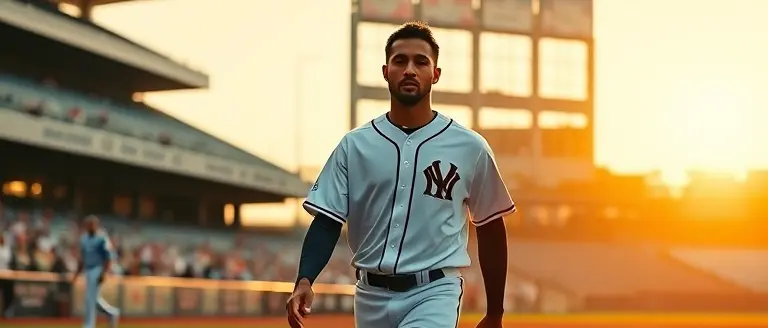
On August 3, 2026, the Philadelphia Phillies signaled their intent to capture a World Series title by pulling the trigger on a massive MLB trade deadline acquisition. In a move that sent shockwaves through the league, the Phillies secured three-time batting champion Luis Arraez and relief pitcher Caleb Kilian from the San Francisco Giants. This transaction serves as the cornerstone of Philadelphia’s aggressive pursuit of a championship, effectively prioritizing immediate contact-hitting stability over long-term prospect depth. By bringing in a “hit machine” of Arraez’s caliber, the Phillies have addressed a primary offensive need, aiming to stabilize the middle of their lineup with a high-OBP (On-Base Percentage) specialist who excels at putting the ball in play.
The Strategic Context of the Trade
The acquisition of Luis Arraez Phillies talent is part of a calculated effort to optimize the roster for a deep postseason run. While Arraez brings undeniable offensive value, the inclusion of Caleb Kilian provides essential depth to a bullpen that has faced high-leverage fatigue throughout the season. For the San Francisco Giants, this deal represents the apex of a broader “firesale” strategy. Faced with a fading playoff reality, the Giants’ front office opted to offload key veterans to restock their minor league pipeline. The trade dynamics are clear:
- Phillies’ Win-Now Mandate: The team is betting on Arraez’s elite bat to reduce strikeouts and provide consistent production in the late innings of critical games.
- Giants’ Roster Reset: San Francisco is pivotally shifting focus toward future seasons by extracting maximum value for established stars before the August 3 deadline.
- Tactical Integration: The success of this trade hinges on how effectively the coaching staff masks Arraez’s defensive limitations while leveraging his ability to catalyze rallies.
By executing this deal, Philadelphia has effectively transformed its offensive profile. While analysts—including those at CBS Sports—have offered a “B+” grade, the real measure of this move will be the team’s offensive consistency throughout the final push toward the October postseason.
Trade Grades: Assessing the Cost of a Championship Run

The Phillies trade for Luis Arraez represents an aggressive “win-now” pivot that signals the front office’s total commitment to a World Series title in 2026. While the acquisition of a three-time batting champion provides an undeniable offensive spark, the cost—a collection of high-ceiling prospects sent to the San Francisco Giants—demands scrutiny. Most analysts, including those from CBS Sports, have settled on a “B+” grade for the transaction. This reflects the reality that while Arraez is a premier contact hitter who effectively lengthens the lineup, the Phillies have sacrificed significant depth in their farm system to secure his services. By parting with top-tier young talent, the organization is banking on immediate, tangible output over the next three months, betting that Arraez’s elite bat-to-ball skills will stabilize a volatile lineup during the postseason push.
Analyzing the Prospect Cost and Long-Term Implications
The decision to trade for Arraez requires balancing short-term volatility against the necessity of championship-caliber depth. Integrating a player of his profile comes with specific tactical considerations:
- Farm System Depletion: The departure of core prospects limits the Phillies’ flexibility in future offseasons, forcing the team to rely heavily on veteran production rather than cost-controlled talent.
- Defensive Trade-offs: While Arraez provides consistency at the plate, his defensive limitations remain a point of concern. The coaching staff must carefully manage his positioning to ensure his offensive contributions aren’t neutralized by defensive lapses.
- Tactical Fit: Adding Caleb Kilian as a secondary piece provides the bullpen insurance required to navigate a grueling playoff schedule.
Ultimately, if the Phillies hoist the trophy in November, the high price paid for this mid-season roster overhaul will be deemed a masterstroke. However, should the team fall short, this deal will likely be viewed as the moment the front office over-leveraged their future for a fleeting opportunity. The success of this move hinges on whether Arraez’s contact-hitting floor is enough to carry the offense when the postseason lights shine brightest.
Lineup Projections: The ‘Hit Machine’ Effect in Philly
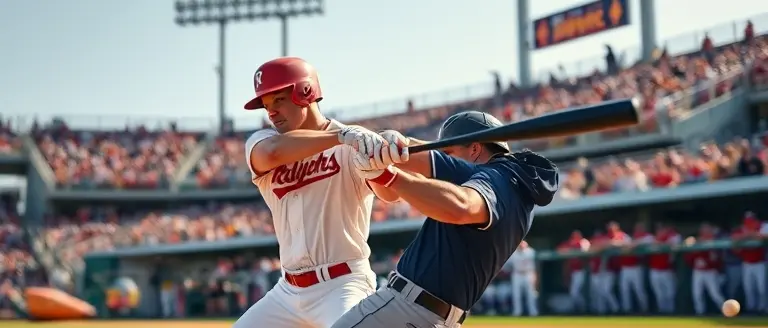
The arrival of Luis Arraez in Philadelphia fundamentally alters the offensive DNA of the Phillies. By injecting a high-contact “hit machine” into a lineup traditionally defined by its heavy-hitting power, the Phillies have optimized their ability to manufacture runs in tight postseason scenarios. Managerial projections suggest Arraez will likely slot into the leadoff or two-hole spot, providing a consistent table-setter who thrives on elevating his On-Base Percentage (OBP). By consistently putting the ball in play, Arraez forces opposing pitchers to operate within the strike zone, effectively curbing the high strikeout rates that have occasionally plagued the team’s middle-of-the-order sluggers.
Synergizing Contact and Power
The statistical synergy between Arraez and the existing core is expected to be profound. With Arraez reaching base at an elite clip, power threats are no longer forced to swing at pitches outside the zone to compensate for empty bases. Instead, they will encounter more favorable counts and high-leverage situations with ducks on the pond. Key tactical advantages include:
- Increased RBI Opportunities: Arraez’s ability to spray the ball across the field ensures runners on base are frequently moved into scoring position for the team’s power hitters.
- Pitcher Fatigue: By forcing high pitch counts and limiting strikeouts, the Phillies offense will now exert significantly more pressure on opposing bullpens, a crucial factor in long playoff series.
- Situational Flexibility: The team can now pivot between “small ball” and power hitting depending on the matchup, making them a much more difficult puzzle for opposing managers to solve during the MLB trade deadline push toward October.
While some analysts point to defensive questions, the offensive upgrade provided by the Phillies trade is undeniable. By balancing the lineup’s volatility with the steady, reliable plate discipline of Arraez and the pitching depth added through Caleb Kilian, the organization has signaled a clear intent to prioritize high-probability run production over a one-dimensional approach. This “hit machine” effect is designed specifically to optimize the Phillies’ championship window, transforming the batting order into a relentless, high-OBP machine capable of carrying the team through the rigors of a World Series run.
Postseason Implications: Does Arraez Seal the Deal?

The acquisition of Luis Arraez represents a fundamental shift in the Philadelphia Phillies‘ offensive philosophy heading into the postseason. While modern October baseball is frequently defined by high-variance, home-run-or-bust outcomes, the addition of the three-time batting champion provides a necessary stabilizer. By integrating a prototypical “hit machine” into a lineup already loaded with power, the Phillies have moved away from total reliance on the long ball. This tactical pivot is designed specifically for tight, low-scoring games where moving runners over and executing in high-leverage at-bats—areas where Arraez excels—can mean the difference between a championship ring and an early exit.
A Tactical Nightmare for Opposing Managers
In a seven-game series, opposing managers typically lean on high-velocity relievers to neutralize sluggers. Arraez disrupts this strategy by forcing pitchers to work within the zone, effectively minimizing the effectiveness of “chase” pitches. His ability to put the ball in play regardless of pitch type creates a psychological hurdle for opposing bullpens. For the Phillies, the Luis Arraez Phillies trade offers several distinct postseason advantages:
- Lineup Versatility: His ability to hit anywhere from the leadoff spot to the middle of the order forces managers to constantly re-evaluate their high-leverage usage.
- Neutralizing Elite Relievers: Because he rarely strikes out, Arraez excels at wearing down dominant relievers, forcing them to throw more pitches and potentially exposing them to subsequent power hitters.
- Reduced Variance: In the postseason, volatility is the enemy. By prioritizing contact, the Phillies have significantly lowered their risk of “cold streaks” against elite pitching rotations.
While some analysts point to defensive questions, the overarching consensus is that the team’s increased offensive floor outweighs these concerns. By pairing Arraez with the tactical flexibility gained through this deadline move, the Phillies have evolved into a complete, balanced unit capable of winning in multiple ways, solidifying their status as a top-tier contender for the World Series.
Optimizing Your View of the Pennant Race
The acquisition of Luis Arraez represents a classic ‘win-now’ philosophy, signaling that the Phillies are prioritizing high-percentage offensive production to stabilize their postseason outlook. Yet, the success of this trade rests on more than just box score averages; it demands a deep, analytical appreciation for how defensive shifts and lineup construction influence championship-level baseball. Navigating these complexities requires more than casual fandom; it requires an elite, sharpened perspective on the game’s strategic architecture.
Just as the Phillies need elite mental precision to optimize their new lineup, you need peak cognitive performance to fully grasp the complex ripple effects of this trade. Whether you are dissecting advanced defensive metrics or projecting the team’s postseason probability, you need the clarity to see what others miss. This is exactly where The Brain Song becomes an indispensable asset, providing the mental acuity and focus required to synthesize high-level sports data into actionable insights.
By integrating this 12-minute daily routine into your analytical process, you transition from a passive spectator to a sophisticated sports strategist. Don’t let the complexity of the trade deadline cloud your judgment—sharpen your focus and master the narrative of this 2026 title run today.
 Unlock your maximum analytical potential—incorporate this 12-minute daily routine to sharpen your focus for every trade deadline development.Sharpen My Analytical Edge Now!