
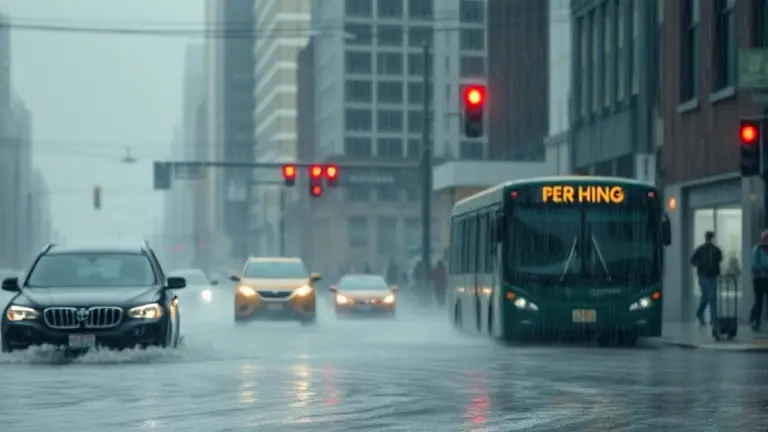
As of 5:00 AM on August 3, 2026, New York City is under a severe flash flood warning following an aggressive overnight escalation in weather intensity. With precipitation rates reaching a staggering 2 inches per hour, the Tri-State area is facing significant disruptions to transit infrastructure and daily travel. The shift from a calm Sunday to these rapid-onset thunderstorms has caught many residents off guard, turning the Monday morning commute into a hazardous challenge. Beyond transit delays, this sudden weather event highlights a critical vulnerability for those residing in ground-level units and basement apartments across the five boroughs.
While monitoring weather NYC updates and MTA service alerts is essential for navigating the immediate chaos, the physical impact of these storms on our living spaces cannot be ignored. When floodwaters rise, the need for immediate, actionable property protection becomes a matter of domestic security. In this guide, we break down the localized transit impacts you need to know and provide the necessary technical strategies to ensure your home is built to withstand the realities of weather New York.
Flash Flood Warning: Current Conditions in NYC and the Tri-State Area

The meteorological landscape across the Tri-State area shifted dramatically overnight. Following a deceptively calm Sunday, New York City and surrounding regions were placed under an urgent flash flood warning effective as of 5:00 AM on Monday, August 3, 2026. This rapid escalation in severe weather is driven by intense, slow-moving thunderstorms that have begun to overwhelm local drainage infrastructure. Meteorologists have clocked precipitation rates reaching up to 2 inches per hour in localized pockets, a volume that far exceeds the capacity of the city’s standard storm management systems.
Impact on Monday Morning Transit
The timing of this deluge has created significant disruptions for the Monday morning commute, forcing many residents to navigate hazardous conditions. As weather NYC reports continue to update, commuters should anticipate the following impacts:
- Subway Vulnerabilities: High-volume stations and low-lying track beds are at an elevated risk of water infiltration. Passengers are urged to check real-time MTA alerts before departing.
- Roadway Hazards: Major arteries and expressways throughout the five boroughs and parts of New Jersey are experiencing flash pooling, significantly increasing the risk of hydroplaning and stalled vehicles.
- Infrastructure Stress: The rapid saturation of the soil following a dry period increases the likelihood of localized drainage failures.
This sudden transition from a tranquil Sunday to high-intensity weather illustrates the volatile nature of recent weather New York patterns. Because the threat remains active, municipal agencies are advising residents to exercise extreme caution and avoid non-essential travel until the precipitation subsides. Staying informed through official flood warning channels is critical, as conditions are evolving quickly. Residents in basement apartments or ground-level units should remain particularly vigilant, keeping emergency supplies accessible as crews monitor the situation for potential property damage.
MTA and Transit Infrastructure Impact: Real-Time Updates
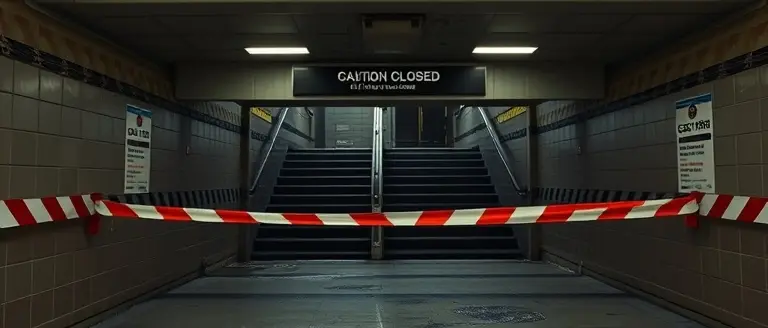
The current flash flood warning impacting the Tri-State area is causing significant disruptions to the NYC weather landscape, particularly regarding the city’s complex transit network. As precipitation rates peak at approximately 2 inches per hour, low-lying subway stations and underground infrastructure are facing extreme pressure from water infiltration. Commuters should expect severe delays across multiple lines, as the MTA works to mitigate the effects of rapid water accumulation on tracks and platforms. Current operational data suggests that service suspensions are likely on lines that historically struggle with drainage capacity, including segments in Brooklyn and Queens that are traditionally vulnerable during intense storm events.
Navigating Transit Disruptions
To maintain safety during this weather New York event, passengers must prioritize real-time data over regular routines. If you are planning to travel during this flood warning, please consider the following actionable steps:
- Monitor Official MTA Alerts: Visit the official MTA website or use the MYmta app for the most accurate, second-by-second updates on line-specific service status and station closures.
- Expect Surface-Level Bus Delays: Heavy rainfall is causing significant ponding on major roadways, which will inevitably impede bus transit times. Exercise patience and allow for significant extra travel time if you rely on surface transportation.
- Avoid Sub-Grade Entryways: If you notice localized flooding near station entrances, do not attempt to bypass transit staff or barriers. High-density residential areas with basement-level access points should also be monitored for rapid inundation.
- Utilize Alternative Routes: Check for real-time traffic reports if you are driving, though mass transit remains the preferred method of travel despite current challenges.
Staying informed is critical for navigating NYC weather today. Because conditions are rapidly changing, verified sources remain your best resource for avoiding stranded commutes or hazardous conditions in low-lying transit hubs. Always defer to the guidance of transit personnel and local emergency responders who are actively managing the impacts of this storm.
Safety Guidelines for Basement and Ground-Level Residents

For urban residents in high-density areas, a flash flood warning presents a significant risk to those living in basement or garden-level apartments. As New York City grapples with intense precipitation—sometimes reaching 2 inches per hour—water can infiltrate subterranean living spaces rapidly, leaving little time to react. If you reside in a low-lying unit, your primary priority must be immediate safety over property preservation. If you observe water pooling at your entry points or encroaching through drains, do not wait for official evacuation orders to move to higher ground.
Immediate Action Plan for Urban Dwellers
When weather New York conditions escalate, follow these critical steps to mitigate personal risk:
- Elevate Valuables: Move electronics, important documents, and essential medications to the highest available surfaces, such as top shelves or upper floors, before water enters your space.
- Monitor Vulnerability: Keep a close watch on floor drains and toilets. If water begins to back up, do not attempt to clear the blockage; instead, evacuate immediately as this indicates the municipal sewer system is overwhelmed.
- Prepare an Emergency Kit: Maintain a “go-bag” containing a flashlight, whistle, portable charger, and waterproof bags for identification. Ensure you have a clear, pre-planned route to higher ground that does not involve stairs leading down into flooded areas.
- Avoid Contact with Water: Never walk or wade through standing water in your apartment, as it may be electrically charged by submerged outlets or appliances. If water reaches the level of your electrical outlets, contact your utility provider to shut off power if it is safe to do so.
Assessing Your Building’s Risk
Because NYC weather events are becoming increasingly unpredictable, residents must recognize that basement flooding is often a systemic failure of infrastructure. If you hear sirens or receive alerts regarding flood warning status, maintain situational awareness by checking transit updates and local reports. Avoid staying in a unit that has previously experienced drainage issues. If your space shows signs of flooding, prioritize reaching a higher floor or a secondary location immediately. Your life is irreplaceable; treat the threat of rapid-onset flash flooding as a life-safety emergency that requires prompt, decisive action.
Navigating the Morning Commute: What You Need to Know

As a flash flood warning remains in effect across the Tri-State area this Monday morning, the typical NYC weather conditions have rapidly shifted into a hazardous environment for commuters. With precipitation rates hitting two inches per hour, transit infrastructure is under significant strain. Your safety must remain the absolute priority; no professional obligation outweighs the risk of navigating dangerous, water-logged streets or overwhelmed subway systems. If you are not already at your destination, evaluate whether remote work is an option before attempting to travel.
Essential Transit and Safety Guidelines
When managing your travel during this flood warning, rely on verified updates from the MTA and local emergency management agencies rather than anecdotal reports. The density of weather in New York often leads to localized, rapid-onset pooling in low-lying areas, particularly on major arterial roadways and underground transit hubs.
- Avoid Standing Water: Never attempt to drive or walk through flooded roadways. As little as six inches of moving water can sweep an adult off their feet, and a foot of water can float many vehicles. Hidden debris or open manholes beneath the surface pose severe risks.
- Monitor Subway Status: Expect significant delays or service suspensions. If you must use the subway, check the MTA website for real-time alerts regarding flooded stations or track issues. If a station shows signs of active flooding, do not attempt to enter.
- Prioritize Surface Alternatives: If roads are impassable, do not force a route. Stick to major, elevated roadways if possible, and avoid underpasses, which are high-risk zones for sudden water accumulation.
- Stay Informed: Keep your mobile devices charged and monitor local weather NYC alerts. Sudden changes in meteorological intensity can alter conditions in minutes, making a previously clear route dangerous.
If you encounter a flooded area while driving, the “Turn Around, Don’t Drown” mantra is vital. Turn around immediately and find an alternative, higher-ground route. Remember, the goal is to reach your destination safely; if conditions are severe, it is safer to wait out the worst of the weather than to risk transit in an active flash flood zone.
Securing Your Home Against Future Urban Flooding
While staying informed through real-time transit maps and local alerts is vital for your commute, relying on reactive measures alone leaves your property vulnerable to the next major storm. The extreme weather seen today demonstrates that structural resilience is no longer an option—it is a necessity for every urban dweller. Transforming your living space to withstand potential water damage is the smartest investment you can make in your own peace of mind.
This is where proactive preparation shifts the narrative from disaster management to domestic resilience. By taking control of your property’s defenses now, you eliminate the need to wait for overwhelmed contractors during a city-wide crisis. Ted’s Woodworking provides the professional-grade, technical blueprints necessary to build your own flood-prevention defenses, from custom elevated shelving to reinforced barrier systems tailored to your specific home layout.
It is time to move from passive alarm to physical certainty. Equip yourself with the exact schematics required to secure your home today and ensure you are prepared for whatever the next storm brings to the city. Don’t wait for the next siren to sound before you start fortifying your most valuable asset.
 Access the comprehensive library of DIY structural plans to fortify your home against future severe weather events.Secure My Home Today!