
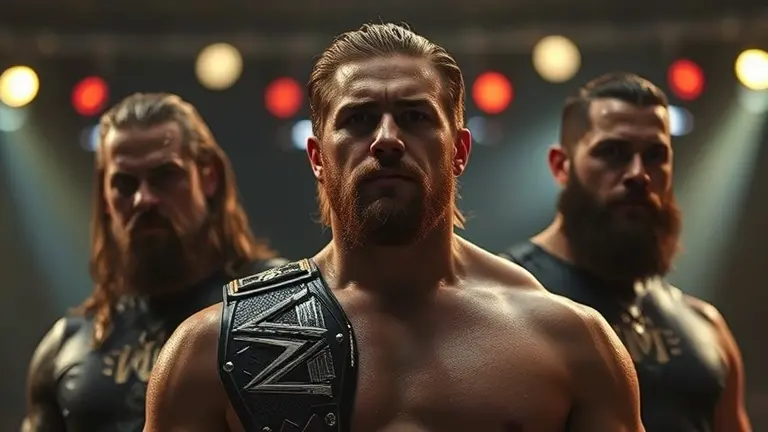
When the dust settled at SummerSlam 2026, the wrestling world wasn’t just talking about the outcome of the main event between Roman Reigns and Seth Rollins; they were buzzing about the haunting, palpable absence of a third man: Dean Ambrose. Through subtle tributes and unmistakable on-air nods, the former members of ‘The Shield’ reminded fans that their narrative—and their bond—remains the backbone of modern wrestling, even as Ambrose continues to carve out a singular, rebellious legacy as Jon Moxley in AEW.
This surge of nostalgia is more than just a fleeting industry trend; it is a testament to the power of a primal, unyielding connection. While Roman and Seth have scaled the peaks of WWE and Moxley has redefined intensity elsewhere, the public consciousness remains stubbornly tethered to the trio that changed the business forever. As we look back at the ‘SummerSlam 2026 highlights’ and the lingering questions surrounding a potential Shield reunion, we must ask: why does this specific bond continue to command such obsession from the audience, and what does it teach us about the nature of loyalty and human connection?
SummerSlam 2026: The Echoes of The Shield in the Roman Reigns vs. Seth Rollins Main Event
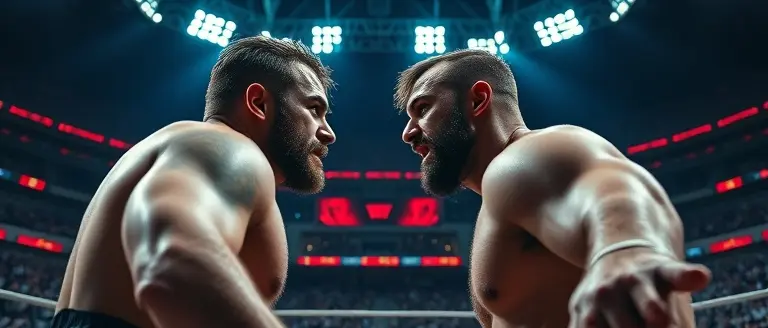
The main event of SummerSlam 2026 provided more than just a clash between two of the greatest performers of their generation; it delivered a profound masterclass in wrestling history. As Roman Reigns and Seth Rollins collided, the atmosphere was thick with the ghost of their former faction, The Shield. For eagle-eyed fans, the match was punctuated by subtle callbacks that bridged the gap between their current personas and the trio’s formative years. The viral surge in searches for Dean Ambrose immediately following the event highlights how deeply ingrained this trio remains in the cultural fabric of professional wrestling, even as Ambrose now thrives as Jon Moxley in AEW.
Symbolic Tributes and Ring Psychology
The in-ring storytelling relied heavily on shared history, utilizing specific maneuvers and pacing that reminded viewers of the brotherhood that once defined these three men. Analysts have pointed to several key moments that triggered this wave of Shield nostalgia:
- Synchronized Striking: During a high-intensity exchange, both Reigns and Rollins mirrored defensive postures from their “Hounds of Justice” era, effectively recreating the defensive perimeter that once kept them invincible.
- The “Moxley” Nod: In a sequence that drew audible gasps from the crowd, Rollins executed a modified erratic movement pattern reminiscent of Ambrose’s signature “Lunatic Fringe” chaotic style, followed by a look of acknowledgment from Reigns.
- Narrative Continuity: Reports from outlets like Fightful confirm that while the match was centered on the individual rivalry, the wrestlers intentionally left “open spaces” in their storytelling, allowing fans to project the missing third member into the chaos.
This psychological warfare served as a poignant reminder that despite the evolution of their careers, the connection between these men remains a central pillar of their legacies. While rumors of a formal The Shield reunion remain speculative, the sheer volume of search interest proves that the public consciousness still views Reigns, Rollins, and the performer known as Dean Ambrose as an inseparable unit. The SummerSlam performance successfully leveraged this sentiment, turning a standard main event into an emotional tribute that honored the past while cementing their individual dominance in the modern era.
The Evolution of the Trio: How Reigns, Rollins, and Moxley Redefined the Industry
The dissolution of The Shield did not signal the end of its influence; rather, it catalyzed a decade-long evolution that transformed professional wrestling. While Roman Reigns, Seth Rollins, and Dean Ambrose—now operating as the formidable Jon Moxley—each took radically different paths, their individual trajectories established the blueprint for modern main-event superstardom. By operating in distinct silos, they essentially conquered the industry from within and outside the WWE ecosystem, proving that the synergy created during their rookie years remains the high-water mark for contemporary faction booking.
Distinct Paths to Dominance
The divergence of the trio highlights the multifaceted nature of modern wrestling success:
- Roman Reigns: Having cemented himself as the definitive “Tribal Chief,” Reigns redefined the WWE championship model through unparalleled dominance and long-term storytelling. His transition from the “Big Dog” to a corporate powerhouse represents the gold standard for mainstream sports entertainment.
- Seth Rollins: Embracing an experimental “Visionary” archetype, Rollins showcased the evolution of the technical wrestler into a character-driven performer. His willingness to take artistic risks has kept his persona fresh, mirroring the unpredictability of his former faction partner.
- Jon Moxley: By pivoting to AEW, the artist formerly known as Dean Ambrose became the standard-bearer for a grittier, independent style of professional wrestling. His success proves that an authentic, no-nonsense persona can drive ratings and fan engagement just as effectively as the more polished WWE machine.
These three performers remain tethered in the public consciousness because their disparate styles represent the entire spectrum of the industry. The recent SummerSlam 2026 highlights and the subsequent tributes paid by Reigns and Rollins indicate that, despite their professional separation, the legacy of The Shield is a permanent fixture. Whether or not these references serve as a prelude to a future collaboration or a Jon Moxley WWE return rumor fueled by fan hope, one thing is clear: the trio successfully rewrote the rules of engagement, creating a narrative blueprint that continues to define the landscape of the 2026 wrestling industry.
The Persistence of the ‘Shield Reunion’ Myth and the Moxley WWE Return Rumors
The recurring surge in Jon Moxley WWE return rumors following events like SummerSlam 2026 highlights a unique phenomenon in modern professional wrestling: the audience’s refusal to close the book on The Shield. Even as the trio—Roman Reigns, Seth Rollins, and the performer formerly known as Dean Ambrose—have cemented themselves as individual icons across competing promotions, fans view them as a singular narrative entity. This attachment persists because The Shield did not just represent a faction; it marked the transition of WWE into its modern era, fundamentally altering how main-event stars were groomed and presented to the global audience.
Why the Shield Legacy Remains Unshakeable
The constant speculation regarding a Shield reunion is fueled by the distinct trajectories these performers have taken. While Roman Reigns maintains his status as the “Tribal Chief” of WWE and Seth Rollins continues his tenure as a versatile franchise player, Jon Moxley’s evolution into a hardcore, anti-establishment figure in AEW provides a stark, compelling contrast. This dynamic creates a “what if” scenario that keeps the fantasy alive for spectators. Key factors driving this persistent fan narrative include:
- Emotional Investment: The group’s origin story was deeply personal, making their 2014 breakup one of the most significant emotional beats in modern wrestling history.
- Narrative Continuity: The subtle tributes paid by Reigns and Rollins during recent high-profile matches act as “Easter eggs” that intentionally deepen the mythology, regardless of the performers’ current contractual standings.
- Cultural Impact: As arguably the most influential faction of the 21st century, their separation is viewed by many as a temporary chapter rather than a permanent conclusion.
Ultimately, the desire for these stars to share a ring once more is less about a specific promotion and more about the collective desire to see the highest level of chemistry in the industry. While industry experts suggest a formal return is unlikely given their current obligations, the public consciousness remains locked on the potential for one final, historic convergence.
Legacy Beyond the Ring: Why The Shield Still Dominates the Digital Conversation
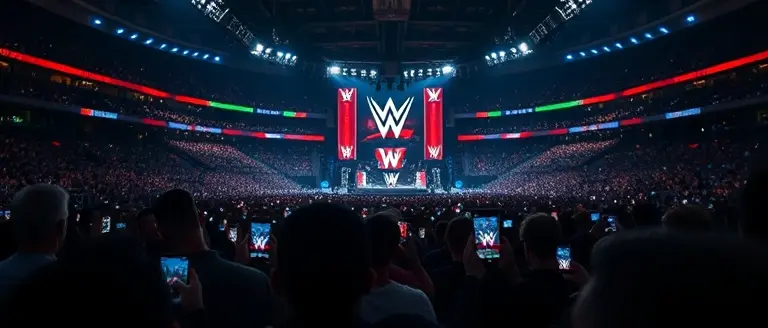
The enduring fascination with The Shield—comprised of Roman Reigns, Seth Rollins, and Dean Ambrose—serves as a primary case study in how long-term storytelling builds immutable brand equity in professional wrestling. The recent SummerSlam 2026 highlights, which featured subtle yet poignant tributes to the group, underscored that modern fans do not merely consume episodic content; they actively curate and celebrate the historical continuity of their favorite performers. By weaving in callbacks to their collective past, Reigns and Rollins validated the audience’s memory, transforming a standard main event into an emotional touchstone that sparked a global conversation about the trio’s indelible impact.
The Evolution of Independent Success
The strength of their legacy is magnified by the distinct paths each performer took after the faction disbanded. While Reigns and Rollins solidified their status as the cornerstones of WWE, the evolution of Dean Ambrose into Jon Moxley within AEW created a cross-promotional mystique that few other wrestlers have achieved. This divergence has only fueled the “what if” scenarios that keep The Shield at the forefront of digital engagement:
- Cultural Significance: The group represents the last truly iconic stable that successfully transitioned from an NXT developmental experiment into a global pop-culture phenomenon.
- Individual Archetypes: Fans identify with the trio because they represent three distinct pillars: the powerhouse (Reigns), the strategist (Rollins), and the unpredictable renegade (Ambrose).
- Persistent Relevance: Even as competitors, their personal growth acts as a mirror for each other, ensuring that mentions of a potential The Shield reunion trigger massive spikes in search volume and social media sentiment.
Ultimately, the digital conversation remains centered on this group because their individual successes prove that the foundation they built together was never truly dismantled. The resonance of their history continues to drive engagement, proving that in the modern wrestling era, legacy is the most valuable currency.
Decoding the Architecture of Unbreakable Bonds
The enduring fascination with Dean Ambrose and the legacy of The Shield proves that some connections transcend the ring; they represent a level of raw, visceral loyalty that captures our collective imagination. Whether it is the evolution of Ambrose into the formidable Jon Moxley or the subtle tributes paid during SummerSlam 2026, we are consistently drawn to stories of deep-rooted partnership and the psychological weight of shared history.
This same hunger for deep, meaningful devotion isn’t just limited to the world of wrestling—it is a core human desire. Just as fans remain captivated by the unbreakable, near-mystical bond of The Shield, many of us seek that same level of deep, unwavering commitment in our own romantic lives. Understanding the mechanics behind why we attach so strongly to others is the key to unlocking similar loyalty in our personal relationships.
You don’t need a scriptwriter to create a powerful, lifelong connection with the person who matters most to you. By tapping into the psychological toolkit of human devotion, you can move past casual interactions and start building a foundation of unshakable commitment. It is time to stop guessing and start using the science of attraction to secure the partner of your dreams.

Discover the secret signals that turn a casual connection into a deep, unshakable bond of devotion.
Unlock My Secret to Lifelong Commitment