

The MLB trade deadline is typically a theater of speculation, but when the New York Mets and Philadelphia Phillies—two division rivals rarely willing to deal with one another—pull off a blockbuster, the baseball world takes notice. The acquisition of veteran left-handed relief pitcher Brooks Raley by Philadelphia is a move of calculated aggression, signaling a desperate push for stability in their high-leverage bullpen. For the Mets, however, the return of prospects Luke Gabrysh and John Spikerman is a deeper story of a franchise leaning hard into a restructuring “fire sale” era.
While news outlets have scrambled to assign letter grades to this mid-summer shocker, few have peeled back the layers of what this trade actually signifies for the future of the National League East. From scouting these incoming prospects to questioning whether Raley is the definitive missing piece for a Phillies championship run, the details are buried in the data. To truly understand why this rarity occurred, we must look beyond the immediate headlines and examine the cold, hard logic of the front office maneuvers that defined this deadline.
The Shocking Deadline Move: Brooks Raley Moves from Queens to Philly

In an unprecedented turn of events at the August 3, 2026, MLB Trade Deadline, the Philadelphia Phillies and the New York Mets shocked the baseball world by completing a rare inter-division transaction. The Phillies successfully acquired veteran left-handed relief pitcher Brooks Raley, a move clearly aimed at fortifying their bullpen for a deep postseason run. Historically, these two National League East rivals rarely engage in trade negotiations, making this swap a significant departure from the standard operational protocols of both front offices.
The Dynamics of the Mets’ Fire Sale
The trade highlights the aggressive, ongoing “fire sale” strategy adopted by the Mets’ front office as they look to reset their organizational trajectory. By moving a proven commodity like Raley, New York signalized a commitment to offloading veteran assets in exchange for long-term organizational depth. The return package for the Mets consists of two promising prospects: Luke Gabrysh and John Spikerman.
The mechanics of this Brooks Raley trade underscore several critical shifts in the current MLB landscape:
- Strategic Bullpen Depth: The Phillies prioritized experience, bringing in Raley to stabilize their high-leverage situations as the season enters its final, grueling stretch.
- Prospect Acquisition: By securing Luke Gabrysh and John Spikerman, the Mets are betting on future upside rather than immediate contention, a hallmark of their broader roster reconstruction.
- Eroding Rivalry Norms: The willingness of these two clubs to strike a deal suggests that organizational necessity has officially superseded traditional rivalries.
While national analysts have offered mixed reactions—with some, including ESPN, providing a “meh” grade regarding the value returned to Queens—the impact of Raley in a Phillies uniform cannot be understated. As the playoffs loom, the success of this move will ultimately be measured by whether the seasoned lefty can provide the steady hand necessary to navigate the high-pressure environments of October baseball. For now, the baseball community remains fixated on how this unusual collaboration reshapes the balance of power in the NL East.
Deep Dive: Scouting Luke Gabrysh and John Spikerman

The brooks raley trade sent shockwaves through the National League East, not only for its rarity between divisional rivals but for the specific prospect capital the New York Mets extracted from the Philadelphia Phillies. By acquiring Luke Gabrysh and John Spikerman, the Mets are betting on high-ceiling versatility and refined athleticism to bolster a thinning farm system during their current rebuild. Both players represent distinct archetypes that the Mets front office identified as essential assets for a long-term organizational turnaround.
Analyzing the Prospect Profiles
The Mets’ strategy with these two prospects highlights a focus on high-floor utility players who possess the physical tools to adapt to major league environments quickly.
- Luke Gabrysh: Often lauded for his high baseball IQ and defensive versatility, Gabrysh profiles as a utility infielder with a contact-oriented approach. His ability to handle multiple positions gives the Mets depth, while his pitch recognition at the plate suggests he could evolve into a high-OBP (on-base percentage) specialist as he matures in the system.
- John Spikerman: A standout for his raw speed and base-running instincts, Spikerman represents the modern, dynamic outfielder. His development track emphasizes gap-to-gap power and elite range in the grass. If he can refine his plate discipline, scouts believe he has the tools to transition into a consistent everyday leadoff threat.
The consensus from evaluators is that the Mets targeted these players specifically for their “projectability.” While the Phillies were comfortable parting with them to secure Brooks Raley for a immediate postseason push, the Mets clearly prioritized players who could fill multiple roles. By targeting high-motor, athletic prospects rather than projectable pitchers with injury concerns, New York is signaling a shift toward building a sustainable, flexible roster rather than relying solely on high-variance arms. Whether these two prospects reach their projected ceilings will ultimately define the long-term success of this contentious deadline deal.
The Bullpen Factor: Will Raley Put the Phillies Over the Top?
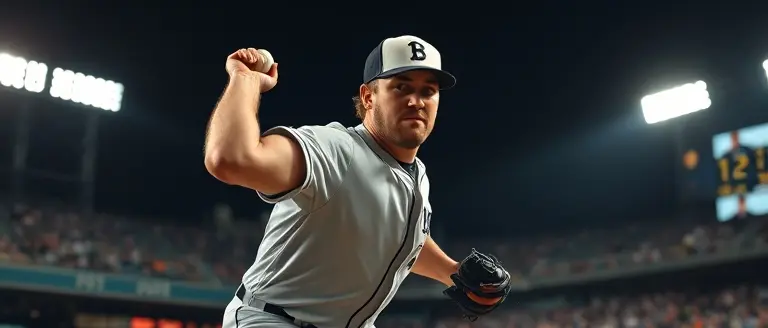
The Brooks Raley trade represents a calculated gamble by the Philadelphia Phillies front office to solidify their high-leverage relief corps ahead of the postseason. While the rivalry between the Phillies and the New York Mets typically makes such transactions unthinkable, the move signals the Phillies’ internal urgency to address specific gaps in their late-inning pitching hierarchy. Historically, the Phillies have leaned on a mix-and-match approach to close games, but Raley’s specialized profile as a veteran left-handed reliever offers a tactical versatility that the team previously lacked. By integrating a seasoned arm capable of neutralizing high-profile left-handed hitters, the Phillies are effectively shortening the game for their starters, a critical necessity when competing against top-tier offensive clubs in October.
Tactical Fit and Postseason Reliability
Raley’s utility extends beyond traditional left-on-left matchups; his extensive experience in high-leverage situations suggests he can handle the elevated intensity of a playoff race. Whether he acts as a bridge to the closer or serves as a specialist in the seventh and eighth innings, his presence provides a stabilizing influence for a bullpen that has faced inconsistency throughout the summer.
- Veteran Presence: Raley provides a calm, experienced hand that can mentor younger arms in the bullpen.
- Neutralization: His ability to induce weak contact and maintain a high strikeout-to-walk ratio makes him a nightmare for opposing pinch-hitters.
- Strategic Flexibility: Having a trusted lefty allows the manager to play matchups more aggressively without exhausting the primary high-leverage options.
Ultimately, while the acquisition of Raley cost the organization the services of promising prospects like Luke Gabrysh and John Spikerman, the move demonstrates a “win-now” philosophy. If Raley maintains his effectiveness in high-stress sequences, he may well be the missing link that stabilizes the bullpen, providing the championship-caliber depth required for a deep run into the World Series. Evidence suggests that the Phillies are betting that his postseason readiness outweighs the long-term potential of the prospects traded away.
An Unprecedented Rivalry Trade: Strategic Implications for the NL East

The Brooks Raley trade represents a seismic shift in the traditional boundaries of the National League East. Historically, divisional rivals avoid direct transactions to prevent strengthening a competitor during a pennant race. By executing the Brooks Raley trade, the New York Mets and Philadelphia Phillies have bypassed the “prisoner’s dilemma” of divisional competition, prioritizing immediate organizational goals over traditional optics. This maneuver signals a stark divergence in the trajectories of both franchises: the Phillies are aggressively pursuing a “win-now” World Series objective, while the Mets are signaling a pragmatic, if not painful, commitment to a long-term rebuild.
Strategic Divergence in the NL East
The implications of this move go beyond the simple acquisition of a veteran reliever. For the Phillies, acquiring Raley is a calculated risk to stabilize a high-leverage bullpen that has struggled with consistency. By moving prospects Luke Gabrysh and John Spikerman, Philadelphia is gambling that current championship windows are finite and should be prioritized over the long-term potential of minor-league assets.
- Phillies Aggression: By securing a proven arm, the front office is signaling total confidence in the current roster’s ability to capture the division title.
- Mets’ Long-Term Outlook: For the Mets, the return of Luke Gabrysh and John Spikerman suggests that the front office no longer views the 2026 campaign as a viable path to a deep October run.
- The Rivalry Factor: Transactions between the Mets and Phillies are notoriously rare, as both front offices generally fear the “comeback” scenario where dealt prospects eventually haunt their former club in critical late-season matchups.
Ultimately, this trade suggests that the Mets are no longer concerned with the immediate perception of losing to a rival, focusing instead on the accumulation of prospect capital. Whether this move provides the Phillies the necessary depth to secure the NL East remains the central question of the 2026 season.
Mastering the Complexities of the Trade Deadline
The Brooks Raley trade is more than just a headline; it is a tactical pivot that forces us to re-evaluate the Phillies’ bullpen and the Mets’ long-term rebuild strategy. As we dig into the statistics of prospects Luke Gabrysh and John Spikerman, it becomes clear that analyzing such high-stakes moves requires a high level of mental precision. Much like the players executing a perfect relief appearance, the dedicated sports analyst must maintain sharp cognitive focus to extract the true value hidden within scouting reports and trade hierarchies.
Analyzing the strategic impact of a trade like this requires as much mental clarity as the professionals display on the diamond. When you are pouring over detailed prospect analytics and high-leverage bullpen data, mental fatigue can often cloud your judgment. That is exactly why top analysts use The Brain Song to sharpen their focus. It serves as your essential tool for maintaining the cognitive edge required to break down professional sports scouting reports effectively, ensuring you never miss a nuance in the data.
By integrating this focus-enhancing routine into your preparation, you transform how you consume sports media, turning data-heavy information into actionable insights with ease. Don’t just read the headlines—master the game behind the game by sharpening your analytical capabilities starting today.
 Sharpen your analytical edge for deep-dive sports reporting with The Brain Song—start your 12-minute focus routine today.Yes, I Want This Now!