
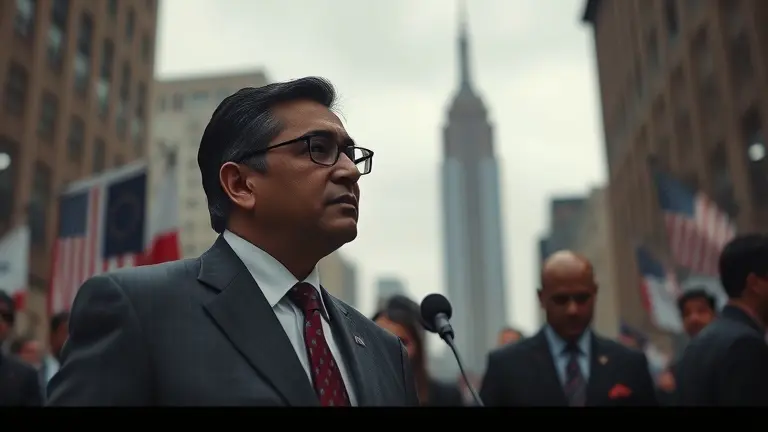
In the high-stakes arena of New York City politics, perception often moves faster than policy. Over the last 48 hours, Mayor Zohran Mamdani has found himself at the epicenter of a firestorm, characterized by intense media scrutiny following allegations of legislative opportunism and a widely publicized funeral appearance that failed to meet protocol. As headlines sharpen their focus on these controversies, the divide between verifiable record and political narrative has never felt wider, leaving the average observer struggling to parse the truth from the noise.
For those committed to genuine accountability, the current sensationalist landscape serves as a reminder that objective analysis requires more than a casual glance at a news feed. To truly understand Mamdani’s tenure—balancing his earlier legislative victories with these recent, high-profile missteps—we must strip away the partisan framing. This article aims to do exactly that: providing the necessary context to separate fact from headline and ensuring that the real record of the Mayor’s administration is laid bare for an informed public.
Analyzing the Current Controversies Surrounding Mayor Zohran Mamdani
As of August 2026, the administration of Mayor Zohran Mamdani has entered a period of heightened public scrutiny, driven by two distinct incidents that have ignited intense debate across New York City. While Mamdani’s earlier tenure—specifically the period leading up to the positive June 2026 Siena University poll—was characterized by legislative progress, the current news cycle is dominated by concerns regarding transparency, political judgment, and the management of public optics.
Legislative Attribution and Fact-Checking
Recent reporting has centered on accusations that Mayor Mamdani claimed personal credit for legislation that was reportedly already codified into law prior to his intervention. Critics argue that this represents a fundamental misunderstanding of—or an intentional attempt to obscure—the legislative timeline. To move beyond the headlines, it is essential to examine the specific bill in question:
- The Claim: Critics assert that the Mayor portrayed the policy as a new administrative victory.
- The Reality: Verification of official records suggests the measure had been “on the books” for an extended period, leading to allegations of opportunistic political posturing.
- Impact: This has fueled skepticism among political observers who prioritize administrative accountability over rhetoric.
The Funeral Incident and Public Optics
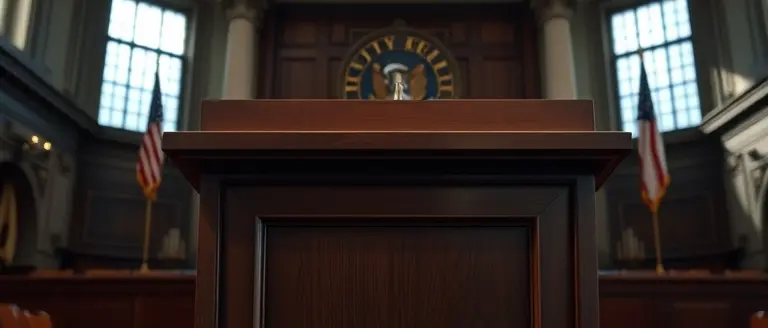
A second point of contention involves an incident at a fallen soldier’s funeral, where Mayor Mamdani arrived prepared to deliver remarks that were ultimately not included in the ceremony’s proceedings. Reports indicate that the Mayor was never called to the podium, resulting in an awkward public moment that has drawn significant criticism.
Beyond the immediate embarrassment, this event has sparked a broader conversation regarding political judgment. The narrative surrounding the funeral—perceived by some as an attempt to leverage a somber occasion for political visibility—has prompted questions about how the Mayor’s team handles sensitive public appearances. As observers continue to analyze these events, the focus remains on whether these missteps reflect a deeper issue within the administration’s communication strategy or if they are isolated incidents being amplified by a reactive media environment.
Fact-Checking the Legislative Claims: What the Records Show

Recent scrutiny surrounding Zohran Mamdani has centered on allegations that his administration attempted to claim legislative victories for policies already codified by previous city leadership. To evaluate these claims, one must distinguish between the introduction of administrative enforcement mechanisms and the underlying statutory law. A review of recent public statements from the Mayor’s office against official city legislative records reveals a complex intersection of policy continuity and new implementation strategies. Critics argue that the Mayor’s communications have blurred these lines, leading to public confusion regarding the authorship of key municipal reforms.
A granular audit of the legislation in question highlights several critical discrepancies between administrative rhetoric and archival documentation:
- Statutory Enactment: Official records indicate that the core components of the bill were passed during the preceding legislative cycle, well before Zohran Mamdani assumed his current office.
- Implementation vs. Creation: While the Mayor’s team has championed these initiatives as “signature policies,” the documentation suggests that the administration’s role has been primarily focused on the expedited rollout of existing mandates rather than the original drafting of the laws themselves.
- Policy Continuity: Evidence suggests that while the current administration has increased funding for these specific programs, the legal framework remains anchored to the foundational work of prior city councils.
The controversy highlights a common pitfall in modern governance: the tension between institutional continuity and the desire to build a distinct political legacy. By framing existing policies as new legislative achievements, the Mamdani administration has inadvertently invited skepticism regarding its transparency. While it is standard practice for any mayor to oversee the execution of laws inherited from their predecessors, the failure to clearly delineate between “inherited success” and “new policy” has fueled accusations of opportunistic political maneuvering. Moving forward, observers suggest that greater clarity in executive communications will be essential to maintaining public trust and reconciling these discrepancies with the official legislative record.
The Funeral Incident: Contextualizing Political Optics and Protocol

The recent reports surrounding Mayor Zohran Mamdani and his attendance at the funeral of a fallen soldier have ignited a broader public debate regarding the intersection of political presence and the sanctity of private mourning. According to recent accounts, the Mayor arrived at the service with prepared remarks, intending to address the congregation; however, he was not called upon to speak. This event has led to intense scrutiny, with critics questioning the judgment behind an elected official assuming an active role in a ceremony that is inherently centered on the deceased and their grieving family. In the high-pressure environment of New York City politics, such moments of perceived overreach can significantly impact public perception, often fueling narratives of self-promotion even when the official’s underlying intentions may have been rooted in a sense of duty or respect.
Navigating the Boundaries of Mourning
When public figures attend sensitive ceremonies, the line between providing official recognition and overshadowing personal grief is remarkably thin. The expectation for a Mayor is often twofold: to represent the city’s gratitude and to remain unobtrusive. The incident involving Zohran Mamdani highlights the challenges of navigating established protocols during periods of high political volatility. From an accountability perspective, it is necessary to consider the following factors when analyzing the optics of this situation:
- Established Protocol: Funeral services are typically governed by the wishes of the family, and the inclusion of political speakers is rarely a default expectation unless pre-arranged.
- Political Timing: Coming on the heels of other administrative controversies, this incident was exacerbated by a climate of existing skepticism, turning a logistical mismatch into a headline-grabbing event.
- The Weight of Office: Voters often hold mayors to a higher standard of situational awareness, expecting them to prioritize the dignity of the event over the opportunity for public address.
Ultimately, the backlash highlights a recurring tension in modern leadership: the struggle to balance the visibility required by the office with the sensitivity required by human loss. While supporters may argue that the Mayor was prepared to offer support, critics maintain that effective political leadership requires the emotional intelligence to recognize when one’s presence should remain silent, regardless of the prepared speech held in one’s pocket.
Public Favorability and the Road Ahead: Beyond the Headlines

The recent controversies involving Zohran Mamdani represent a critical inflection point for his mayoral administration. Following a June 2026 Siena University poll that showed a period of stabilization and relatively strong approval, the administration is now grappling with a sudden erosion of public confidence. The dual narratives—accusations of political opportunism regarding established legislation and the sensitive optics surrounding the fallen soldier’s funeral—have shifted the public discourse from administrative policy to concerns over personal judgment and institutional transparency. This volatility suggests that the electorate is increasingly scrutinizing the gap between the Mayor’s stated accomplishments and the verifiable legislative record.
Restoring Trust Through Accountability
To navigate this period of heightened scrutiny, the Mamdani administration must pivot from reactive damage control toward a framework of rigorous accountability. Public favorability is fragile; when voters perceive a mismatch between rhetoric and reality, support historically wanes rapidly. To regain the trust of New York City residents, the administration should consider the following strategic priorities:
- Radical Transparency: Proactively verifying the timeline of legislative achievements to ensure that credit is assigned accurately and fairly.
- Optics Management: Implementing a more disciplined approach to ceremonial appearances to ensure that the dignity of public events, such as memorial services, remains the focus rather than political branding.
- Direct Communication: Addressing the skepticism head-on by providing objective evidence for policy claims, thereby mitigating the perception of “credit-grabbing.”
Ultimately, the road ahead for Zohran Mamdani depends on his ability to align his actions with the high standard of governance expected in the nation’s largest city. While the June 2026 polling data indicated a reservoir of goodwill, sustained leadership requires more than just policy successes; it demands an unwavering commitment to authenticity. By fostering a culture of verifiable results and humble engagement, the Mayor can work to stabilize his standing and refocus the narrative on tangible improvements for New York’s diverse communities.
Beyond the Headlines: Achieving True Clarity
Synthesizing the complex timeline of Mamdani’s legislative record against the backdrop of recent public relations hurdles requires a level of mental endurance that goes beyond typical news consumption. Navigating these murky waters of political accountability demands deep concentration and a sharp mind, especially when you are tasked with separating verifiable legislative milestones from the current whirlwind of rhetorical claims. Achieving this level of objective clarity is the hallmark of a discerning and well-informed citizen.
To maintain that edge in an era of information saturation, your cognitive health is your most valuable asset. The Brain Song is a science-backed, non-invasive tool designed to help you combat mental fog and sharpen your focus, providing the cognitive endurance necessary to analyze dense policy details and complex political narratives with total precision. By optimizing your mental performance, you ensure that you aren’t just reacting to the news, but effectively dissecting it.
This is the essential step for those who refuse to settle for surface-level reporting. We invite you to experience how enhanced focus can transform the way you process information and stay ahead of the political curve.
 Sharpen your focus for the deep-dive ahead: Try the 12-minute brain-health routine here.Boost My Mental Clarity Today!