
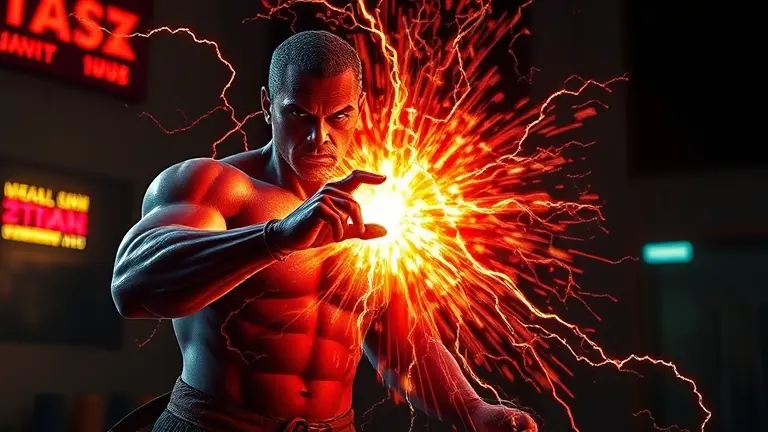
When the first teaser for the 2026 Street Fighter movie dropped on July 30, it immediately sent the internet into a frenzy. All eyes were locked on Jason Momoa’s transformation into Blanka, specifically the sequence showcasing his signature ‘Electric Attack.’ With a stylized, X-ray skeleton effect that pushes the boundaries of modern CGI, the footage has ignited a fierce debate among fans and critics alike. Is this level of digital intensity a faithful evolution of the source material, or does it stray too far into the uncanny valley?
The polarization surrounding this design isn’t just about aesthetics; it is a fundamental clash between game-accurate fidelity and the realities of live-action cinematography. As major outlets like IGN and GameSpot scramble to analyze the technical execution, a clear divide has emerged between those who crave pixel-perfect recreation and those who prefer a more grounded, photorealistic approach. To truly understand why Blanka’s shocking arrival is causing such a stir, we must look closer at the craftsmanship behind the pixels and how Legendary and Paramount are navigating the challenge of bringing a legendary gaming icon to the big screen.
The First Look: Decoding the 2026 Street Fighter Teaser
On July 30, 2026, the landscape of video game adaptations shifted dramatically when Paramount Pictures and Legendary unveiled the highly anticipated teaser for the upcoming Street Fighter movie. The footage immediately went viral, centered on a visceral reveal of the fan-favorite character Blanka, brought to life by Jason Momoa. The teaser focuses on the iconic “Electric Attack,” a move rendered with a striking X-ray skeleton effect that pays direct homage to the character’s origins in the arcade classics. As noted by major outlets like IGN, GameSpot, and ComicBook.com, this brief glimpse has transformed into the most discussed pop-culture moment of the week, sparking intense debates across social media platforms and film forums alike.
The casting of Jason Momoa has been a primary driver of this engagement. Known for his physicality, Momoa’s portrayal is being described by industry insiders as his “wildest character yet,” pushing the boundaries of motion capture and prosthetics integration. The teaser’s impact stems from two distinct elements:
- Fidelity to Source Material: The decision to include the classic X-ray electrocution effect signals a commitment to game-accurate combat that satisfies long-term franchise enthusiasts.
- Technical Ambition: The blend of live-action performance with high-end CGI creates a unique visual profile that deviates from standard superhero aesthetics.
However, the rapid spread of the clip has also invited scrutiny regarding the film’s visual identity. While fans appreciate the bold aesthetic, there is a visible divide regarding the quality of the CGI. Critics are currently weighing whether the stylized approach enhances the “fighting game” feel or if it risks alienating audiences expecting a more grounded, photorealistic cinematic experience. Regardless of the stance, the sheer volume of discourse surrounding the Street Fighter movie confirms that Paramount and Legendary have successfully captured the public’s attention, setting the stage for one of the most polarizing and anticipated theatrical releases of 2026.
Blanka Unleashed: Analyzing the X-Ray Electric Attack

The most jarring yet undeniably authentic moment in the new Street Fighter movie teaser is the sequence featuring Blanka, played by Jason Momoa, unleashing his signature “Electric Attack.” Rather than opting for a simple glow or particle effect, the production team at Legendary chose to render an X-ray skeleton effect that illuminates the inner structure of his opponents. This creative choice serves as a bold bridge between the stylized, 2D arcade roots of the 90s and the demands of a modern, photorealistic live-action blockbuster. By showing the skeletal system vibrating under the intense electrical discharge, the film effectively mimics the exaggerated visual feedback that players have loved in the games for decades.
From Arcade Sprites to CGI Realism
Translating a character as feral and electricity-charged as Blanka presents unique technical challenges. In the classic Street Fighter games, the move was characterized by quick, repetitive sprites that felt punchy and rhythmic. The 2026 adaptation attempts to replicate that kinetic energy through high-fidelity CGI, which has sparked significant debate across social media.
- Game Accuracy: The use of the X-ray motif is a direct homage to the visceral nature of modern fighting games, signaling a desire for high-impact spectacle.
- The CGI Divide: While some fans praise the “over-the-top” commitment to the source material, others argue that the high-contrast lighting feels slightly disconnected from the gritty, grounded tone established in earlier teaser shots.
- Technical Execution: The integration of the skeletal render requires precise lighting sync to ensure that the electricity appears to originate from Blanka’s body rather than floating as a layer atop the footage.
Ultimately, whether one finds the effect “too much” or “perfectly on-brand,” it is clear that the production is prioritizing game-accurate mechanics over traditional cinematic subtlety. As the marketing campaign for the Street Fighter movie progresses, this “Electric Attack” will likely serve as the litmus test for how the rest of the roster’s iconic moves—such as Hadoukens or Spinning Bird Kicks—will be integrated into this burgeoning cinematic universe. The success of this effect proves that the studio is not afraid to lean into the absurdity of the source material, a move that is essential for satisfying the long-term, passionate fanbase.
The CGI Divide: Fidelity Versus Realism
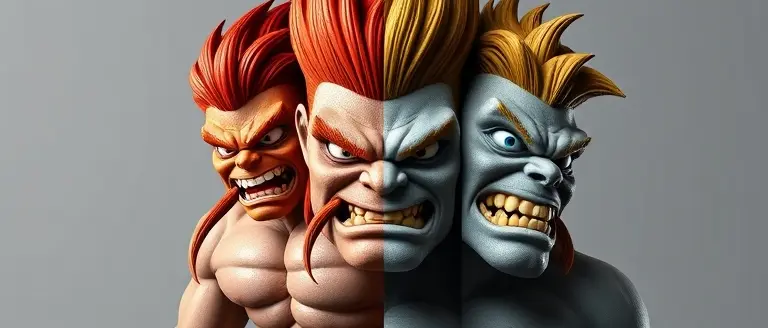
The recent teaser for the Street Fighter movie has ignited a firestorm of debate across social media, specifically regarding the visual effects utilized for Jason Momoa’s Blanka. By choosing to render his signature ‘Electric Attack’ with an X-ray skeleton effect, Paramount Pictures and Legendary have leaned heavily into video game aesthetics. This creative decision highlights a recurring tension in modern blockbuster filmmaking: the struggle to balance stylized game fidelity with the grounded expectations of live-action realism.
The Challenge of Translating Stylized Combat
Bringing a character as eccentric as Blanka to life requires more than just high-budget CGI; it requires a decision on how the character’s supernatural abilities interact with a physical, photorealistic environment. The ‘uncanny valley’ remains a significant hurdle for VFX artists attempting to blend high-intensity, glowing skeletal overlays with human movement. Critics of the teaser suggest that the visual approach feels jarring against the backdrop of the film’s otherwise gritty setting. However, supporters argue that a more “realistic” or muted version of these iconic moves would strip the adaptation of its source-material soul.
Key factors driving this polarization include:
- Visual Commitment: The choice to replicate the game’s 2D-inspired, over-the-top visual cues rather than opting for a grounded “pseudo-science” explanation for Blanka’s electricity.
- CGI Consistency: Skepticism regarding whether the high-saturation effects will maintain their visual appeal throughout the entire two-hour runtime.
- Fan Expectations: The ongoing debate over whether a Street Fighter movie should prioritize cinematic realism or act as a high-fidelity “love letter” to the arcade legacy.
Ultimately, the technical execution in the 2026 adaptation reflects a bold, if divisive, artistic direction. While some viewers find the stylized effects distracting, others see the commitment to game-accurate animations as a necessary evolution for gaming-to-film adaptations. As post-production continues, the industry will be watching closely to see if this stylistic gamble pays off at the box office.
Can Jason Momoa Carry the Street Fighter Legacy?

The casting of Jason Momoa as Blanka in the upcoming 2026 Street Fighter movie represents a bold, high-stakes gamble for Paramount Pictures and Legendary. Bringing a character as visually idiosyncratic as Blanka to live-action requires an actor capable of balancing raw, feral intensity with the physical demands of high-concept motion capture. Momoa, known for his imposing stature and history of embodying larger-than-life figures, brings a distinct “star power” that is essential for grounding the absurd, hyper-stylized nature of the Street Fighter universe. By leaning into the character’s primal nature, Momoa avoids the risk of the character feeling like a hollow digital construct, instead providing a tether for mainstream audiences who may be unfamiliar with the source material’s deep lore.
Balancing Fan Expectations and Mainstream Appeal
The division in public opinion following the recent teaser clip highlights the difficulty of translating iconic video game moves—such as the X-ray skeleton “Electric Attack”—into a live-action aesthetic. Momoa’s performance is under the microscope, as he must bridge the gap between long-term franchise loyalists and casual viewers. To ensure this version of the Street Fighter movie succeeds, the production must navigate several key creative challenges:
- Physicality vs. CGI: Momoa provides a physical baseline, but the final visual fidelity relies on the seamless integration of heavy VFX to replicate the game’s signature combat animations.
- Character Depth: Beyond the spectacle, fans are looking for an emotional core that respects the character’s tragic origin story rather than just a flashy “monster of the week” portrayal.
- Franchise Sustainability: As the 2026 release approaches, Momoa’s involvement serves as a marquee draw, potentially establishing a blueprint for how other legendary fighters might be integrated into a broader cinematic universe.
Ultimately, while the CGI execution remains a point of heated debate on platforms like IGN and GameSpot, Momoa’s proven ability to sell a performance through sheer presence is his greatest asset. If he can infuse Blanka with enough humanity to match the visual ambition of the production, he may well be the linchpin that turns this adaptation into a multi-film cornerstone.
From Digital Spectacle to Tangible Craftsmanship
The intense debate surrounding Jason Momoa’s Blanka in the 2026 Street Fighter movie highlights a universal truth: audiences demand fidelity to the blueprint. Whether it is the electrification of a video game legend or the structural integrity of a custom piece of furniture, the difference between a mediocre result and a masterpiece lies in the precision of the underlying design. When developers and creators respect the original vision while leveraging modern tools, the result is nothing short of legendary.
This same commitment to technical excellence is exactly what drives the best makers in the world. If you find yourself captivated by the granular detail of how a character like Blanka is built from the ground up, you possess the analytical mindset of a true craftsman. You understand that greatness isn’t accidental; it is the result of following a proven, professional-grade plan that eliminates guesswork and ensures every detail fits perfectly into place.
By applying the same meticulous attention to your own hobbies that the VFX team applied to this film, you can transform your creative ideas into high-fidelity reality. If you appreciate the meticulous detail required to bring a legendary character to life, discover how you can master your own creative builds with 16,000 professional-grade workshop plans.
 If you appreciate the meticulous detail required to bring a legendary character to life, discover how you can master your own creative builds with 16,000 professional-grade workshop plans.Start My Master-Level Build Today!