
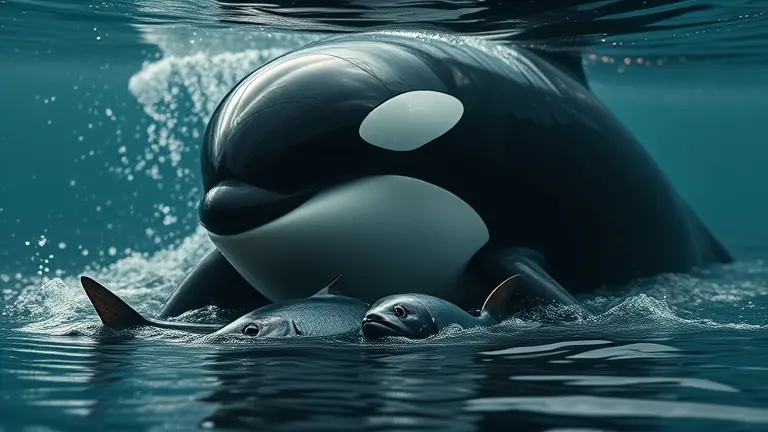
Recent marine biological findings from the Gulf of California have stunned the scientific community, revealing orcas employing unprecedented hunting tactics—such as the deliberate manipulation of sunfish fins—that suggest a level of tactical decision-making previously underestimated in cetaceans. Parallel to these displays of predatory innovation, new research indicates that these apex predators also practice strategic avoidance when encountering pilot whales, pointing to a sophisticated social hierarchy governed by complex, learned behaviors rather than simple instinct.
As we peel back the layers of these marine behavioral marvels, we find ourselves at a critical juncture in understanding cetacean social plasticity. Are these actions the result of cultural transmission passed down through generations, or are they purely opportunistic survival tactics? By contrasting these modern discoveries with outdated models of marine predator-prey dynamics, we can begin to appreciate the true depth of orca cognition and the remarkable evolution of social learning in the wild.
Redefining Apex Intelligence: New Insights from the Gulf of California
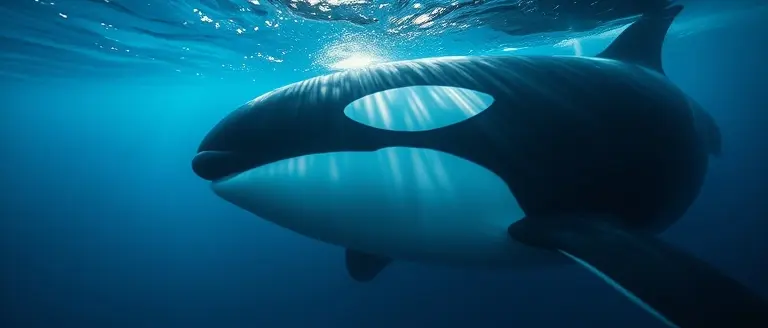
Recent findings from the Gulf of California have fundamentally challenged long-held models of cetacean cognitive abilities. Observations of orcas manipulating dead sunfish by their fins represent a sophisticated level of tactical tool-use—or at least, highly refined prey processing—that underscores the cultural transmission of complex behaviors within pods. Rather than viewing these as isolated “bizarre” events, marine biologists are increasingly classifying such actions as evidence of significant social plasticity. The orca’s ability to adapt its hunting strategies suggests that these apex predators do not merely rely on innate instinct but actively iterate and share refined techniques across generations.
Strategic Risk Assessment and Social Dynamics
The nuance of modern marine behavioral ecology is further evidenced by the newly documented relationship between orcas and pilot whales. While orcas are famously regarded as the ocean’s undisputed apex predators, recent data shows they exhibit deliberate avoidance behaviors when encountering pilot whales in nearly 68% of observed interactions. This reveals a previously underappreciated layer of strategic risk assessment. By actively choosing to circumvent potential conflict, orcas demonstrate that their dominance is not absolute, but rather a calculation influenced by:
- Energy Expenditure: The cost of engaging with an aggressive, highly social rival often outweighs the potential nutritional reward.
- Complex Hierarchy: The avoidance suggests a nuanced understanding of social hierarchies where orcas recognize the collective defensive capabilities of other cetacean species.
- Cognitive Flexibility: The ability to alter movement patterns based on the presence of non-prey, non-predatory species indicates a higher order of situational awareness.
These insights force us to move past the binary understanding of the orca as a mindless “killer” and toward a model of a highly calculating, socially intelligent mammal. This evolution in research suggests that the apex status of the orca is maintained not just through brute force, but through a refined, ongoing assessment of environmental and social variables that define life in the deep ocean.
Debunking the ‘Killer Whale’ Myth: Complexity vs. Aggression

For decades, the public perception of the orca (Orcinus orca) has been dominated by the reductive label of “killer whale”—a term that paints these cetaceans as hyper-aggressive, mindless machines driven solely by bloodlust. However, modern marine behavioral ecology is systematically dismantling this narrative. Rather than being indiscriminate killing machines, orcas are increasingly understood as highly calculated, risk-averse strategists. New scientific data reveals that these mammals prioritize energy efficiency, social intelligence, and risk assessment over simple predation, suggesting their “apex predator” status is maintained through profound cognitive plasticity rather than mere brute force.
Evidence of Tactical Decision-Making
Recent observations from the Gulf of California demonstrate a level of sophistication previously unrecorded. Documentation of orcas manipulating dead sunfish by their fins suggests that these animals engage in complex, task-oriented behavior that optimizes handling and consumption. This is not the action of a chaotic predator, but rather a display of tactical decision-making that minimizes caloric expenditure. By utilizing innovative manipulation techniques, orcas demonstrate a form of cultural transmission, where specialized hunting methods are learned, refined, and passed down through generations within a pod.
The Shift Toward Social Risk Management
Equally telling is the recent discovery that orcas proactively avoid interactions with pilot whales. Data showing that orcas avoided these encounters in 68% of observed cases highlights a complex social hierarchy and a strategic approach to conflict.
- Energy Conservation: Avoiding unnecessary, potentially injurious confrontations saves vital energy for primary hunting targets.
- Risk Mitigation: By navigating around other social marine apex predators, orcas demonstrate a capacity for long-term strategic planning.
- Cognitive Evolution: These behaviors prove that orcas operate within a framework of complex social awareness, prioritizing survival and pod stability over aggressive posturing.
Ultimately, these findings suggest that the orca is a far more cerebral creature than historical myths allow. Their status at the top of the food chain is a result of advanced social learning and an evolving understanding of their ecosystem, not an insatiable drive to kill.
The Strategic Mind: Analyzing Tactical Decision-Making
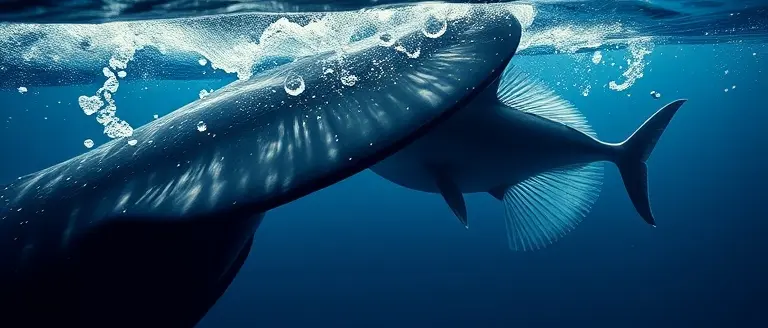
Recent observations in the Gulf of California have fundamentally shifted our understanding of orca cognition. By documenting individuals gripping the fins of dead sunfish to manipulate their position, marine biologists have identified a level of mechanical precision that mirrors tool-use-adjacent behavior. Unlike standard predatory strikes, this technique suggests that the orca is not merely acting on instinct but is engaging in complex tactical decision-making to optimize energy expenditure and feeding efficiency. This behavior requires an advanced spatial awareness and the ability to leverage external objects—the sunfish fins—as physical anchors to gain leverage, demonstrating a sophisticated mastery of their immediate environment.
Implications of Cultural Transmission
The appearance of such specialized hunting methods across specific family units strongly supports the theory of cultural transmission. In the study of cetacean social learning, these tactics are rarely the result of isolated discovery. Instead, they are likely developed and refined through long-term social interaction, then passed down through generations within the pod. This “social memory” allows pods to adapt to regional prey availability with startling speed. Key aspects of this behavioral evolution include:
- Cognitive Plasticity: The capacity to rapidly learn and implement new hunting mechanics based on the morphology of specific prey.
- Social Learning Loops: The observation of elders by younger pod members, ensuring the survival of successful tactical strategies.
- Intentionality: Moving beyond simple opportunistic feeding toward deliberate manipulation of the prey’s anatomy to overcome biological defenses.
This scientific paradigm shift moves us away from viewing marine predators as static hunters. Instead, it positions the orca as a highly dynamic, culturally driven apex species capable of inventing and transmitting complex problem-solving strategies. As we continue to document these behaviors, it becomes increasingly clear that the survival of these pods is not just about raw power, but about the collective intelligence shared among members.
Social Hierarchy and the Dynamics of Avoidance
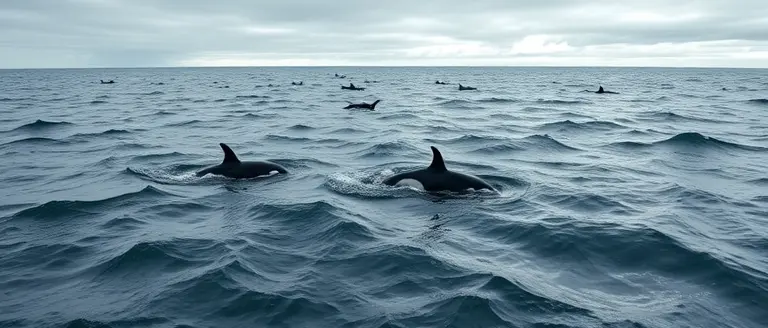
For decades, the orca (Orcinus orca) has been characterized as the undisputed master of the marine world—an apex predator that dominates every environment it inhabits. However, recent marine research, specifically data released in July 2026, has challenged this monolithic view of cetacean supremacy. Observations indicate that even these highly intelligent predators engage in strategic avoidance when encountering pilot whales. In a study analyzing 24 distinct encounters, researchers noted that orcas opted to avoid pilot whales in 68% of documented interactions. This behavior suggests that orcas, rather than being driven by simple aggressive instinct, operate within a sophisticated framework of social hierarchy and risk assessment.
Strategic Decision-Making and Ecosystem Costs
The decision to avoid a confrontation is not necessarily a sign of weakness; rather, it is a highly evolved survival tactic that prioritizes the long-term health of the pod. Engaging in conflict with another apex species carries high metabolic costs and significant physical risk. By sidestepping pilot whales, orcas demonstrate a level of ecological maturity that suggests they calculate the potential for injury against the caloric value of a “victory.” This behavioral plasticity indicates several key aspects of orca intelligence:
- Risk-Reward Calculation: Orcas assess the size and volatility of potential rivals before initiating interactions.
- Social Learning: Avoidance patterns are likely transmitted through cultural learning, ensuring that younger members of the pod inherit the strategies developed by elders.
- Resource Conservation: By avoiding unnecessary friction, pods preserve their energy reserves for specialized hunting techniques, such as the tactical manipulation of large prey like sunfish.
Ultimately, these findings force a revision of our understanding of marine apex status. The marine ecosystem is not a flat hierarchy where the orca reigns supreme regardless of context; it is a complex, dynamic environment defined by mutual avoidance, interspecies awareness, and subtle tactical shifts. These modern biological findings highlight that orca social structures are governed by nuanced, strategic choices designed to ensure the survival of the pod in an increasingly competitive ocean.
Unlock the Potential of Your Own Cognitive Capacity
The mastery displayed by orcas serves as a profound reminder of the power of specialized, high-level cognition. Whether it is navigating complex social hierarchies or engineering novel hunting strategies, these creatures demonstrate that the ability to process information and adapt quickly is the ultimate hallmark of intelligence. As we marvel at the complex tactical decision-making and cognitive plasticity of these marine apex predators, it’s worth considering how we, too, can optimize our own mental focus and learning capacity using neuroscience-based methods.
You don’t need to be an apex predator in the ocean to harness the advantages of cognitive clarity. Much like the neural stimulation required for the sophisticated behaviors we observe in orca pods, human brain performance relies on consistent, targeted activation. The Brain Song offers a unique bridge between these biological principles and human neuro-optimization, utilizing auditory stimulation to help you sharpen your focus, improve your memory, and achieve a state of heightened cognitive clarity.
By integrating the same principles of neural engagement that sustain complex social learning in nature, you can unlock a new level of mental performance. It is time to move beyond standard learning methods and embrace a science-backed approach to your own brain health.
 Discover how to sharpen your own focus and cognitive function with a simple 12-minute daily routine inspired by modern neuroscience.Yes, I Want to Optimize My Brain Today!