

For over 14 years, the NASA Mars rover Curiosity has been our eyes and ears on the Red Planet, shattering expectations of its original mission lifespan. Yet, recent telemetry from Sol 4963 paints a sobering picture: the iconic rover is showing significant physical deterioration, with its wheels suffering from accelerated wear that threatens internal cabling. This mechanical crisis, contrasted against the thrilling discovery of a mysterious ‘honeycomb-shaped polygonal’ field, highlights the dual nature of deep-space exploration—a triumph of endurance shadowed by the constant, encroaching toll of the harsh Martian environment.
As Jet Propulsion Laboratory (JPL) engineers race to implement contingency protocols to safeguard the mission’s future, the scientific community is left to grapple with the geological implications of the new honeycomb terrain. This rare juncture of breakthrough science and hardware fragility offers a unique lens through which to view mission creep and technical success. How does a piece of hardware designed for a two-year mission survive a decade and a half of punishing terrain? The answer lies not just in durable materials, but in the meticulous, precision-based engineering that serves as the foundation for every movement the rover makes.
The Curiosity Paradox: Martian Honeycomb Terrain and the Sol 4963 Crisis

The NASA Mars rover Curiosity continues to redefine our understanding of the Red Planet, even as it approaches the physical limits of its hardware. As of late July 2026, the mission has reached a strange convergence of scientific triumph and mounting technical anxiety. Researchers are currently analyzing a newly discovered honeycomb-shaped polygonal field, a geological anomaly that has puzzled scientists due to its massive scale. After 14 years of traversing Gale Crater, this discovery serves as a profound testament to the rover’s longevity and its ability to uncover Martian mysteries that were previously obscured by dust and distance.
However, this breakthrough is tempered by the sobering reality of the mission’s aging infrastructure. Data transmitted from Sol 4963 has confirmed significant and accelerated deterioration of the rover’s back wheels. The structural integrity of the wheels has reached a point where JPL engineers are no longer monitoring for mere wear; they are actively preparing contingency protocols to mitigate the risk of internal cabling damage. The contrast is stark: the rover is currently performing some of its most complex geological work while simultaneously navigating a precarious mechanical decline.
The Balancing Act: Mission Longevity vs. Hardware Integrity
The current situation highlights the inherent risks of extending a mission far beyond its original life expectancy. To maintain operational capability, the team at Jet Propulsion Laboratory (JPL) is employing a variety of survival strategies:
- Wheel-Wear Monitoring: Frequent assessment of the aluminum wheels to calculate the exact threshold before metal fatigue compromises the internal cabling systems.
- Contingency Routing: Selecting specialized paths to avoid high-risk, sharp-rock terrain that could accelerate the failure of damaged wheel struts.
- Scientific Prioritization: Balancing the exploration of the Martian honeycomb terrain with the conservation of motor power and rover mobility.
This “triumph and toll” dynamic underscores the incredible resilience of Curiosity. While the Sol 4963 reports are concerning, the rover’s ability to survive in such a harsh environment for over a decade remains an unprecedented achievement in planetary exploration. As the mission enters this late-stage phase, the focus shifts toward extracting maximum scientific value while managing the inevitable end-of-life risks inherent in 14-year-old hardware.
Visualizing Mission Creep: A Decade of Wear and Tear
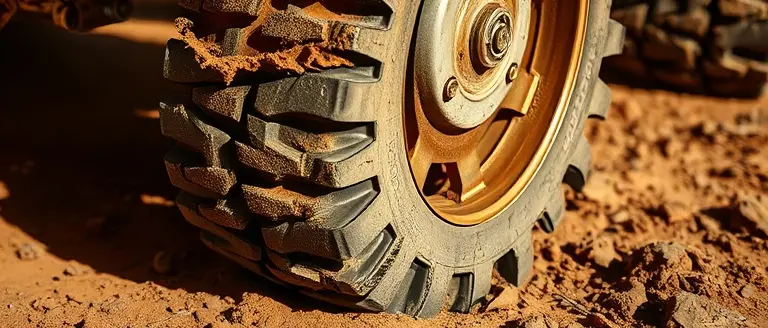
The NASA Mars rover Curiosity stands as one of the most successful examples of “mission creep” in the history of space exploration. Originally designed for a primary mission spanning just two Earth years, the rover has continued to traverse the Martian surface for over 14 years. While this extended operational lifespan has yielded invaluable scientific data, it has come at a significant physical cost. The rover is currently contending with the reality of its mechanical age, as the harsh and jagged Martian regolith relentlessly grinds away at its aluminum wheel structure, pushing the hardware to its absolute structural limits.
The Engineering Toll of Longevity
As of Sol 4963, the condition of the rover’s back wheels has become a critical point of concern for JPL engineers. The accumulation of miles on these wheels has led to accelerated deterioration, manifesting as punctures and thinning metal that threaten to expose or damage vital internal cabling. This mechanical vulnerability is not a design flaw, but rather a testament to the unexpected longevity of the mission. Engineers are now forced to navigate the Martian honeycomb terrain with heightened caution, prioritizing pathfinding routes that minimize further impact on the damaged chassis.
To better understand the current risk profile, consider the following factors impacting the rover’s structural integrity:
- Material Fatigue: After 14 years of exposure to extreme thermal cycling and abrasive dust, the thin aluminum wheels have reached a point where minor rock strikes can trigger significant structural degradation.
- JPL Contingency Protocols: Faced with the potential for mechanical failure, the team has implemented complex navigation strategies to protect the cabling, including “rock-snap” avoidance tactics that bypass the most treacherous terrain.
- Operational Evolution: The mission has transitioned from a search for basic habitability to an intensive study of complex geological features, forcing the rover into environments far more punishing than those identified in initial mission parameters.
The current situation highlights the delicate balance between the desire for continued discovery and the pragmatic necessity of hardware preservation. While the Curiosity rover remains a powerhouse of scientific observation, the visible wear on its mobility system serves as a stark reminder that even the most robust interstellar explorer eventually faces the inescapable entropy of a decade-plus on a hostile planet.
JPL Contingency Protocols: Safeguarding the Mission
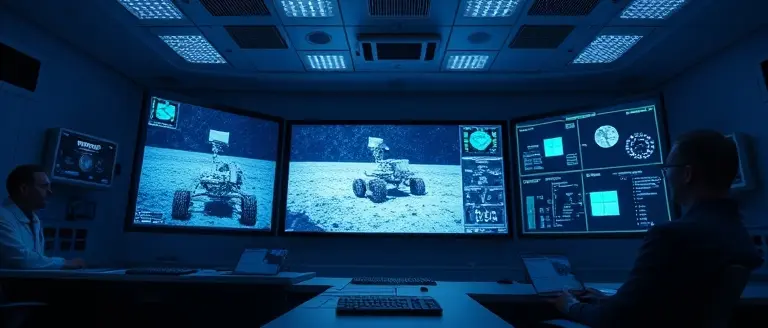
As the NASA Mars rover Curiosity traverses the harsh Martian landscape, recent imagery from Sol 4963 has brought the physical toll of its 14-year odyssey into sharp focus. The accelerated deterioration of the rover’s back wheels represents a significant mechanical hurdle, posing a direct threat to internal components. Engineers at the Jet Propulsion Laboratory (JPL) have identified that as the wheel structural integrity wanes, the risk of damage to critical internal cabling increases. To mitigate these hazards, mission controllers have shifted from standard navigation to advanced JPL contingency protocols, which prioritize path selection to avoid sharp, high-stress rocks that could further compromise the wheels.
Engineering for Longevity and Risk Mitigation
The resilience of the Curiosity mission is a testament to over-engineering, as the rover was originally designed for a primary mission lifespan of only two years. To extend its utility well beyond this window, the team utilizes a data-driven approach to hardware health. By analyzing historical wear patterns and the current status of the aluminum chassis, engineers have developed a multi-layered strategy for mission preservation:
- Terrain Analysis: Utilizing high-resolution orbital and surface imagery to categorize terrain, avoiding “high-risk” sharp rock clusters that threaten wheel integrity.
- Traction Control Algorithms: Refining wheel-to-ground interface software to minimize excessive slipping, which historically accelerates metal fatigue.
- Redundancy Planning: Implementing remote patches that reroute power and data traffic, ensuring that if a cable is damaged, critical systems remain operational through alternate pathways.
These measures are not merely reactive; they are essential survival strategies that allow the rover to continue exploring unique geological formations like the recently discovered Martian honeycomb terrain. By balancing the scientific mandate of discovery with the fragile state of its aging hardware, JPL ensures that every meter traveled is calculated to maximize scientific return while preserving the integrity of this historic space exploration asset. The mission remains a delicate dance between pushing technical boundaries and respecting the physical limitations of hardware that has defied all operational expectations.
The Future of Mars Exploration: Learning from Curiosity

The engineering challenges observed in the NASA Mars rover Curiosity serve as a critical blueprint for the next generation of interplanetary robotics. After 14 years of operation, the visible degradation of the rover’s wheels—documented extensively through Sol 4963 imagery—has forced NASA’s Jet Propulsion Laboratory (JPL) to refine its durability testing. By analyzing how these aluminum wheels interact with the harsh, jagged Martian honeycomb terrain, engineers are gaining unprecedented data on surface abrasion and material fatigue. This empirical evidence is already being integrated into the design iterations of future sample return missions, which prioritize higher-load-bearing chassis and advanced wheel-tread alloys capable of surviving decades rather than years.
Engineering Resilience and Mission Longevity
The transition from mission expectations to reality has shifted the focus toward “contingency-first” architecture. While Curiosity was initially designed for a two-year primary mission, its survival into a second decade highlights the importance of modularity in software and adaptive maintenance protocols. Future missions are being designed with:
- Adaptive Navigation Algorithms: AI-driven pathfinding that specifically identifies and avoids rock formations known to accelerate wheel damage.
- Redundant Cabling Pathways: Shielding internal infrastructure from structural debris and mechanical failures to prevent total system collapse.
- Extended Thermal Management: Lessons from Curiosity’s internal power fluctuations are informing new power-cycling systems that better manage the thermal stress on delicate electronic components.
Ultimately, the goal is to balance the high-risk exploration of complex geological features—like the recently discovered honeycomb-shaped polygonal field—with the necessity of maximizing scientific yield. JPL engineers are now prioritizing the “Triumph and the Toll” methodology, where scientific gain is weighed against hardware risk. This ensures that even as a rover nears the end of its operational life, it continues to provide mission-critical data until the final shutdown, leaving a legacy of knowledge that ensures the survival and success of future exploration vessels on the Red Planet.
Bridging the Gap: Precision Engineering on Mars and in Your Workshop
The story of the Curiosity rover is a testament to human ingenuity. Fourteen years on, the discovery of the honeycomb-shaped polygonal field continues to redefine our understanding of Martian geology, yet it serves as a stark reminder of the fragile balance between mission success and mechanical failure. As JPL engineers pivot to handle the accelerated wear observed on Sol 4963, we are reminded that even the most advanced technology is beholden to the laws of physics and the importance of structural integrity.
Just as NASA engineers rely on meticulous contingency plans to overcome unexpected mechanical wear on Mars, successful hands-on projects here on Earth depend entirely on the quality of your technical blueprints. Whether you are building a complex structure or a precision furniture piece, trial-and-error is the enemy of excellence. You deserve the same level of technical clarity and structural foresight that the scientists behind the Curiosity mission utilize every single day.
Our recommended solution, Ted’s Woodworking, is the ‘Engineer’s Choice’ for DIY enthusiasts who demand professional-grade, workshop-tested plans. By eliminating guesswork, these blueprints ensure your projects maintain the integrity required for long-term durability. Apply the same precision engineering to your own workshop projects—get access to 16,000 professional blueprints here.
 Apply the same precision engineering to your own workshop projects—get access to 16,000 professional blueprints here.Start My Precision Project Now!