
As of mid-2026, the silver screen is experiencing a profound renaissance, perfectly epitomized by the sold-out, record-breaking runs of 70mm IMAX screenings at AMC Theatres. Audiences are clearly craving high-fidelity, immersive storytelling, proving that the theatrical experience is not just surviving—it is evolving into an essential luxury. Yet, beneath the glamour of the marquee, a structural transformation is underway. AMC CEO Adam Aron has ignited a firestorm of debate, publicly advocating for a massive consolidation between industry titans like Paramount and Warner Bros., arguing that only a leaner, more integrated landscape can sustain the massive investment required for today’s cinematic spectacles.
This intersection of premium consumer experiences and high-stakes corporate strategy presents a defining moment for the future of entertainment. For the modern professional, navigating this landscape requires more than just a ticket; it demands a sharp eye for the mechanics of film distribution and the volatile shifts in studio power. To truly understand whether the next decade of AMC theatres will be defined by record box office growth or a radically consolidated slate of films, one must possess the cognitive clarity to cut through the noise of corporate posturing.
The Dual Force Driving AMC Theatres: Industry Consolidation and the Return of Premium Cinema
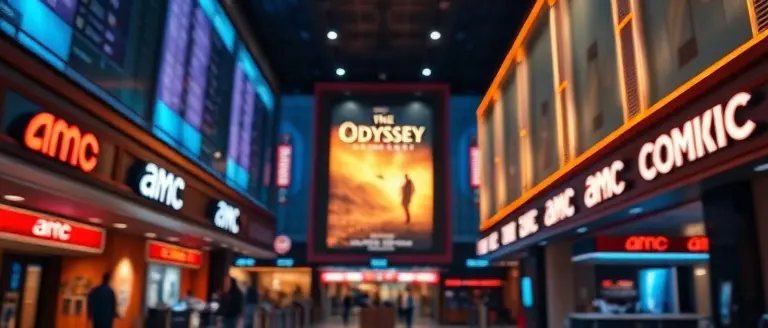
As of July 30, 2026, AMC Theatres finds itself at a critical nexus of corporate strategy and consumer demand. The industry is currently observing a two-pronged narrative: the high-level financial maneuvering proposed by leadership and the ground-level reality of record-breaking ticket sales for premium formats. CEO Adam Aron has ignited a firestorm of discussion within the business community by publishing a high-profile op-ed advocating for a merger between media giants Paramount and Warner Bros. Aron argues that such consolidation is not merely an option, but a structural necessity for the long-term sustainability of theatrical distribution, suggesting that a unified studio powerhouse would provide the consistent content pipeline required to keep multiplexes solvent.
The Power of Premium Formats
While executives weigh the merits of industry-wide mergers, AMC theatres locations are seeing an immediate, tangible surge in revenue driven by a shift toward experiential cinema. The overwhelming success of the film The Odyssey in IMAX 70mm serves as the perfect case study for this trend. After weeks of consistent sell-out crowds, the extended run of the title highlights a clear consumer preference for high-quality, large-format presentations that cannot be replicated in a home environment.
This dual focus suggests several key takeaways for stakeholders:
- Strategic Consolidation: If the proposed media mergers proceed, they could lead to a more stabilized release schedule, reducing the “feast or famine” cycle that has historically plagued theater chains.
- Experiential Demand: The sustained popularity of the AMC theater premium offerings confirms that audiences are increasingly prioritizing “event cinema.”
- Market Resilience: By balancing macro-level corporate advocacy with granular attention to the audience experience, AMC is effectively positioning itself as the primary guardian of the theatrical ecosystem.
Ultimately, these developments illustrate a transformative period for the exhibition industry. Whether through the lens of corporate synergy or the visceral appeal of the big screen, the current momentum suggests that the future of cinema relies heavily on both the business infrastructure supporting it and the premium quality of the content being showcased.
The Consolidation Debate: What a Paramount-Warner Merger Means for Future Film Slates
In a bold move that has captured the attention of both Wall Street and the entertainment industry, AMC Theatres CEO Adam Aron has publicly advocated for a merger between media giants Paramount and Warner Bros. Aron argues that such a strategic consolidation is essential to ensure the long-term viability of theatrical distribution. From the perspective of AMC theaters, this proposal is rooted in the necessity of maintaining a robust and consistent pipeline of high-budget feature films. By pooling resources and streamlining content creation, a merged studio entity could theoretically stabilize production costs while focusing on the blockbuster tentpoles that draw mass audiences to the big screen.
Impacts on Film Availability and Distribution
The debate surrounding this potential merger centers on the tension between “streaming-first” strategies and the preservation of exclusive theatrical releases. For moviegoers, the implications of such a deal are significant:
- Increased Budgetary Focus: A combined studio may favor a “quality over quantity” approach, potentially reducing the number of mid-budget films but increasing the marketing and production spend on massive spectacles.
- Theatrical Exclusivity: Supporters argue that a leaner, consolidated studio will be more reliant on theatrical box office revenue to recover costs, likely strengthening the standard 45-day exclusive window at AMC theatres.
- Variety Concerns: Critics fear that consolidation could lead to a homogenized film slate, where experimental or niche storytelling is sacrificed for franchise-heavy content designed to guarantee theater attendance.
As AMC theater executives look toward the future, the primary goal remains the optimization of the cinematic ecosystem. While a merger could provide the scale needed to sustain large-scale theatrical distribution, the industry must carefully balance fiscal efficiency with the creative variety that keeps audiences engaged. If a Paramount-Warner merger materializes, it could set a precedent for how studios utilize AMC locations to maximize the reach of their premium cinematic assets in an increasingly competitive media landscape.
The IMAX 70mm Surge: Why Audiences are Demanding Premium Experiences
Modern moviegoers are increasingly prioritizing “event cinema” over traditional viewing habits, a shift that has significantly bolstered the performance of AMC Theatres. As streaming services continue to provide convenience at home, the theatrical industry has responded by doubling down on premium formats. Data indicates that audiences are not just looking for a movie; they are seeking a sensory experience that cannot be replicated on a living room television. The record-breaking success of films like The Odyssey in IMAX 70mm serves as a prime case study for this consumer trend, with sold-out crowds compelling exhibitors to extend theatrical runs well beyond standard release windows.
The Value Proposition of Premium Formats
The shift toward high-end cinematic technology—such as IMAX, Dolby Cinema, and premium large-format (PLF) screens—has created a clear hierarchy in box office demand. When theatergoers choose an AMC theater today, they are demonstrating a preference for technical excellence, including superior sound mixing, laser projection, and expanded aspect ratios. This demand is not merely aesthetic; it is a transactional commitment to quality.
Why premium screenings are currently dominating the AMC theatres landscape:
- Unmatched Fidelity: IMAX 70mm offers an unparalleled resolution and depth that digital formats struggle to replicate, attracting cinephiles and casual viewers alike.
- The “Event” Factor: Limited-run engagements create a sense of urgency, driving rapid ticket sales and maximizing occupancy rates.
- Theater Upgrades: Continuous investment in AMC’s premium auditorium infrastructure ensures that even as the industry faces consolidation, the “in-theater” experience remains the definitive benchmark for blockbuster releases.
By focusing on these high-margin, high-demand experiences, AMC is successfully leveraging consumer desire to justify higher ticket price points. As the industry evolves, the ability to deliver these premium, exclusive formats will likely remain the strongest differentiator for major chains competing for the modern audience’s limited leisure time.
Balancing Quantity and Quality: The Future of Theatrical Exclusivity

The current discourse surrounding AMC Theatres highlights a pivotal crossroads for the motion picture industry. As CEO Adam Aron advocates for the merger of major studios like Paramount and Warner Bros., the broader objective is clear: achieving a sustainable economic model through consolidation. Industry experts suggest that this strategic shift aims to secure a more robust, streamlined slate of theatrical-first releases. By reducing internal competition among legacy studios, proponents argue that resources can be reallocated toward producing higher-quality, “event-level” blockbusters capable of driving consistent foot traffic to the AMC theater circuit. However, critics remain wary, questioning whether fewer parent companies might inadvertently limit the creative diversity that has historically fueled the theatrical landscape.
Defining the 2027 Cinema Landscape
The bridge between financial strategy and consumer behavior is being built through the demand for premium formats. The overwhelming success of IMAX 70mm screenings for The Odyssey proves that modern audiences are prioritizing premium theatrical experiences over standardized viewing. AMC’s ability to capitalize on this trend suggests that the future of the amc theatres brand depends less on the total volume of films and more on the exclusivity and technical presentation of “must-see” titles. Looking toward 2027, several key factors will define the industry’s trajectory:
- Premium-First Distribution: Expect a shift where studios prioritize high-end technical formats (IMAX, Dolby Cinema) to justify ticket price premiums and secure extended theatrical windows.
- Strategic Consolidation: If the proposed media mergers materialize, the reduction in studio overhead may lead to a more disciplined release calendar, preventing the market saturation that often diluted box office returns in the early 2020s.
- Consumer Expectations: As home entertainment tech improves, the cinema-going landscape will rely heavily on creating experiences that cannot be replicated in a living room, reinforcing the necessity of high-quality, exclusive theatrical runs.
Ultimately, AMC’s strategic positioning suggests a future where quantity takes a backseat to intentionality. If major studios successfully consolidate, the industry may move toward a “fewer, bigger, better” philosophy, ensuring that the AMC theater experience remains an essential cultural destination.
Sharpening Your Analytical Edge
The convergence of theatrical innovation and corporate strategy is shaping a new era for AMC Theatres. Whether you are tracking the potential merger of major studios or securing a coveted seat for the next cinematic masterpiece, the core challenge remains the same: staying focused amidst a rapidly shifting media landscape. As the industry demands higher complexity in its distribution models, discerning observers must remain intellectually agile to grasp the long-term implications of these corporate maneuvers.
Just as you demand absolute clarity and sensory precision when viewing a film in a premium format, your analytical work requires the same level of cognitive refinement. Complex mergers and distribution shifts are not easily parsed through the haze of everyday distractions. This is where The Brain Song becomes an essential part of your professional toolkit. By enhancing mental clarity and reducing brain fog, it allows you to engage with the intricacies of financial reporting and entertainment industry strategy with renewed vigor.
Align your cognitive performance with the high-stakes world of modern cinema. By optimizing your focus, you gain the intellectual vantage point necessary to stay ahead of the curve as the theater business continues to transform. Do not let complexity cloud your judgment; equip your mind to thrive in the boardrooms and the box offices of tomorrow.
 Optimize your focus and sharpen your analytical edge for the future of cinema—try The Brain Song today.Sharpen My Analytical Edge Now!