
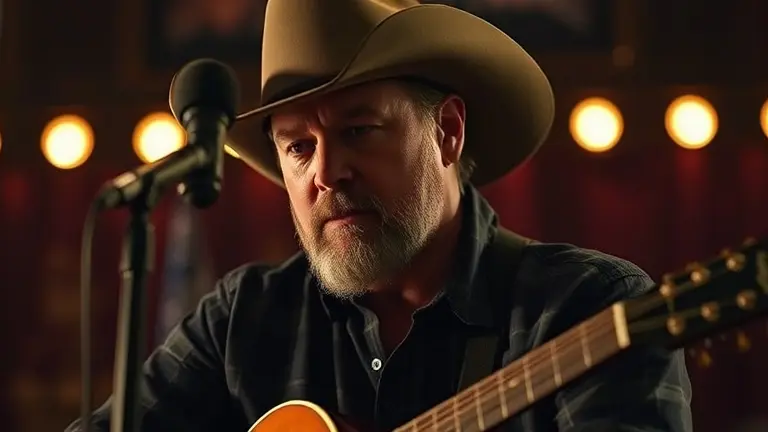
In a candid appearance on Theo Von’s podcast, country music titan Trace Adkins pulled back the curtain on a chapter of his life that has long remained in the shadows of his public persona. Recounting the harrowing 1994 incident where his then-wife, Julie Lauren Curtis, shot him during a volatile argument, Adkins offered more than just the mechanics of survival. He provided a deep, reflective look at the nature of forgiveness and the endurance of the human spirit after facing what can only be described as a "kill shot."
While media outlets have scrambled to categorize this as a fresh revelation, it is far more accurately viewed as a masterclass in retrospective growth. By revisiting the trauma with a mentor-like composure, Adkins forces us to confront an uncomfortable question: what is it that binds two people together even through the most catastrophic betrayals? This exploration goes beyond the sensationalism of the event, inviting us to examine the complex, often irrational biological and emotional drivers that keep individuals tied together through life’s most traumatic storms.
Trace Adkins on Theo Von: A Reflective Look at the 1994 Shooting
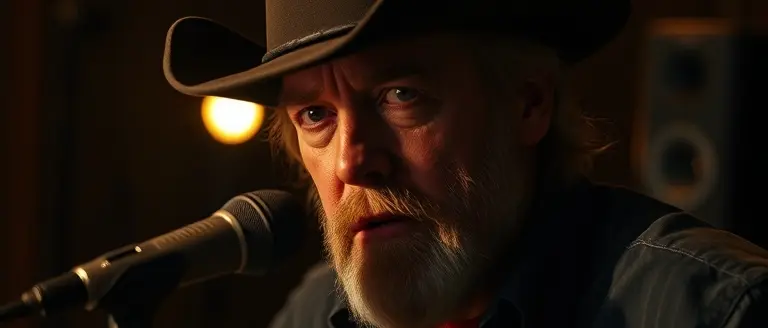
The recent appearance of Trace Adkins on Theo Von’s popular podcast has reignited public interest in one of the most harrowing chapters of the country music star’s life. While the 1994 incident involving his then-wife, Julie Curtis, is a well-documented part of his history, the conversation offered a distinct, mature perspective that has resonated deeply with contemporary audiences. Rather than recounting the event as a mere news headline, Adkins provided a revealing retrospective, detailing the physical toll of being shot through the heart and lungs and the subsequent emergency medical interventions that saved his life. This latest commentary is not an attempt to sensationalize the past, but rather a profound exploration of personal resilience and the psychological evolution required to move forward after a near-death encounter.
The viral resurgence of this story highlights a shift in how fans engage with their favorite celebrities, moving from simple curiosity to an appreciation for the depth of personal narratives. By revisiting the moment the bullet struck, Adkins opened up about the complexity of forgiveness in high-trauma scenarios. His reflection remains balanced and surprisingly grace-filled, particularly when he noted, “I don’t think she meant to,” underscoring a commitment to healing that has defined his public persona for over three decades.
Key Themes of the Retrospective:
- The Psychology of Forgiveness: Adkins’ ability to speak candidly about his ex-wife without bitterness serves as a case study in emotional maturity and long-term trauma processing.
- Survival and Resilience: The podcast provided a platform to discuss the medical miracle of his survival, grounding the story in the reality of his physical recovery and the endurance required to sustain a multi-decade music career.
- Contextualizing the Narrative: The discussion serves as a reminder that Adkins’ current status as an industry mentor is built upon a foundation of overcoming extreme adversity, transforming a dark personal history into a testament to human fortitude.
By framing this event as a retrospective rather than a breaking news story, Adkins allows his audience to view his journey through a lens of profound growth, cementing his legacy not just as a singer, but as an individual defined by his capacity for reconciliation.
The Anatomy of Forgiveness: How Adkins Processed the Unthinkable

The recent discourse surrounding Trace Adkins and his 1994 brush with death at the hands of his then-wife, Julie Curtis, has shifted from the initial shock of the “kill shot” to a deeper, more profound examination of the country star’s psychological resilience. During his candid appearance on Theo Von’s podcast, Adkins offered a reflective retrospective on the trauma, emphasizing that his decision to extend forgiveness was less about exonerating his ex-wife and more about reclaiming his own future. By explicitly stating, “I don’t think she meant to,” Adkins provided a window into a mindset that prioritizes emotional liberation over the burden of long-term resentment. This nuance is critical; he frames his survival not as a battle he won against an adversary, but as a period of extreme personal evolution that shaped the mentor-like figure he is today.
The Psychology of Moving Forward
Adkins’ ability to decouple the incident from his present identity serves as a case study in mental resilience. In high-trauma scenarios, experts often note that victims who move past bitterness tend to experience higher rates of long-term professional and personal stability. For Trace Adkins, the process of moving forward appeared to rely on several key psychological pillars:
- Reframing the Narrative: Rather than dwelling on the intent behind the shooting, Adkins focused on the medical miracle of his survival and the secondary chance at a career that followed.
- Detachment from Hostility: By opting for empathy, he stripped the incident of its power to dictate his future relationships or emotional state.
- Focus on Survival: Adkins channeled the energy required to process such a catastrophic event into his music and character development, effectively transforming his public persona from a rising star into an industry elder.
Ultimately, the revelation from his recent podcast appearance reinforces the idea that forgiveness is a strategic tool for emotional survival. It allowed Adkins to transition from a victim of a violent encounter to a survivor who continues to influence the country music landscape three decades later.
From Crisis to Country Icon: Tracing a Career of Resilience

The 1994 incident involving Trace Adkins and his then-wife, Julie Curtis, remains one of the most harrowing chapters in the history of country music. While many artists of the 90s cultivated personas based on stage presence, Adkins’ resilience was forged in the reality of an emergency operating room. After sustaining a gunshot wound that pierced both his heart and lungs, the singer faced a near-death experience that forced a total recalibration of his life path. By reframing this trauma not as a career-defining tragedy, but as a catalyst for profound personal evolution, Adkins successfully transitioned from an aspiring musician into a seasoned industry veteran known for his signature grit and authentic storytelling.
The Anatomy of Adkins’ Resilience
The narrative surrounding the shooting has evolved significantly over three decades, shifting from sensationalized headlines to a reflective discourse on the power of forgiveness. When discussing the event on Theo Von’s podcast, Adkins emphasized that he held no long-term animosity toward Julie Curtis, suggesting that the act was impulsive rather than calculated. This public stance has solidified his reputation as an “outsider” who carries the weight of hard-earned wisdom. Key elements of this career trajectory include:
- Authentic Grit: The survival of a “kill shot” bolstered his credibility, aligning perfectly with the raw, blue-collar themes prevalent in his discography.
- Reflective Maturity: His decision to openly discuss the event in 2026 demonstrates an evolution in his public persona, shifting from a guarded country star to a mentor-like figure.
- Endurance: Surviving such a catastrophic injury provided Adkins with a unique psychological baseline, allowing him to navigate the volatility of the music industry with a stoic, grounded perspective.
Ultimately, this retrospective look at the 1994 shooting highlights a rare intersection of vulnerability and strength. By choosing to prioritize grace over resentment, Trace Adkins has managed to maintain a long-standing career that feels increasingly relevant to modern audiences who value transparency and human depth in their icons.
Visualizing the Journey: The Power of Long-Form Storytelling

The recent surge in public interest surrounding Trace Adkins and the harrowing 1994 incident involving his then-wife, Julie Curtis, underscores a significant shift in how audiences consume celebrity narratives. By moving away from traditional, fragmented soundbites and embracing the long-form format of podcasts—specifically his recent appearance on Theo Von’s show—Adkins has demonstrated the immense power of conversational storytelling. Unlike a three-minute television segment or a brief online headline, this extended medium provides the necessary space for vulnerability, allowing Adkins to contextualize a traumatic “kill shot” injury not just as a piece of tabloid history, but as a defining chapter in his personal evolution.
Long-form media fosters a deeper psychological connection between the public figure and the audience. When celebrities sit down for hour-long conversations, they reclaim agency over their life stories, transforming past traumas into platforms for reflection and growth. For fans, this humanizes the country star, shifting the focus from the sensationalist aspects of his 1994 injury to his current capacity for forgiveness and resilience. This format is particularly effective for several reasons:
- Contextualization: It allows for the exploration of complex emotions, such as the nuanced forgiveness Adkins feels toward Julie Curtis, which is often lost in shorter reporting.
- Authenticity: The raw, unscripted nature of podcasting eliminates the “PR filter,” enabling viewers to perceive genuine introspection rather than a polished press release.
- Narrative Control: By recounting his own medical miracle and survival, Adkins shapes the public perception of his character, reinforcing his status as a grounded mentor figure in the modern music industry.
Ultimately, the viral success of this retrospective look at his survival highlights that today’s audiences crave depth. By opting for long-form video and audio, Trace Adkins proves that high-trauma scenarios, when shared with honesty and maturity, serve to bridge the gap between celebrity and fan, resulting in a more profound, lasting public engagement.
Decoding the Psychology of Devotion
Trace Adkins’ journey—from the brink of a fatal encounter in 1994 to his current position as an icon of resilience—is more than just a headline-grabbing survival story. It serves as a profound case study in the complexities of human attachment. While we often look for logical explanations for why we forgive the unforgivable or stay tethered to those who have caused us the most profound pain, the reality often lies in the hidden biological and psychological drivers that shape our intimate connections.
Understanding these patterns is essential for anyone looking to make sense of the intense emotional bonds that define their own lives. Just as Adkins navigated the aftermath of his trauma with a perspective that many find inexplicable, we all possess subconscious triggers that dictate how we love, forgive, and commit. These aren’t just “feelings”; they are hardwired responses that influence our long-term happiness and stability.
If you have ever found yourself questioning the “why” behind the choices we make in love—or why some bonds seem to weather even the most devastating storms—there is a psychological framework that can help decode these mysteries. By exploring the hidden biological triggers of devotion, you gain the power to understand the forces behind the world’s most intense, life-altering relationships.
 Learn more about the hidden biological triggers of devotion and how they influence the way we love and forgive.Unlock the Secrets of Deep Connection Today!