

The halls of the Senate were electrified on July 29, 2026, as Dr. Anthony Fauci faced a Republican-led committee under the gavel of Senator Rand Paul. In a spectacle that transcended standard oversight, the hearing transformed into a historic display of legal maneuvering rather than transparent inquiry. By invoking the Fifth Amendment more than 100 times, Dr. Fauci effectively shuttered the door on direct questioning regarding the federal government’s pandemic response and the enigmatic origins of COVID-19. Labeling the proceedings as ‘unhinged’ in his opening remarks, Dr. Fauci’s defensive posture has ignited a firestorm, raising profound questions about the limits of institutional authority and the constitutional protections afforded to former public officials.
This unprecedented standoff forces us to look past the political theater and examine the underlying precedents of silence within Congressional oversight. As the nation grapples with a surging wave of COVID-19 cases across 37 states, the timing of this silence is not merely a legal convenience; it is a point of acute public anxiety. While politicians perform for the cameras, the reality of our current health environment remains a tangible concern for every citizen. Understanding why this hearing matters requires us to separate the legal posturing from the medical reality, ultimately moving from a place of political frustration toward taking control of our own personal health resilience.
The July 29 Standoff: Analyzing the Fauci-Paul Senate Confrontation
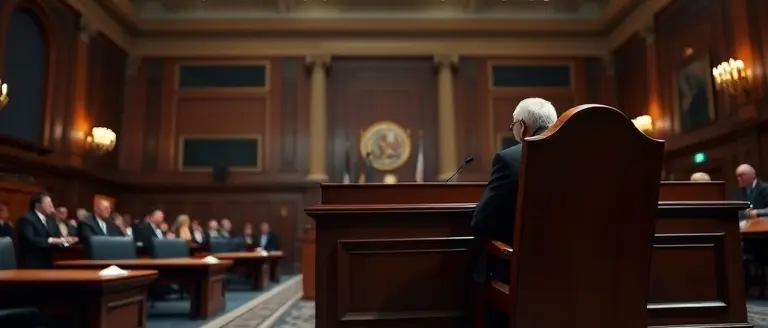
The Senate hearing on July 29, 2026, marked a watershed moment in executive branch oversight, characterized by a dramatic departure from standard testimony protocols. When Dr. Anthony Fauci appeared before the committee chaired by Senator Rand Paul, the proceedings quickly devolved into a constitutional standoff. In his opening statement, Dr. Fauci aggressively characterized Senator Paul’s line of inquiry as “unhinged,” setting a volatile tone for the remainder of the session. This rhetorical escalation preceded an unprecedented legal strategy: over the course of the hearing, the former director of the National Institute of Allergy and Infectious Diseases invoked his 5th Amendment right against self-incrimination more than 100 times.
A Historical Anomaly in Oversight
The refusal to testify on matters regarding the origins of COVID-19 and federal pandemic response strategies represents a rare, if not historic, use of constitutional protections by a former high-ranking public servant. Historically, such invocations are common in criminal proceedings but are jarring when applied to Congressional oversight hearings designed for transparency. The implications of this move are significant:
- Constitutional Shielding: By utilizing the 5th Amendment, Dr. Fauci effectively halted the committee’s ability to extract testimony, prioritizing legal self-protection over the traditional expectation of full disclosure by government officials.
- Political Polarization: The decision has intensified the divide between proponents of aggressive oversight and those who view the fauci hearing as a politically motivated witch hunt.
- The “Unhinged” Narrative: By labeling the committee chair as “unhinged” before initiating his silence, Dr. Fauci shifted the public narrative away from the substance of the questions and toward the perceived hostility of the environment.
As the nation faces a late-summer surge in cases across 37 states, this confrontation serves as a high-stakes collision between medical governance and legislative accountability. The reliance on constitutional silence suggests that the legal exposure surrounding the federal response has reached a critical threshold, leaving the public to reconcile the necessity of oversight with the protected rights of the individual.
Constitutional Protections vs. Public Accountability
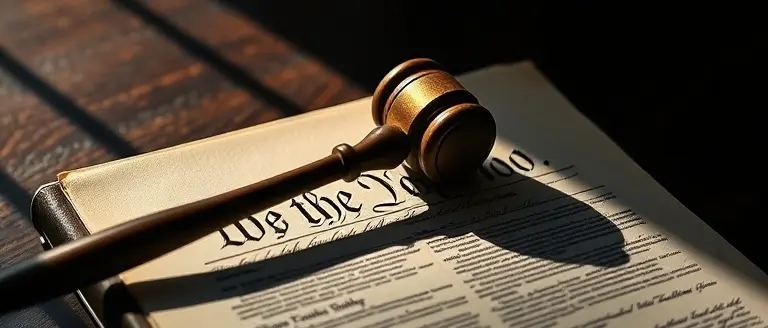
The recent fauci hearing has ignited a profound national debate regarding the limits of executive accountability when faced with potential legal peril. When Dr. Anthony Fauci invoked the 5th Amendment more than 100 times during his testimony before the committee chaired by Senator Rand Paul, he bypassed the traditional norms of Congressional oversight. Legally, the Fifth Amendment is a foundational pillar of American jurisprudence, designed to protect individuals from compelled self-incrimination. However, the application of this right by a long-term public servant creates a distinct friction point between constitutional shielding and the moral expectation of transparency.
The Precedent of Silence
Historically, high-ranking government officials rarely rely on the Fifth Amendment, as their public roles usually mandate a level of transparency that transcends personal legal protection. By choosing silence, the former health official has shifted the conversation from medical policy to a legal survival strategy. This maneuver forces a complex question: does a lifetime of public service create an implicit contract that overrides the constitutional privilege against self-incrimination?
Key considerations surrounding this legal strategy include:
- The Scope of Liability: Invoking the Fifth Amendment typically suggests that the individual believes their testimony could provide the necessary evidence for a criminal prosecution, regardless of actual guilt.
- The Transparency Gap: Critics argue that dr fauci set a precedent that erodes public trust, as citizens view the head of a major pandemic response as having an ethical obligation to answer for his tenure, regardless of the political or legal fallout.
- Constitutional Neutrality: Supporters of the legal strategy emphasize that constitutional rights are not conditional; they do not expire simply because an individual held a prominent federal office.
Ultimately, while Rand Paul and other committee members expressed frustration over the lack of cooperation, the invocation of the Fifth Amendment remains a protected legal tool. As the country grapples with rising health concerns, this standoff highlights the deepening divide between administrative accountability and the individual protections afforded by the U.S. Constitution.
The Medical Catalyst: Why Mid-2026 COVID Data Matters
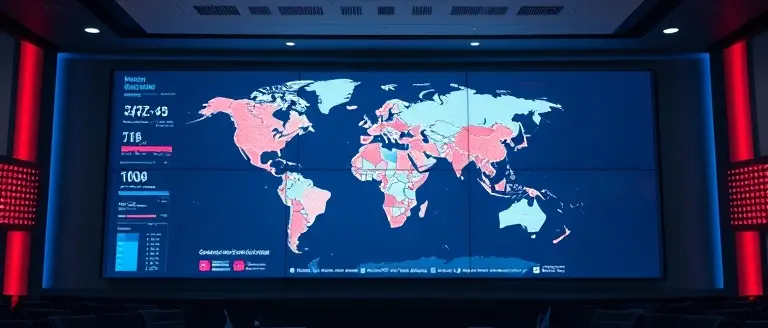
The intense political friction observed during the recent fauci hearing is not happening in a vacuum; it is deeply rooted in the volatile medical landscape of mid-2026. As of late July, public health data indicates a concerning surge in COVID-19 infections across 37 states. This resurgence has reignited public anxiety, transforming long-standing policy debates into a matter of urgent national concern. By connecting the current medical reality to the testimony of Dr. Anthony Fauci, it becomes clear why Senator Rand Paul and his committee are escalating their oversight efforts. The political urgency is a direct reaction to the palpable shift in public health sentiment as citizens grapple with the limitations of current mitigation strategies.
The Correlation Between Data and Oversight
The timing of this hearing serves as a bridge between historical accountability and contemporary governance. The committee’s aggressive posture is largely fueled by the frustration of constituents who feel that the lessons of the early pandemic era have not been adequately applied to the current surge. Key factors driving this political momentum include:
- Rising Case Loads: With widespread outbreaks in over two-thirds of the country, the efficacy of former administration policies is under intense scrutiny.
- Public Trust Erosion: The persistent ambiguity surrounding virus origins continues to impact the public’s willingness to engage with institutional health recommendations.
- The “Why Now” Factor: Senator Paul’s persistent questioning is framed by the necessity of determining whether past failures are currently being repeated, effectively using the 5th amendment controversy to highlight the lack of transparency surrounding the federal government’s pandemic response.
Ultimately, the spectacle of Dr. Fauci invoking his constitutional rights over 100 times serves as a proxy battle for broader ideological disagreements regarding federal authority. As the medical data continues to track upward, the demand for clear, unfettered answers regarding the pandemic’s origins remains a primary driver of the congressional agenda. Whether this shift will result in meaningful policy reform or continue as partisan theater depends on how the committee reconciles these legal roadblocks with the growing medical data.
The Erosion of Trust: Long-Term Implications for Public Servants

The spectacle of Dr. Anthony Fauci invoking his Fifth Amendment right against self-incrimination more than 100 times during a recent fauci hearing represents a watershed moment for American governance. When a former high-ranking public servant opts for silence over testimony, the institutional credibility of federal agencies faces a profound challenge. For decades, the implicit social contract between the American public and its health bureaucracy rested on the promise of radical transparency. By shifting to a defensive legal posture, the event creates a precedent that may fundamentally alter how former officials engage with Congressional oversight.
The Shift in Accountability Dynamics
This historic confrontation, punctuated by the sharp exchange between Dr. Fauci and Senator Rand Paul, suggests that legislative investigations are moving toward a more adversarial, courtroom-like atmosphere. The implications of this shift are multifaceted:
- Legal Precedent: The use of the 5th Amendment by a former top-tier official signals an era where public servants increasingly view potential oversight not as an opportunity for clarification, but as a direct legal threat requiring counsel-led defensive strategies.
- Institutional Skepticism: The refusal to provide testimony, combined with the “unhinged” characterization of the committee chair, risks deepening the partisan divide. It suggests that scientific inquiry has become inextricably tethered to the political volatility surrounding the mid-2026 COVID-19 case surge.
- Democratic Norms: There is a growing tension between a citizen’s constitutional rights and the expectation of public accountability. While the law permits such protections, the political fallout often leaves the public feeling that truth remains inaccessible, regardless of the evidence.
Ultimately, this development signals a potential paradigm shift in government accountability. As the public observes this breakdown in communication, the long-term impact will likely be a weakened belief in the non-partisan nature of federal expert roles. Whether this leads to future reforms in how agencies are structured or simply entrenches existing cynicism remains a central question for the American electorate.
Reclaiming Your Health in an Era of Institutional Uncertainty
The spectacle of the July 2026 hearing highlights a growing disconnect between those in power and the public they serve. Whether one views the invocation of the Fifth Amendment as a necessary constitutional shield or an act of calculated evasion, the outcome remains the same: the public is left without the clarity they were promised. While the debate over past policies will likely continue in the courts and the media, waiting for full institutional transparency is a gamble most Americans cannot afford to make, especially as the current viral surge places new demands on our respiratory systems.
While the political theater of the Senate hearing dominates the headlines, the underlying medical reality of rising cases across 37 states reminds us that personal immune resilience remains our best line of defense against the current environment. This is where moving from political consumption to personal protection becomes vital. ProDentim provides a science-backed, wellness-oriented pivot that directly addresses these respiratory concerns, supporting the oral and sinus microbiome to offer a critical layer of internal protection against modern seasonal threats.
By integrating a proactive wellness strategy into your daily routine, you are taking ownership of your health rather than relying on the fractured transparency of federal officials. It is time to move past the noise and focus on what you can truly control: your own immune resilience.
 Take charge of your personal respiratory defense by incorporating a daily probiotic routine designed to support your sinus and immune health.Transform My Respiratory Health Today!