
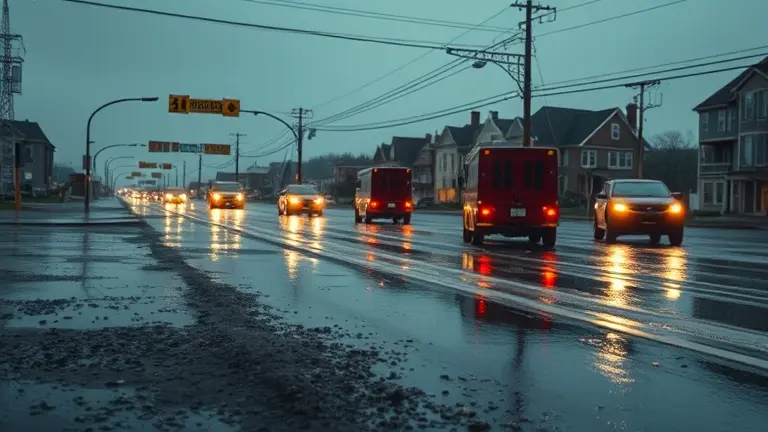
As severe, slow-moving storms continue to hammer the New York Capital Region, the situation on the ground remains volatile. With the official state of emergency declared in Rensselaer County and significant flash flooding impacting major arteries across Albany and Troy, thousands of residents are currently navigating hazardous travel conditions and critical infrastructure failures. Whether you are seeking real-time information on road closures or trying to ensure your family’s safety during this peak weather event, staying informed is your first line of defense.
Your immediate safety is the priority: check local emergency alerts, avoid flooded roadways at all costs, and keep a close eye on the latest advisories from the New York State Division of Homeland Security. However, as the waters eventually begin to recede, the focus for many homeowners will shift from navigation to restoration. Damage to fences, sheds, and outdoor home structures is often an inevitable, costly consequence of such rapid-onset flooding, requiring immediate intervention to prevent long-term property devaluation.
Current Status: July 2026 Capital District Flash Flood Emergency
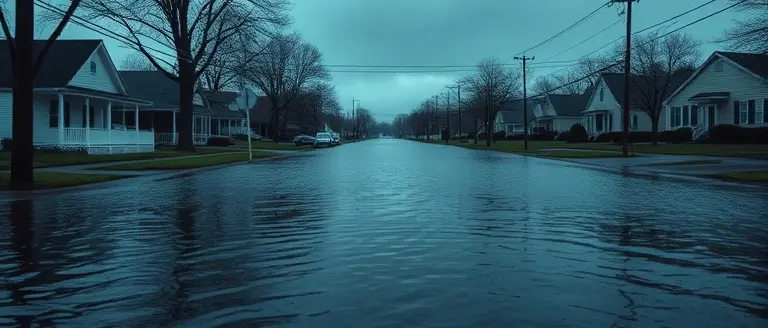
As of July 29, 2026, the New York Capital Region is navigating a severe weather crisis following a slow-moving storm system that stalled over the area. This event has resulted in prolific rainfall, dumping several inches of water onto already saturated ground in a matter of hours. The intensity of the precipitation has triggered widespread flash flooding across Albany, Troy, and significant portions of Rensselaer County, leading to dangerous conditions for commuters and residents alike. Local infrastructure has been severely impacted, with numerous reports of washed-out roadways and submerged transit routes, complicating emergency response efforts.
State of Emergency and Impact
In response to the escalating danger and infrastructure damage, a State of Emergency has been officially declared for Rensselaer County. Authorities are urging residents to remain indoors and strictly avoid driving through standing water, as the structural integrity of flooded secondary roads remains unknown. This event is strictly localized to the New York Capital District; readers should not confuse these developments with unrelated flooding events occurring internationally. For those seeking real-time updates, the focus remains on prioritizing public safety through the following measures:
- Road Safety: Avoid any travel through flooded areas, as just six inches of fast-moving water can sweep a vehicle off the road.
- Emergency Monitoring: Stay tuned to official NY-specific emergency channels and local weather authorities like NEWS10 ABC for updates on bridge closures and evacuation orders.
- Utility Status: Monitor municipal websites for potential disruptions to power and water services, which are common following significant flash flooding in the region.
The situation remains fluid, and emergency management teams are actively assessing the damage to ensure public safety. Local authorities advise that residents living in low-lying areas or near known floodplains exercise extreme caution as the system slowly exits the area.
Real-Time Updates: Rensselaer County Road Closures and Transit Disruptions
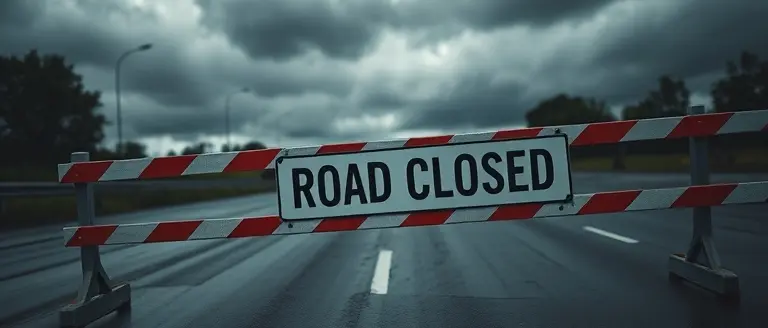
As the Capital District floods continue to impact local infrastructure, authorities have issued urgent warnings regarding travel safety across the region. Following the slow-moving storm system that struck on July 29, 2026, multiple arterial routes and secondary roadways have become impassable due to prolific rainfall and significant storm-water accumulation. Residents are strongly advised to avoid all non-essential travel in Rensselaer County and surrounding areas, where a formal state of emergency is currently in effect to prioritize search and rescue operations and essential maintenance.
Current Infrastructure Status and Safety Alerts
The combination of washed-out roadways and submerged underpasses has created a hazardous environment for commuters. Official reports indicate that several low-lying bridges and drainage systems have reached capacity, leading to dangerous flash flooding. To stay informed on the evolving situation, citizens should prioritize data from official municipal channels rather than social media speculation.
- Road Closures: Numerous local roads throughout Troy and the greater Rensselaer County area are experiencing temporary closures. Drivers are urged to observe all “Road Closed” signage and never attempt to traverse flooded pathways.
- Emergency Resources: For real-time updates regarding the Rensselaer County emergency status, visit the official county website or monitor local NY-DOT traffic alerts.
- Transit Disruptions: Public transportation services are subject to immediate delays and route adjustments. Verify your specific commute through local transit authority notifications before heading out.
The safety of the public remains the top priority as local crews work to stabilize critical infrastructure. Please monitor the NEWS10 ABC weather updates and the New York State Department of Transportation (NYSDOT) 511 system for the most accurate and verified mapping of safe travel routes. If you encounter flooded roads, turn around immediately; it takes only a few inches of water to compromise vehicle control during these extreme weather events.
Flash Flood Safety Protocol for Capital District Commuters

Navigating the Capital District floods requires strict adherence to safety protocols, especially for commuters traversing the vulnerable suburban infrastructure of Albany, Troy, and Rensselaer County. As slow-moving storm systems continue to impact our region, local motorists must prioritize the “Turn Around, Don’t Drown” mantra. Evidence from current meteorological reports indicates that water depth is often deceptive; even six inches of fast-moving water can reach the bottom of most passenger cars, potentially causing loss of control or engine stalling. If you encounter a roadway covered by water, do not attempt to drive through it. Instead, find an alternative route immediately, even if it adds significant time to your commute.
Essential Safety Measures and Reporting
When faced with severe weather, your priority must remain the preservation of life over arriving at your destination. Follow these critical steps to ensure your safety during Capital Region road closures 7/29:
- Avoid Submerged Roads: Never drive through standing water. If the road ahead is flooded, turn around and seek high ground.
- Monitor Official Channels: Keep tuned to the Rensselaer County emergency status updates and local municipal alerts via radio or official government social media pages for real-time evacuation route guidance.
- Report Local Hazards: If you observe washed-out roadways or impassable bridges, contact local emergency services or the Department of Public Works. Provide specific cross-streets and visual markers to help authorities deploy resources effectively.
- Turn on Headlights: Enhance your visibility to other drivers and emergency personnel, but avoid using high beams, which can reflect off the water and impair your own vision.
Always keep an emergency kit in your vehicle containing a flashlight, extra water, a mobile power bank, and a physical map of the area in case of cell tower outages. By staying informed and practicing extreme caution, Capital District residents can significantly reduce the risks posed by these dangerous, life-threatening flash flood conditions.
Emergency Contacts and Resources for Affected Residents

In the wake of the severe weather impacting the New York Capital Region, residents must prioritize safety and remain connected to official communications. With a state of emergency currently active in Rensselaer County due to the capital district floods, local authorities are urging the public to avoid travel on compromised roadways and to monitor verified channels for real-time updates regarding shelter availability and infrastructure repairs.
Essential Emergency Contacts
If you are facing a life-threatening situation or require immediate assistance, dial 911 immediately. For non-emergency inquiries regarding local road closures or to report structural damage to municipal property, please utilize the following resources:
- Rensselaer County Emergency Services: Contact the county dispatcher for specific updates on evacuation routes and emergency shelter locations.
- New York State Department of Transportation (NYSDOT): Check the 511NY website or mobile app for the most accurate, real-time data on Capital Region road closures 7/29.
- Local Utility Providers: Report downed power lines or gas leaks directly to your service provider. Do not approach or attempt to move any electrical lines submerged in water.
Filing Damage Reports and Recovery
As the slow-moving storm system subsides, documentation will be critical for insurance claims and potential state-level relief. Residents should document all property damage with clear photographs or video before attempting cleanup. Contact your insurance carrier as soon as possible to initiate the claims process. Furthermore, keep a detailed log of all emergency-related expenses, including temporary lodging or necessary cleanup supplies.
Residents are encouraged to check the official Rensselaer County government website for specific instructions on filing damage reports. By staying informed through official state and municipal portals, you ensure that you receive the most accurate information regarding available aid and public health guidance in the aftermath of these record-breaking storms. For ongoing updates, continue to monitor local weather broadcasts and the state emergency management alerts.
Restoring Your Home After the Storm
While staying updated on the current state of emergency and avoiding washed-out roads is vital for your immediate safety, it is equally important to prepare for the recovery phase that follows. Many residents in the Capital Region are already witnessing the structural toll this heavy rainfall has taken on their property. Taking swift, proactive measures to repair water-damaged fences, decks, and outdoor structures is the most effective way to prevent minor issues from becoming expensive, long-term liabilities.
You do not need to wait for overwhelmed contractors or navigate the post-storm demand surge to start your repairs. By having professional-grade technical plans at your fingertips, you can take control of your home’s recovery immediately. Our extensive library of over 16,000 professional woodworking plans acts as your ultimate emergency repair toolkit, empowering you to reinforce your property with professional precision and efficiency, even in the wake of unexpected disaster.
Accessing these blueprints allows you to bypass the uncertainty of typical construction delays and restore your home’s integrity on your own terms. Whether you need to build temporary barriers or completely rebuild storm-damaged outdoor assets, these plans provide the technical guidance necessary for a robust, DIY-friendly recovery. Don’t let your property remain vulnerable; arm yourself with the right resources to secure your home today.
 Access the comprehensive workshop plan library here to start your essential home repairs today.Yes, I Want to Start My Repairs Now!