
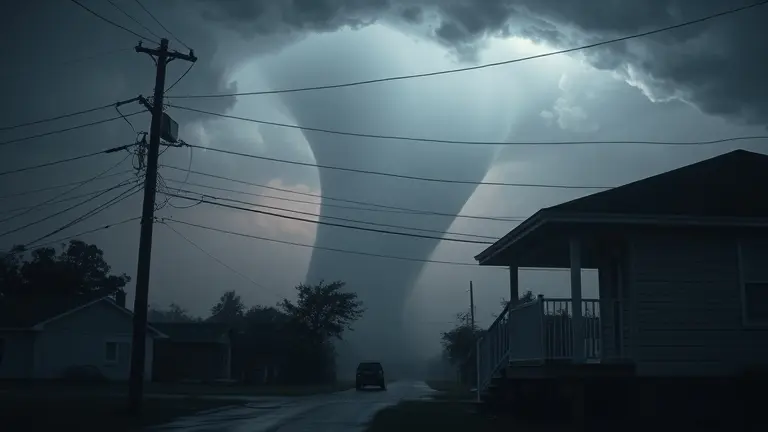
As severe weather outbreaks sweep across the nation today, from destructive storms in Wisconsin to widespread power outages across Maryland and New Jersey, millions are finding themselves under a urgent tornado warning. When the sirens sound and the sky turns ominous, your immediate priority is personal safety—moving to your basement or an interior room and staying away from windows. However, once the immediate threat passes, the reality of climate volatility often reveals structural vulnerabilities in our own homes that demand a swift and competent response.
Understanding the difference between a ‘watch’ and a ‘warning’ is the first step in effective emergency management, but being prepared means more than just tracking radar. It means having the knowledge to secure your property against the aftermath of high-wind events. Whether you are currently monitoring live updates or assessing damage from recent storms, this guide provides the vital synthesis of safety protocols and long-term home fortification strategies you need to keep your family and your property protected in an era of intensifying climate events.
Active Multi-Regional Severe Weather Outbreak: July 28, 2026
The United States is currently navigating a widespread, high-impact severe weather event as of July 28, 2026. A powerful storm system is moving across multiple regions, triggering urgent tornado warnings and threatening life and property across several states. Meteorologists and emergency management agencies are actively tracking these cells, noting that the intensity and speed of this outbreak represent a significant threat to residents in the path of these storms.
Regional Impact and Current Conditions
The situation remains fluid, with confirmed reports of destructive activity across the Midwest and the East Coast:
- Wisconsin: Authorities have documented a particularly aggressive tornado that remained on the ground for over 20 minutes, causing significant structural damage.
- Maryland: The storm front has caused widespread infrastructure failure, with at least 34,000 power outages reported as high winds and severe thunderstorms sweep through the region.
- New Jersey: Following a week of recurring extreme weather, parts of the state are once again under alert, forcing residents to remain in a state of high preparedness.
- Charlotte Region: Significant storm activity is currently impacting the area, with local authorities monitoring heavy hail and frequent cloud-to-ground lightning that accompanies the severe convective systems.
This multi-state outbreak is characterized by rapid development and high-stakes weather alerts that require immediate situational awareness. Residents in affected areas are urged to avoid travel and secure shelter immediately if a tornado warning is issued for their specific location. Because this is an evolving weather event, official data from the National Weather Service (NWS) should be treated as the primary source of truth. Please monitor your local emergency broadcast channels, weather radio, or trusted local news outlets for real-time updates and evacuation orders. Do not rely solely on third-party social media feeds, as conditions are changing on a minute-by-minute basis.
Emergency Safety Protocol: What to Do During a Tornado Warning

When the National Weather Service issues a tornado warning, it signifies that a tornado is either currently spotted by storm spotters or indicated by weather radar. This is a life-threatening situation that demands immediate action; you must cease all non-essential activities and prioritize your physical safety. Unlike a “tornado watch,” which indicates that conditions are favorable for storm development, a warning means the danger is imminent and you have little time to reach a secure location.
Immediate Actions for Personal Safety
If you receive an alert, follow these protocols instantly to mitigate the risk of injury from flying debris or structural collapse:
- Move to the Lowest Level: Go to the basement or the lowest level of your building. If a basement is unavailable, move to a small, windowless interior room, such as a closet, bathroom, or hallway on the lowest floor.
- Stay Away from Windows: Exterior glass is a significant hazard during high-wind events. Avoid all windows, doors, and outside walls to prevent injury from shattered glass and wind-blown projectiles.
- Protect Your Head: Use mattresses, heavy blankets, or sturdy furniture to cover yourself. If you have access to a bicycle helmet, wearing it can provide critical protection against head trauma caused by flying debris.
- Avoid Mobile Homes and Vehicles: Mobile homes are not safe during a tornado warning, regardless of tie-downs. If you are in a mobile home or a car, abandon it immediately and seek a sturdy, permanent building. If no such shelter is nearby, lie flat in a low-lying ditch or depression and cover your head with your hands.
Do not wait until you see the tornado to take cover. Seconds matter during these extreme climate events, and seeking shelter before the wind intensifies is the most effective way to survive a severe weather strike. Keep your phone charged and tuned to local news or a NOAA Weather Radio for live-updating information regarding the storm’s path.
Real-Time Tracking: Verified NWS Data and Status Updates

When a tornado warning is issued for your area, the speed and accuracy of the information you receive can be a matter of life and death. With widespread severe weather outbreaks currently impacting regions from Wisconsin to the Mid-Atlantic, it is critical to ignore unverified social media rumors. Panic-driven posts often spread misinformation, which can distract you from taking necessary safety precautions. Instead, prioritize official, government-backed channels to ensure you are receiving the most reliable data available.
How to Access Official NWS Information
To stay informed during active weather events, utilize these primary resources to track a tornado warning near you:
- Weather.gov: This is the primary portal for the National Weather Service. By entering your zip code, you can view hyper-local radar, active alerts, and specific bulletins issued by your local NWS forecast office.
- NOAA Weather Radio: Keep a dedicated battery-operated NOAA weather radio in your home. These devices provide 24/7 alerts that function even when cellular networks and power grids fail, which is particularly vital given the power outages recently reported in Maryland and other impacted states.
- Official Social Media: Follow the verified X (formerly Twitter) accounts of your local NWS office (typically identified by the blue verification checkmark and official government handles). These accounts provide the most immediate updates on storm rotation, hail size, and expected path.
- Wireless Emergency Alerts (WEA): Ensure your smartphone settings have “Emergency Alerts” turned on. These alerts are pushed directly to your device by the NWS when you are inside a polygon currently under a warning.
Verifying Data During Rapid-Fire Events
During a major outbreak, the situation can change in minutes. Avoid checking generalized weather apps that may be delayed; always cross-reference alerts with the official National Weather Service maps. If your area is under a tornado watch, prepare your emergency kit, but if a tornado warning is issued, do not wait for secondary confirmation. Seek shelter immediately in an interior room on the lowest floor of a sturdy building. Relying solely on official government data reduces the risk of confusion and ensures that your response is based on scientific meteorological assessment rather than hearsay.
Finding a Tornado Warning Near Me

In the event of severe weather, seconds matter. If you are searching for a tornado warning near me, your priority must be accessing real-time, hyper-local data verified by the National Weather Service (NWS). Relying on social media feeds alone can lead to dangerous delays or misinformation; instead, prioritize official channels. The most effective way to stay informed is through location-enabled weather applications—such as the FEMA app or local broadcast station apps—which push instant notifications based on your GPS coordinates. Ensure your device’s location services are set to “Always On” for weather-specific applications to guarantee you receive life-saving alerts even if the app is running in the background.
To ensure your mobile device is configured to receive emergency updates, verify that Wireless Emergency Alerts (WEA) are enabled in your phone’s system settings. These alerts bypass standard cellular congestion to deliver high-priority warnings directly to your screen.
How to Enable Emergency Alerts
- For iOS Devices: Navigate to Settings > Notifications. Scroll to the bottom of the list and ensure that both “Extreme Alerts” and “Severe Alerts” are toggled to the “On” position.
- For Android Devices: Open your Settings menu and search for “Emergency Alerts” or “Wireless Emergency Alerts.” Ensure all toggles for severe weather notifications are active. Note that specific menu pathways may vary slightly depending on your device manufacturer.
Beyond digital alerts, keep a battery-operated NOAA Weather Radio in your home, especially during multi-regional outbreaks like the ones seen in Wisconsin or Maryland. If the power grid fails, as witnessed in recent outages, these radios provide an uninterrupted stream of NWS broadcasts. If you hear a warning, move to a pre-designated interior room on the lowest floor of a sturdy building immediately. Do not wait for visual confirmation of a funnel; if the NWS issues a warning for your area, the threat is imminent and requires immediate sheltering action.
Build Resilience Before the Next Storm Hits
Staying informed during a tornado warning is only the first layer of defense; the second layer is the structural integrity of your home. The aftermath of these powerful storms often exposes critical weaknesses that, if left unaddressed, leave your property increasingly vulnerable to subsequent weather events. Proactive maintenance is no longer just a hobby; it is a vital component of disaster preparedness that every homeowner must prioritize to safeguard their biggest investment.
This is where having access to professional-grade resources becomes a game-changer. By equipping yourself with the right blueprints and technical instructions, you transition from a passive observer of climate alerts to a capable defender of your own home. Whether you need to reinforce entry points, build secure storage for your emergency supply kits, or conduct rapid structural repairs after a gust, having a reliable library of 16,000 precision-tested plans ensures you can act with confidence and accuracy when it matters most.
Don’t wait for the next siren to realize your home isn’t ready. Take control of your property’s safety today by utilizing the same technical specifications relied upon by professional builders. This is your toolkit for transforming theoretical safety advice into physical, lasting home reinforcement that stands up to the challenges of our changing climate.
 Download these verified, professional-grade building plans now to ensure your home is reinforced and prepared for any climate challenge.Secure My Home Reinforcement Plans Now!