

On July 28, 2026, a powerful 7.1 magnitude earthquake struck the Kumamoto region of Kyushu, Japan, late in the afternoon, triggering immediate concerns regarding tsunami risks and structural integrity across the prefecture. As seismic aftershocks continue to rattle the region and local infrastructure undergoes critical safety assessments, the situation remains fluid. Official bulletins from the Japan Meteorological Agency (JMA) are being updated continuously to ensure that residents and travelers have the most accurate guidance for immediate safety and evacuation procedures.
This report serves as a live, centralized resource for verified information, aiming to cut through the noise of fragmented reports and speculative rumors. In these high-pressure moments, your ability to process emergency updates quickly and calmly is not just a convenience—it is a vital safety asset. Our mission here is to provide clear, actionable data to help you navigate the coming hours with the clarity and focus required to make informed decisions for yourself and your loved ones.
Breaking News: Magnitude 7.1 Earthquake Hits Kumamoto

On Tuesday, July 28, 2026, a powerful earthquake in Japan struck the Kumamoto region, triggering widespread alarm across the island of Kyushu. The seismic event, which occurred late Tuesday afternoon, was initially recorded with a preliminary magnitude of 7.1, though subsequent data re-evaluations from various monitoring agencies have placed the intensity closer to 6.8. This significant kumamoto earthquake prompted the Japan Meteorological Agency (JMA) to issue immediate tsunami advisories for coastal areas, urging residents to seek higher ground and distance themselves from the shoreline to prevent potential loss of life.
Current Situation and Official Response
In the immediate aftermath of the japan earthquake 2026, Prime Minister Sanae Takaichi addressed the nation to coordinate the emergency response. The government is currently prioritizing the safety of residents as assessments of the region continue. Official reports indicate that the tremors caused significant infrastructure disruptions, including widespread power outages and reports of structural damage, such as building collapses in the most heavily affected zones.
Key details regarding the incident currently include:
- Seismic Data: Initial readings of 7.1 magnitude have been revised by some sources to 6.8, highlighting the evolving nature of seismic data in the hours following the event.
- Safety Protocols: Authorities have deployed search and rescue teams to survey areas where building collapses were reported.
- Tsunami Risk: Coastal residents remain under alert status; all local emergency management instructions are being disseminated via official JMA channels.
- Casualty Assessment: While Prime Minister Sanae Takaichi has confirmed that officials are actively assessing injuries, verified figures remain pending as rescue efforts progress in the hardest-hit sectors.
The situation remains fluid, and international travelers or local residents are advised to stay tuned to official government broadcasts rather than relying on unverified social media reports. Emergency services are working to restore electricity and ensure that the most vulnerable populations receive necessary aid during this critical recovery phase.
Tsunami Advisories and Coastal Safety Updates
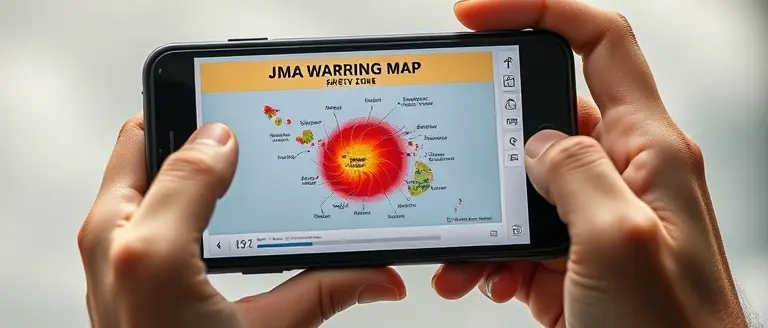
Following the Kumamoto earthquake on July 28, 2026, the Japan Meteorological Agency (JMA) issued immediate tsunami advisories for coastal regions across Kyushu. Given the seismic magnitude—recorded between 6.8 and 7.1—the primary concern for residents and travelers is the potential for rapid water displacement along the coastline. These alerts are critical safety measures intended to provide sufficient lead time for evacuation, as even smaller tsunami waves can generate powerful currents capable of sweeping individuals out to sea and causing significant damage to coastal infrastructure. Official protocols dictate that these advisories remain in effect until the JMA conducts a thorough assessment of tidal data and confirms that the risk of seismic sea waves has subsided.
Essential Coastal Safety Procedures
If you are located in the affected Kyushu region, prioritize the following actions to ensure personal safety during this ongoing earthquake in Japan:
- Evacuate Immediately: If you are near the shore and feel a tremor, or if a tsunami advisory is issued, move to high ground or a designated, reinforced concrete building at least three stories high. Do not wait for visual confirmation of a wave.
- Monitor Official JMA Alerts: Rely solely on official JMA updates or trusted local emergency channels. Avoid misinformation spreading on social media, which may conflate the 2026 event with previous seismic history.
- Avoid Coastal Areas: Even after the initial shaking stops, do not return to beaches or harbor areas. Tsunami risks often involve multiple waves, with the second or third surges frequently being larger and more dangerous than the first.
- Stay Informed: Keep an emergency radio or smartphone with battery power ready for evacuation orders from local authorities, who are managing the situation as part of the broader response to this japan earthquake 2026.
The current Kumamoto situation requires constant vigilance. Authorities emphasize that coastal residents should maintain distance from the water until local municipal governments issue an “all-clear” signal. By adhering to these JMA guidelines, you significantly reduce the risk of injury during this high-stakes period.
Live Updates: Situation Report and Emergency Response
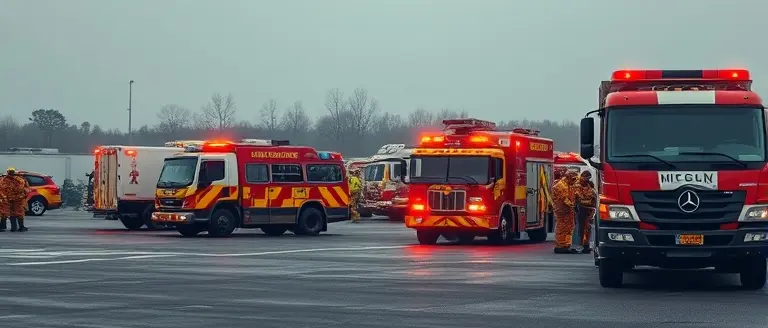
The seismic event that struck the Kumamoto region on July 28, 2026, continues to evolve as emergency services manage the aftermath of the earthquake in Japan. Preliminary seismic data from the Japan Meteorological Agency (JMA) and international monitoring stations initially recorded the event between a magnitude of 6.8 and 7.1. Due to the high intensity of the shaking, officials immediately issued a tsunami advisory for coastal Kyushu, urging residents in low-lying areas to evacuate to higher ground. Prime Minister Sanae Takaichi has mobilized disaster response teams to coordinate rescue efforts, though assessments regarding structural damage and casualties remain ongoing. As this Japan earthquake 2026 incident progresses, authorities are prioritizing the verification of data to ensure public safety.
Current Status and Emergency Protocols
To maintain clarity during this unfolding situation, the following points summarize the current operational status for the affected regions:
- Seismic Status: Monitoring agencies are tracking significant aftershocks following the initial kumamoto earthquake. Residents are strongly advised to remain alert and avoid damaged infrastructure.
- Tsunami Risks: While initial advisories were widespread, users should continue monitoring official JMA broadcasts for localized lift-orders or cancellations. Do not return to coastal areas until local authorities confirm it is safe.
- Infrastructure and Transit: Reports indicate localized power outages and structural collapses. Rail services and major highways in Kyushu are currently undergoing safety inspections; expect significant travel delays and service suspensions.
- Communication: Emergency services are currently overwhelmed with inquiries. Residents are encouraged to use the “J-Alert” system and official government social media channels for real-time updates rather than relying on unverified social media rumors.
The primary focus remains on search-and-rescue operations. Prime Minister Takaichi has stated that personnel are working to reach isolated communities, though the scale of the earthquake japan event necessitates a cautious, phased response. Travelers in the area should contact their respective embassies and follow instructions provided by local municipal offices regarding designated evacuation centers.
Safety Guidelines: What to Do During Aftershocks

In the wake of the recent Kumamoto earthquake, geological experts warn that seismic activity often remains volatile, with aftershocks posing a significant risk to those in the Kyushu region. Following the Japan earthquake 2026 event, residents and travelers must prioritize immediate protective measures to ensure personal safety. If you feel shaking, execute the “Drop, Cover, and Hold On” protocol: drop to the ground, take cover under a sturdy desk or table to shield yourself from falling debris, and hold on until the shaking stops. If you are outdoors, move away from buildings, streetlights, and utility poles toward an open area.
Essential Emergency Procedures
When an earthquake in Japan triggers an advisory, staying informed is as critical as physical protection. If you are near coastal areas, remain vigilant regarding tsunami warnings issued by the Japan Meteorological Agency (JMA). Do not wait for visual confirmation of rising water; move to high ground or designated vertical evacuation buildings immediately.
- Communication: Dial 119 for fire and ambulance services, and 110 for police assistance. Keep your mobile device charged and use the “Safety Tips” app provided by the Japan Tourism Agency for real-time alerts.
- Evacuation: Identify the nearest designated shelter by checking local municipal websites or following signs marked with the evacuation symbol.
- Infrastructure Hazards: Stay away from damaged buildings and bridges. Be aware that gas leaks and electrical fires are common after a significant seismic event; if you smell gas, turn off the main valve if it is safe to do so.
- Stay Informed: Follow official channels, such as NHK World-Japan, to receive verified updates, as misinformation can spread rapidly during a crisis.
By preparing a “go-bag” with essentials—water, non-perishable food, a flashlight, and a portable power bank—you can better navigate the uncertainty following a kumamoto seismic event. Always prioritize the instructions of local authorities and emergency responders, as they have the most accurate situational data regarding road closures and structural integrity in your immediate vicinity.
Maintaining Mental Clarity During Emergency Monitoring
As we continue to monitor the aftermath of the Kumamoto earthquake, it is essential to recognize the toll that constant vigilance and crisis-tracking take on your cognitive resources. The overwhelming influx of rapid-fire news, coupled with the inherent anxiety of potential aftershocks, often leads to mental fatigue and “information paralysis,” which can hinder your ability to act decisively when safety instructions are issued.
In the midst of tracking rapidly changing updates and aftershocks, maintaining your cognitive clarity is vital for making sound safety decisions. Many of our readers are currently using specialized auditory patterns to ground themselves and reduce the mental fog caused by constant crisis monitoring. This isn’t just about relaxation; it is a cognitive emergency tool designed to help you stay composed, alert, and capable of processing critical safety information when it matters most.
By engaging with a proven 12-minute grounding routine, you can quickly restore your mental focus and reduce stress-induced cognitive impairment. We have integrated this tool to ensure that while you stay informed through our live updates, you also have the physiological support necessary to remain calm under pressure. This brief, non-invasive auditory intervention is specifically designed to help you regain your composure so you can navigate this emergency with the mental bandwidth you need to stay safe.
 Regain your calm and mental clarity during this emergency; access the 12-minute auditory routine here.Yes, I Need To Focus Now!